
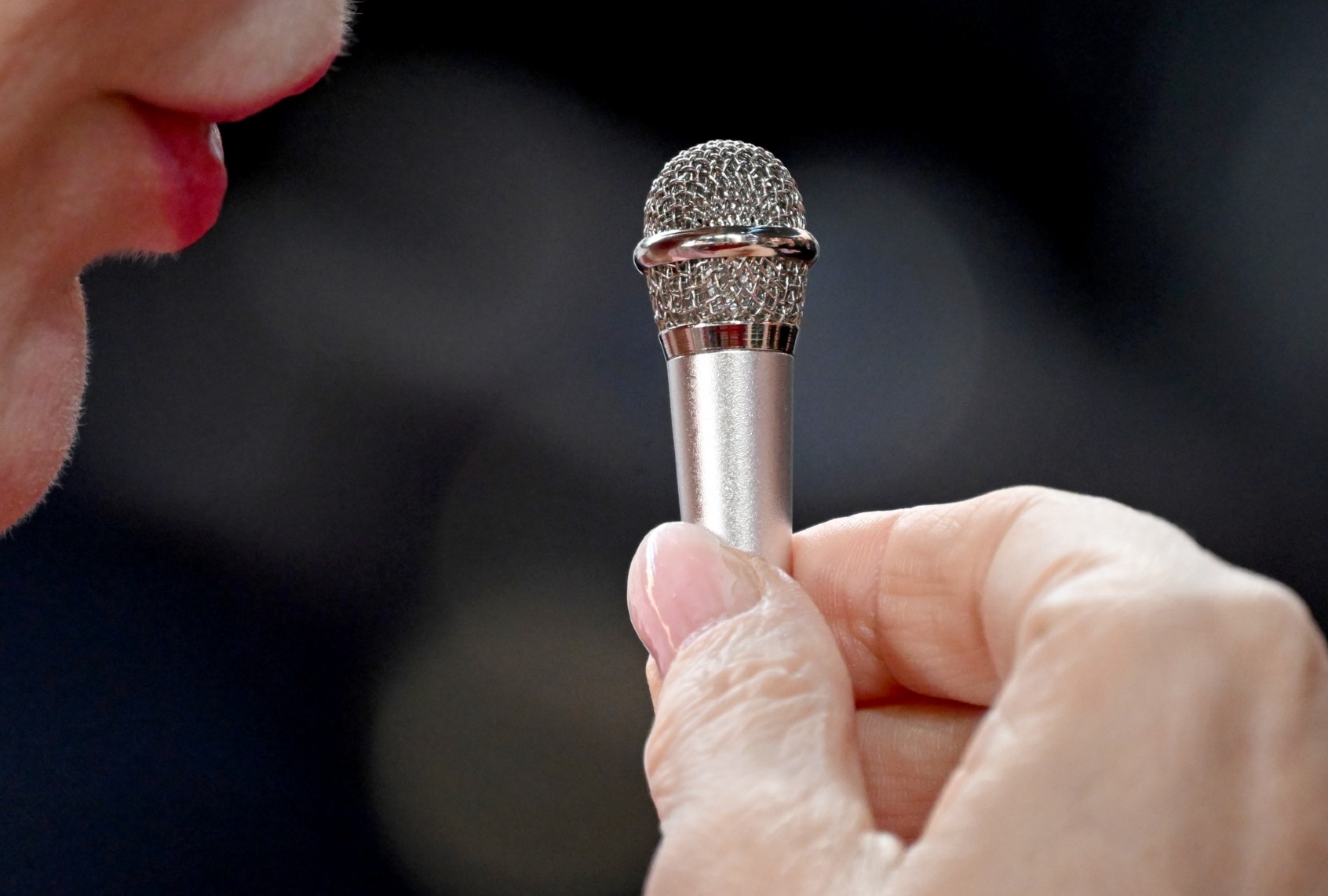
The use of tiny microphones during red carpet events has become a contentious topic among film industry insiders and fans alike. These diminutive devices, often wielded by interviewers, have garnered criticism for overshadowing the actual interviews and reducing meaningful dialogue to trivial questions. This shift highlights a broader trend towards sensationalism in celebrity culture.
As actors prepare to showcase their latest work, the presence of tiny microphones has increasingly become a staple on the red carpet. While these gadgets serve a functional purpose in capturing audio, they also attract attention away from the performer’s craft. Many actors, including the esteemed Julia Roberts, have been spotted holding these diminutive devices, raising eyebrows about the professionalism of such a presentation. The expectation for actors to engage with trivial questions, such as which cast member they would choose for a deserted island, detracts from the serious nature of their artistic contributions.
The trend is not confined to Hollywood. It has permeated various cultural spaces, from college campuses to social media platforms. In a recent informal study, it was noted that individuals scrolling through social media often report feelings of anxiety when confronted with content featuring these microphones. The prevalence of tiny microphones not only trivializes the art of filmmaking but also promotes a culture of superficiality.
Red Carpet Realities: The Impact of Tiny Tech
During recent film premieres, celebrities have been subjected to a barrage of questions that often lack depth. An incident involving Emily Blunt at a prominent event illustrates this point. Blunt expressed her disdain for the trend, describing the microphones as “weird,” a sentiment that resonates with many fans and critics who believe it diminishes the dignity of the red carpet experience.
The consequences of these small devices extend beyond the red carpet. As more influencers and content creators adopt similar styles for their social media interactions, the line between genuine engagement and performance becomes increasingly blurred. This phenomenon raises questions about the overall impact on audience expectations and the nature of celebrity.
The use of tiny microphones has become emblematic of a more significant issue within the entertainment industry. The pressure to deliver quick, catchy sound bites often overshadows the nuanced discussions that artists wish to have about their work. This trend not only affects the quality of interviews but also encourages a focus on sensationalism rather than substance.
The Bigger Picture: Consumer Culture and Its Effects
The rise of merchandise tied to films, such as the “Marty Supreme” jackets promoted by actor Timothée Chalamet, further illustrates the intersection of celebrity culture and consumerism. These jackets, which were highly sought after during promotional events, have become symbols of fleeting status rather than lasting value. Fans lined up for hours to purchase these items, often at prices exceeding $250, reflecting a broader trend of hyper-consumerism in the film industry.
Additionally, the phenomenon of novelty popcorn buckets and unnecessary post-credits scenes in films has led to a lack of authenticity in storytelling. Viewers are often left wondering if the focus on merchandise and gimmicks detracts from the actual artistry of filmmaking. This cycle of consumerism feeds into the desire for more extravagant promotional tactics, sidelining the core purpose of cinema.
As the film industry navigates these challenges, it remains essential for both creators and audiences to advocate for more meaningful interactions. Moving away from the distractions of tiny microphones and gimmicky merchandise could pave the way for a more enriching cinematic experience.
In conclusion, the impact of tiny microphones on the red carpet symbolizes a broader cultural shift within the entertainment industry. As actors and audiences navigate this landscape, the call for authenticity and meaningful engagement remains paramount. The question now is whether the industry will prioritize substance over spectacle in the years to come.