
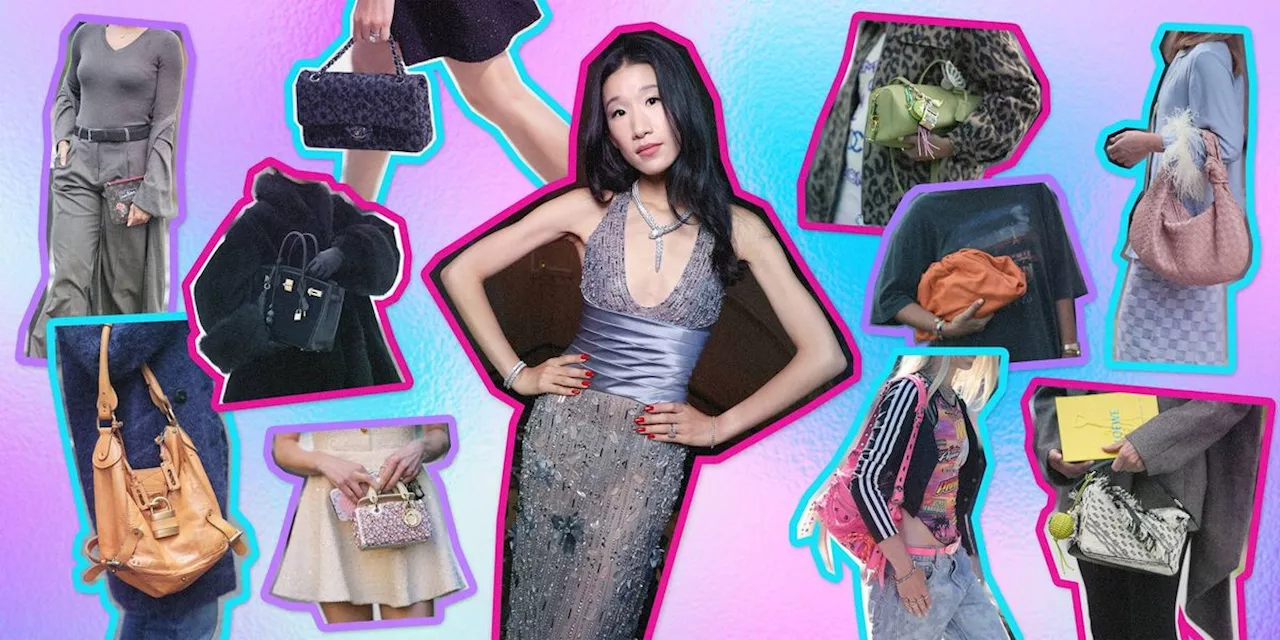
The rise of luxury influencers on social media has opened a window into the opulent lifestyles of the wealthy, but recent scrutiny highlights the potential fallout of such visibility. Notably, TikTok star Becca Bloom, often hailed as the queen of #RichTok, faces significant backlash for her ostentatious displays of wealth amid growing economic inequality.
Bloom, who commands millions of followers, has drawn criticism for showcasing lavish meals, such as her cat’s breakfast of caviar and quail eggs, served on Christofle dinnerware. As the divide between the affluent and the average citizen widens, many users question the appropriateness of such content, especially in a time when income inequality is prominently discussed.
Luxury Lifestyle vs. Economic Reality
The discontent surrounding luxury influencers is not a new phenomenon. Sociologist Thorstein Veblen introduced the concept of “conspicuous consumption” in the late 19th century, illustrating how the wealthy use visible displays of wealth to assert social status. This model remains relevant today, with TikTok users often caught in a cycle of aspiration and consumption fostered by influencers like Bloom.
In recent months, critiques of Bloom’s content have surged, with users expressing frustration over her apparent disconnect from the realities faced by many. While she has enjoyed a meteoric rise to fame through her content, the backlash suggests a shift in audience sentiment, as followers begin to reassess the value of such displays.
The expectation that luxurious consumption equates to social power can lead to increased pressure on individuals to emulate these lifestyles. This often results in heightened anxiety and, paradoxically, a greater reliance on inexpensive imitations of luxury goods. Reports indicate that rising economic inequality correlates with a surge in online searches for luxury items, suggesting a complex relationship between aspiration and discontent.
Shifts in Consumer Behavior
Despite the allure of luxury brands, recent trends indicate a growing preference for mid-tier and entry-level luxury items. Brands such as Coach, Brahmin, and Kurt Geiger have gained popularity as creators and consumers alike navigate their identities in relation to wealth and status. Content creators increasingly highlight these more accessible brands, which might signal a movement away from the relentless pursuit of high-end luxury.
For instance, TikTok creator Autumn Frager garnered attention for her relatable content, which included a straightforward shopping trip for a Brahmin bag. This approach stands in stark contrast to the hyper-consumptive habits exhibited by influencers like Bloom. As creators pivot towards more attainable fashion choices, it raises questions about the sustainability of the luxury influencer model.
While the desire to portray wealth continues to drive engagement on platforms like TikTok, many creators are beginning to realize the drawbacks of such emulation. The promise of status through imitation often falls short, leading to feelings of inadequacy and financial strain.
As economic realities shift, it remains to be seen how influencers like Bloom will adapt. The public’s appetite for luxury content may dwindle as awareness of economic disparities grows. The backlash against #RichTok influencers suggests that consumers are increasingly seeking authenticity and relatability in the content they engage with.
In conclusion, while the world of luxury influencers may be captivating, the current economic climate demands a reevaluation of these displays. As followers question the relevance of such ostentation, influencers must navigate a delicate balance between aspiration and responsibility. The landscape of social media is evolving, and the future of #RichTok may hinge on its ability to resonate with a more conscientious audience.