
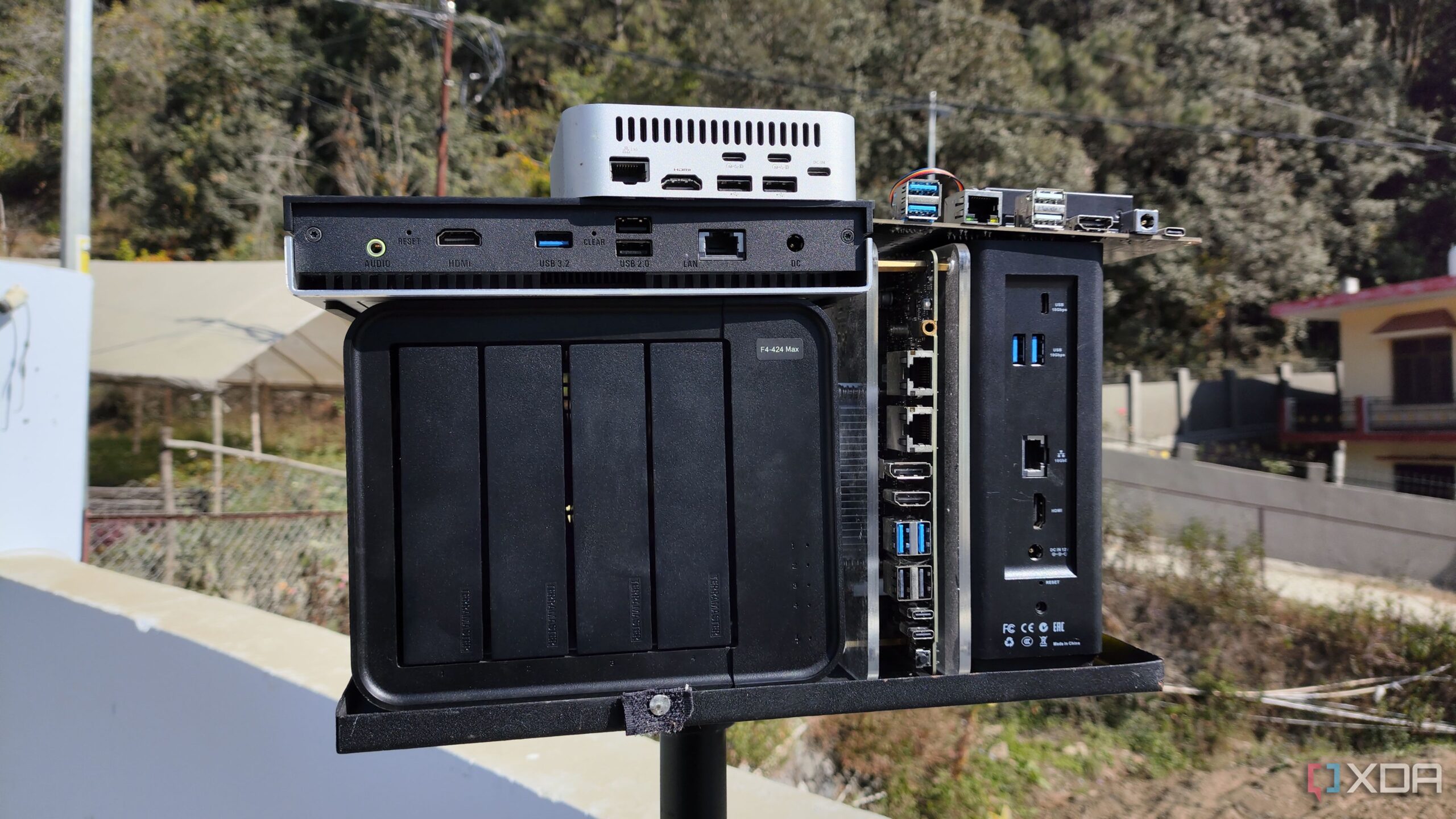
UPDATE: Thin clients are rapidly emerging as the most underrated hardware for home labs, shifting perceptions in the tech community. These devices, often misunderstood as underpowered PCs, are proving to be essential tools for DIY tech enthusiasts looking to optimize their setups.
Thin clients, which resemble small PCs, are typically designed to serve as access points rather than standalone computers. Latest reports from October 2023 confirm that when users embrace their intended purpose—facilitating access to more powerful systems—thin clients shine in functionality.
The urgency to adopt thin clients is clear: they offer a quiet, energy-efficient solution for running applications and services without the clutter of traditional desktops. With modest CPUs and limited storage, they are perfect for home lab environments, where stability and low power consumption are crucial. As many tech enthusiasts are seeking ways to enhance their home setups, the potential for thin clients is becoming increasingly relevant.
Users often misjudge thin clients by loading them with full desktop environments, leading to disappointing performance. However, when these devices are utilized correctly—primarily as gateways to virtual machines (VMs), containers, and services—they become reliable access points that increase efficiency without the need for constant maintenance.
“Thin clients are designed to behave predictably, making them ideal for home labs,”
states a tech analyst specializing in home computing. Their simplicity allows users to focus on managing services and data, rather than troubleshooting hardware issues.
In practical terms, a single host can support multiple thin client stations, transforming any home space into a versatile lab environment. The devices are particularly effective for tasks such as remote desktops, admin terminals, and dashboards. Tech enthusiasts who have integrated systems like Proxmox and Kubernetes into their workflows find that thin clients seamlessly fit into their existing setups.
As the demand for affordable and efficient computing solutions grows, the potential of thin clients is being recognized beyond their initial roles. Many modern thin clients possess excess capabilities that can be harnessed for lightweight services, making them suitable for applications like Kubernetes nodes and automation tasks.
However, the success of thin clients hinges on a stable backend. Users must ensure that their host systems are robust enough to handle the workloads, as a weak host can lead to frustrating experiences. A wired Ethernet connection is recommended for optimal performance, especially for daily use.
This shift in understanding is prompting many in the tech community to reassess their hardware choices. Thin clients provide a compelling alternative to more traditional mini PCs, which often require more power and maintenance. In contrast, thin clients operate quietly and are energy-efficient, significantly reducing electricity costs over time.
As home lab enthusiasts continue to explore innovative solutions, thin clients are moving from the sidelines to center stage. Their ability to operate effectively while consuming minimal resources makes them an invaluable asset for anyone looking to build a powerful, sustainable home lab.
The excitement surrounding thin clients is palpable, with many users sharing their positive experiences on social media platforms. The message is clear: these devices are not just functional; they are a smart investment for the future of home computing.
For those considering an upgrade or expansion of their home labs, now is the time to explore the capabilities of thin clients. Their potential to transform computing environments is just beginning to be realized, and the tech community is eager to embrace this shift.
Stay tuned for more updates as the thin client revolution continues to gain momentum in the home lab space.