
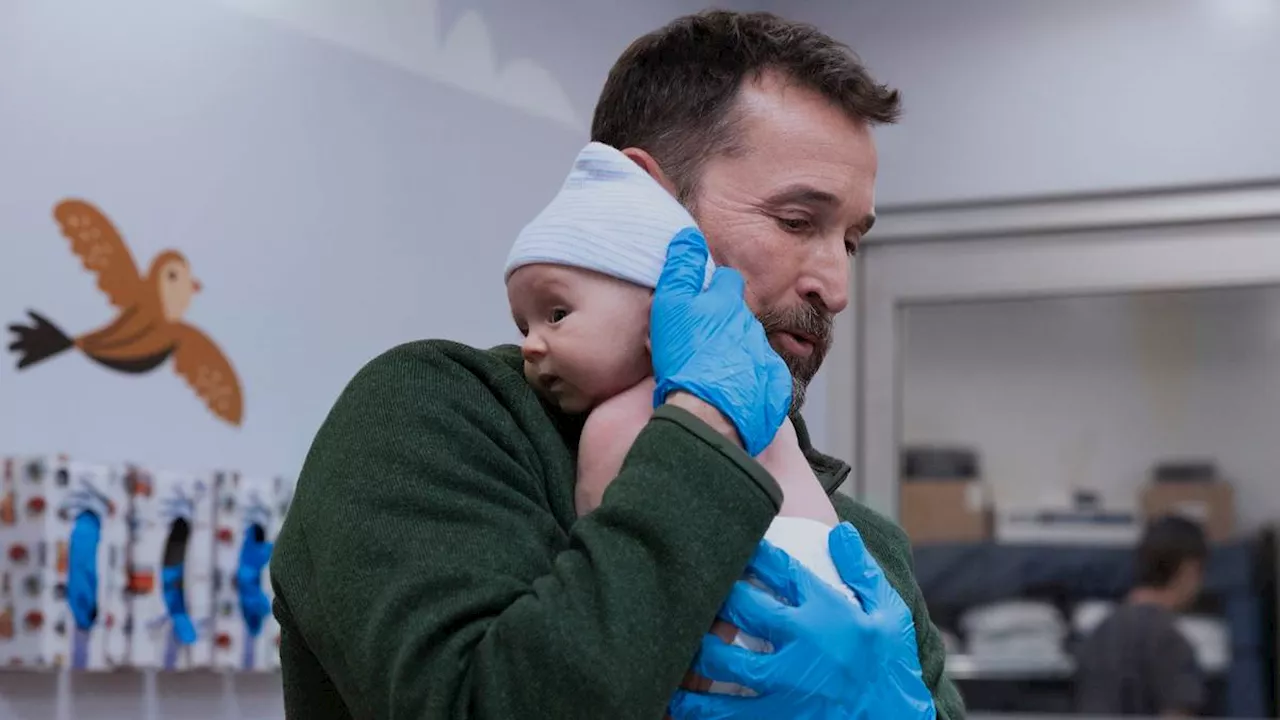
HBO’s critically acclaimed medical drama, The Pitt, makes its highly anticipated return with Season 2, premiering on January 9, 2025. Following a successful debut season that captivated audiences and garnered praise from medical professionals, the series continues to explore the challenges faced by healthcare workers in a high-stakes environment. This season shifts its focus from a mass casualty event to the complexities of a busy July 4th in the emergency room.
New Dynamics and Challenges in the ER
Season 2 unfolds over the course of a single day, featuring both returning and new characters. Dr. Robby, portrayed by Noah Wyle, prepares for a sabbatical, embarking on a motorcycle journey across the country. His departure sets the stage for a clash with Dr. Baran Al-Hashimi, the new attending physician who brings a different perspective to medical practice.
The season introduces new medical students, Joy and James, as well as a recently graduated nurse, Emma. The interactions among the characters create a dynamic atmosphere, particularly the intense rivalry between Robby and Al-Hashimi, which highlights differing philosophies in patient care. As the two navigate their professional relationship, viewers are encouraged to reconsider the boundaries of medical expertise.
Amidst the holiday festivities, the hospital faces unexpected challenges, such as an influx of patients and a sudden technological breakdown that forces staff to revert to traditional methods of record-keeping. This shift serves as a commentary on the reliance on technology in modern medicine, emphasizing the irreplaceable value of human experience.
Realism and Raw Emotion Drive the Narrative
The Pitt’s unflinching portrayal of medical emergencies remains a hallmark of its storytelling. Critics and audiences alike have noted the series’ graphic depictions of trauma, which continue in Season 2. From visceral surgical scenes to the raw emotional experiences of patients, the show does not shy away from the harsh realities of healthcare. A particularly poignant storyline involves a survivor of sexual assault, allowing for a deep exploration of character and the impact of trauma.
While some viewers may be drawn to the show for its intense drama, it is the authenticity of the characters and their relationships that resonates most. The series avoids traditional medical drama clichés, focusing instead on the realities faced by healthcare workers and the diverse backgrounds of their patients. This approach ensures that each episode remains grounded in real-world issues, from healthcare disparities to the challenges of navigating personal relationships within the high-pressure environment of an emergency room.
As the season progresses, the stakes feel higher, with the uncertainty of each character’s future adding an element of suspense. Unlike typical formats where characters remain static, The Pitt embraces change, capturing the fleeting nature of life in the medical field. This not only heightens the emotional weight of each episode but also ensures that audiences remain engaged with the evolving storylines.
Staying True to Its Roots
For fans of the first season, The Pitt Season 2 delivers a familiar yet fresh experience. The series continues to prioritize character development and emotional depth over sensational plot twists. While some episodes may feel slower than others, the commitment to authenticity ensures that the show remains compelling.
In a landscape where many medical dramas lean on dramatic visual spectacles, The Pitt chooses to focus on the heart of its narrative—the people behind the medicine. As the series moves forward, it appears poised to maintain its reputation as a standout in the genre, emphasizing the importance of human connection in healthcare.
Overall, The Pitt Season 2 builds upon the strengths of its predecessor, offering a blend of medical realism and emotional storytelling that captivates audiences worldwide. As viewers tune in to the challenges and triumphs within the Pittsburgh Trauma Medical Center, they are reminded of the profound impact that healthcare workers have on the lives of their patients.