
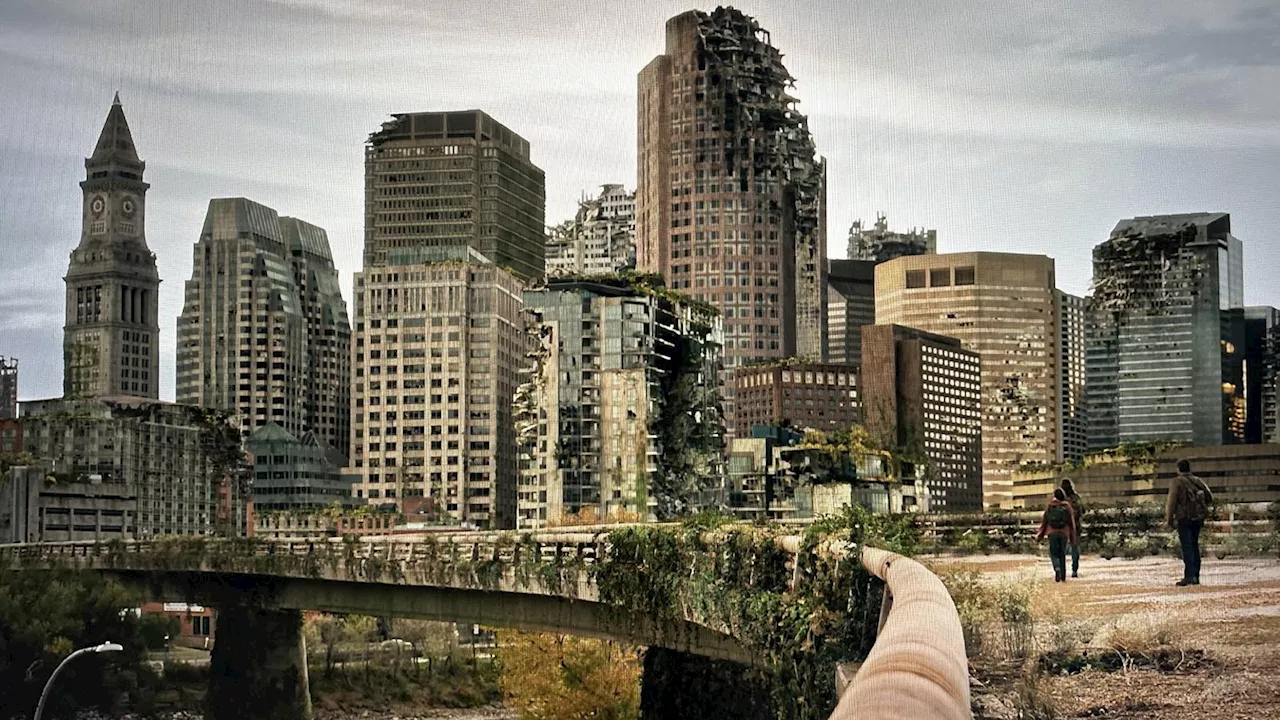
The world of post-apocalyptic television has seen significant evolution, with numerous series exploring the depths of human resilience and despair. Among these, *The Walking Dead* remains a key title, recognized for its groundbreaking opening scene that has left an indelible mark on the genre. This iconic moment serves as a stark reminder of the brutality and moral complexities faced by characters in a world overrun by the undead.
Defining the Genre with a Pioneering Opening
Premiering on October 31, 2010, *The Walking Dead* was adapted from the comic book series created by Robert Kirkman. Directed by Frank Darabont, known for his previous work on *The Shawshank Redemption*, the series opener, titled “Days Gone By,” quickly captured the attention of audiences and critics alike. It became the most-watched series premiere in AMC history at that time, showcasing a gripping narrative that set the tone for the series.
The episode begins in media res, with protagonist Rick Grimes, portrayed by Andrew Lincoln, navigating a desolate landscape. Rather than starting with a conventional awakening from a coma, the pilot introduces viewers to a chilling encounter in an abandoned gas station. Here, Rick encounters a little girl holding a teddy bear, only to find she is a zombie. This shocking twist not only establishes the dire circumstances of the world but also compels viewers to reassess their understanding of morality in such a setting.
A Risky Narrative Choice
The decision to have Rick shoot a child—albeit a zombie—was a bold move for television. Child harm is a significant taboo, and presenting this act so early on was a calculated risk that paid off by highlighting the show’s willingness to confront difficult themes. The brutality of the scene effectively communicates that *The Walking Dead* aims to explore the darker aspects of humanity, rather than shying away from them.
This risk resonated with viewers, who were drawn into Rick’s complex character. As the series progressed, it became clear that Rick was not a straightforward hero; instead, he operated under a new set of ethical principles shaped by the apocalypse. The initial scene set a precedent for the series, signaling that it would not shy away from challenging the audience’s expectations.
While the first season maintained this intense edge, the series’ longevity posed challenges. Over time, *The Walking Dead* struggled to balance its initial promise with audience expectations. As the narrative expanded, some characters became indispensable, leading to a reluctance to portray necessary deaths that would have heightened the stakes. Conversely, later seasons included controversial deaths that appeared designed solely for shock value, undermining the depth established in earlier episodes.
Despite these struggles, the opening scene of *The Walking Dead* remains a masterclass in storytelling. It encapsulates the essence of the series and has influenced subsequent post-apocalyptic narratives, including HBO’s *The Last of Us*, which has also garnered critical acclaim.
As the genre continues to evolve, *The Walking Dead* stands as a touchstone, illustrating both the potential for profound character exploration and the pitfalls of extended storytelling. The series may have lost some of its initial momentum over the years, but its opening scene will undoubtedly remain a defining moment in the history of post-apocalyptic television.