
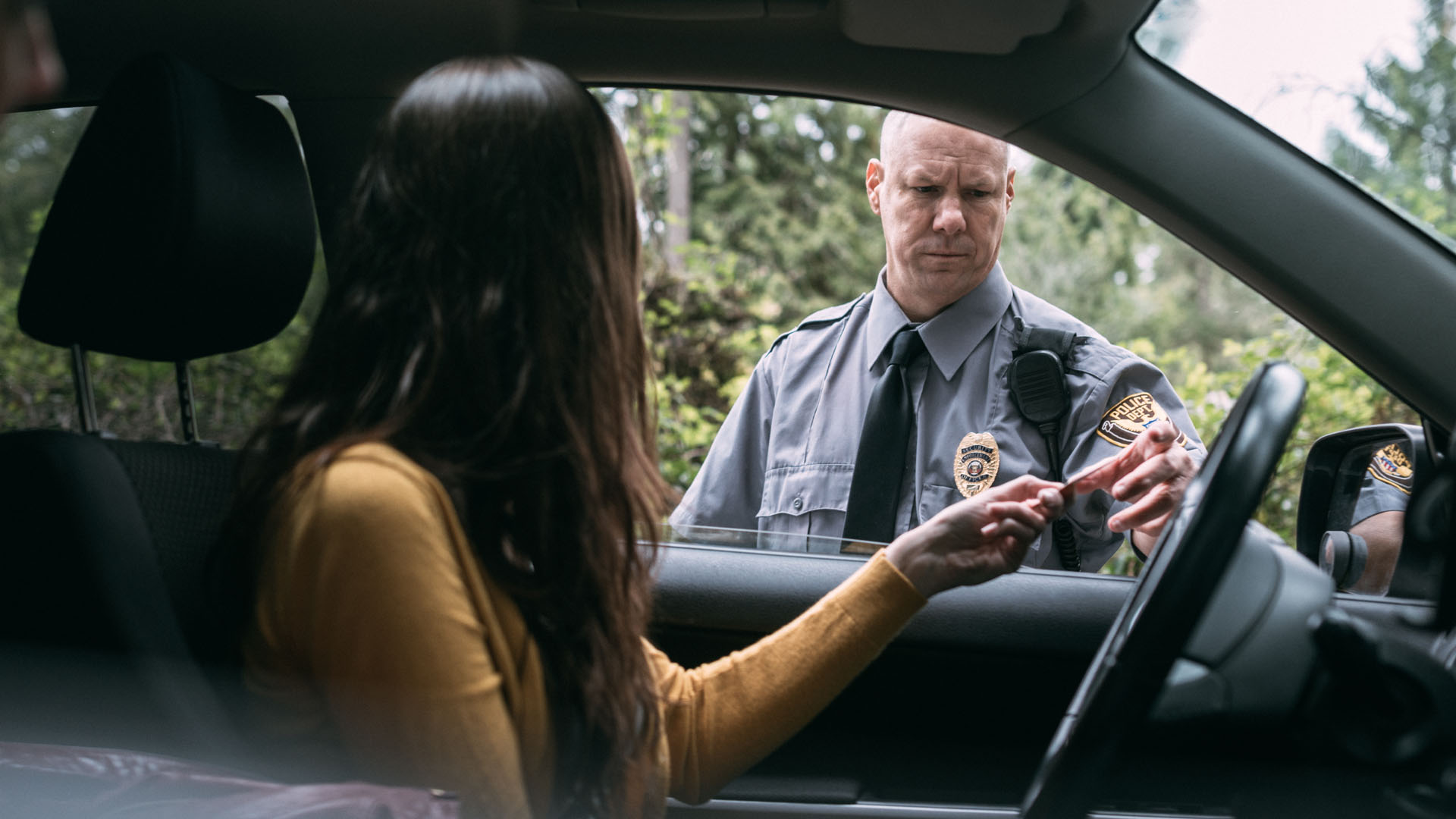
UPDATE: A sweeping policy change in Texas is poised to strip hundreds of thousands of drivers from the roads. Effective immediately, the Texas Department of Motor Vehicles now requires proof of legal status to register or renew vehicle registrations, directly impacting both undocumented immigrants and legal U.S. citizens.
On November 18, 2023, the new rule was officially announced following a push from State Representative Brian Harrison, who called for an end to vehicle registrations for undocumented individuals via his social media. Harrison’s advocacy has ignited a controversial debate as it is estimated that around two million undocumented immigrants reside in Texas, including over 600,000 in Harris County and 100,000 in Bexar County.
The new requirements stipulate that vehicle owners must present a valid Texas driver’s license, unexpired U.S. passport, or a foreign passport accompanied by a visa or a U.S. Department of Homeland Security (DHS) stamp confirming lawful entry into the country. Previously, the DMV allowed the use of state-issued licenses or passports expired within the last 12 months, but this leniency is now terminated.
Local officials are already expressing concerns about the implications of this policy. Albert Uresti, the Tax Assessor-Collector for Bexar County, remarked, “It’s going to be a big change.” He noted that residents might face a wait of up to six months to renew their driver’s licenses, which could leave many without the ability to legally operate a vehicle.
The immediate effect of this policy shift is significant. Motorists who do not have current documentation risk losing their driving privileges, potentially leading to increased road safety issues and personal hardships for families relying on vehicles for daily commutes and responsibilities.
Moreover, the financial repercussions could be severe. Vehicle registration fees help fund local and state budgets, and a decrease in registrations could threaten vital tax revenue streams. Uresti has acknowledged the potential loss but remains committed to assisting residents regardless of their immigration status. “Come in without any kind of hesitation or any kind of fear of being turned in,” he urged, emphasizing that Bexar County will support individuals through the registration process.
As this policy unfolds, many are left wondering how it will reshape transportation norms in Texas and what measures will be taken to accommodate those caught in the transition. Residents and advocates are closely monitoring the situation, anticipating further developments.
Stay tuned for updates on how this significant change will affect daily life in Texas and the broader implications for immigration policy.