
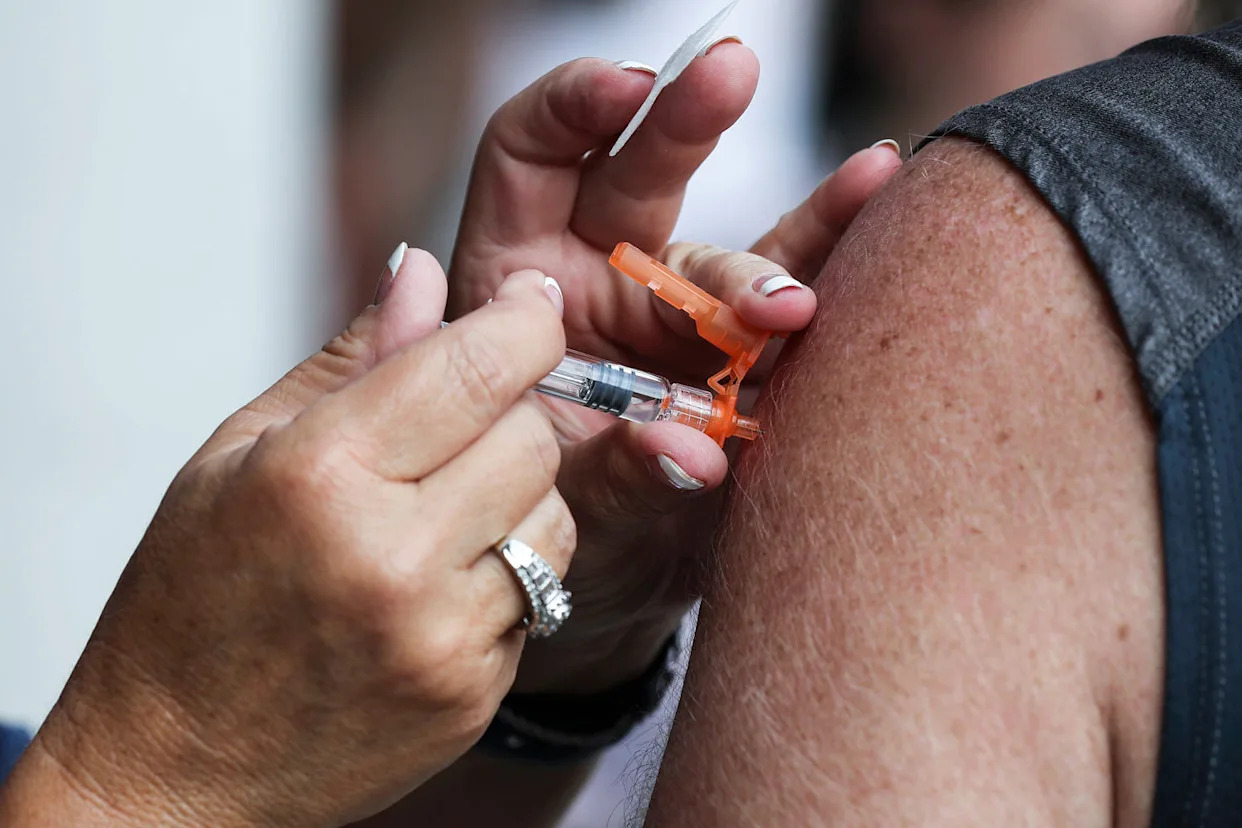
Recent data has revealed an alarming rise in tetanus cases in the United States, coinciding with a decline in vaccination rates. In 2024, the country reported 32 cases, which increased to at least 37 cases this year—the highest number seen in over a decade. This resurgence is particularly concerning for healthcare professionals, as the number of reported tetanus infections has significantly decreased since the introduction of the tetanus vaccine in 1948.
Vaccination against tetanus, typically administered in combination with diphtheria and pertussis, has been a cornerstone of public health. However, according to an investigation by NBC News and Stanford University, there has been a widespread decline in kindergarten vaccination rates across the nation. In states that provided data since 2019, over 75% of counties reported downward trends in young children receiving the diphtheria-tetanus-pertussis (DTaP) vaccine series. The vaccine is administered to infants starting at two months of age, and while tetanus is not transmitted from person to person, lower vaccination rates leave many individuals susceptible to this potentially fatal disease.
Doctors express grave concerns regarding the implications of even a small increase in tetanus cases. The symptoms of this illness, often referred to as lockjaw, can manifest between three to twenty-one days after exposure. Muscle spasms, severe pain, and difficulty breathing are common as the infection progresses. Dr. Mobeen Rathore, chief of pediatric infectious diseases and immunology at the University of Florida College of Medicine-Jacksonville, described the distressing physical signs of tetanus, citing the “sardonic grin,” which is a hallmark of the disease.
Tetanus bacteria thrive in environments such as soil and manure, and infection typically occurs through puncture wounds. Treatment can be both complicated and costly. A case reported by the Centers for Disease Control and Prevention highlighted the financial burden of untreated tetanus. An unvaccinated six-year-old boy from Oregon incurred medical bills totaling almost $1 million following his infection in 2019. Dr. Rathore emphasized the cost-effectiveness of vaccination, stating, “It’s not even pennies to dollars; it’s pennies to hundreds of thousands of dollars.”
Rising Risks Amid Climate Change
The increasing frequency of natural disasters linked to climate change poses additional risks for tetanus outbreaks. Events such as hurricanes, floods, and tornadoes can lead to injuries from debris, heightening the potential for tetanus exposure. Kristie Ebi, an epidemiologist at the University of Washington, noted that as extreme weather events become more common, the likelihood of injuries increases, especially in areas with declining vaccination rates.
Certain states, including Florida, Texas, and Kansas, are particularly vulnerable due to their susceptibility to severe weather. For example, in Florida, the DTaP vaccination rate among kindergarteners has dropped from a peak of 94.1% in the 2016-17 school year to 88.8% in 2024-25. In Broward County, which faces significant hurricane risks, the vaccination rate stands at just 82.2%.
An additional case from Kansas illustrates the potential consequences of a lack of vaccination. A 16-year-old boy experienced severe complications after a puncture wound became infected. Initially treated at home, he eventually required intensive care for 40 days, facing complications such as ventilator-associated pneumonia and the need for physical and speech therapy.
Personal Accounts Highlight Urgency
The urgency of the situation is further underscored by personal accounts of those affected by tetanus. Nikki Arellano, a 42-year-old resident of Reno, Nevada, was diagnosed with tetanus after a minor injury to her leg. She had not received a tetanus shot since 2010. After experiencing severe jaw pain and muscle spasms, Arellano was hospitalized for nearly a week, receiving intravenous antibiotics and monitoring for complications.
Describing her experience, Arellano stated, “My jaw was completely locked shut,” emphasizing the severity of her symptoms and the challenge of managing her pain in a noisy hospital environment. Her case serves as a stark reminder of the importance of timely vaccination and awareness of tetanus risks.
Health professionals like Dr. Matthew Davis, enterprise physician-in-chief at Nemours Children’s Health, stress the critical role of widespread vaccination in reducing tetanus cases and fatalities. Dr. Davis remarked that “it wasn’t until we had widespread vaccination that we saw a decline in cases of tetanus and thereby a reduction in the risk of mortality from it.”
With tetanus still posing a threat, especially in regions experiencing significant declines in vaccination rates, public health advocates are calling for renewed awareness and education about the importance of vaccination. John Johnson, a vaccination and epidemic response adviser at Doctors Without Borders, emphasized, “If you see one case of tetanus in the U.S., it’s a shame. There’s no reason we should be seeing this disease anymore.”
As the healthcare community grapples with the implications of rising tetanus cases, the urgent need for increased vaccination acceptance and educational outreach remains critical. The potential for a post-vaccination era poses risks not only to individual health but to public health as a whole, raising concerns for future generations.