
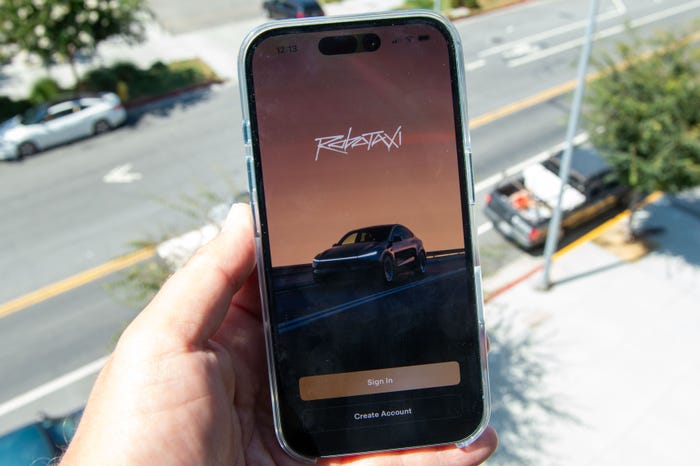
Tesla has rapidly expanded its ride-hailing service, known as the “Robotaxi,” registering a total of 1,655 vehicles in California since its launch in August 2023. This significant growth was confirmed by a spokesperson from the California Public Utilities Commission (CPUC), who noted that the number of registered drivers has also increased to 798.
The Robotaxi service began with just 28 vehicles and 128 drivers in August. The latest figures reflect the vehicles approved for use rather than the actual operational fleet. Notably, Tesla is not obligated to inform the state of additional drivers being added, which suggests that the current driver count could be even higher.
Comparison with Competitors
In comparison, Waymo, another major player in the autonomous vehicle sector, reported having 1,955 vehicles registered in California, with over 1,000 vehicles actively operating in its autonomous fleet. Waymo has been offering driverless rides to select members of the public since 2023. Meanwhile, Zoox, which operates fully autonomously, has 229 registered vehicles, with 50 vehicles actively in service between San Francisco and Las Vegas.
Tesla’s Robotaxi is not classified as an autonomous vehicle (AV) in California, where regulations on AVs are among the strictest in the United States. According to the DMV, Tesla has not applied for a driverless testing permit. Instead, the company operates under a permit from the CPUC, allowing it to provide transportation services to employees and select members of the public.
Challenges and User Experience
Since the public launch of the Robotaxi app in September 2023, some users have expressed dissatisfaction with long wait times for rides. Reports indicate that wait times have stretched to as long as 40 minutes in peak hours. One journalist, Alistair Barr, mentioned experiencing difficulties securing rides during busy commuting periods, although wait times during off-peak hours have been around ten minutes.
To address staffing shortages, Tesla has been taking proactive steps. The company has circulated flyers within its California factories, offering additional pay to hourly employees willing to assist in operating the Robotaxi network.
In Austin, Texas, where Elon Musk has indicated that Tesla has begun testing vehicles without drivers, the exact number of cars in operation remains unclear. The local transportation department stated that Tesla is not required to report these figures. Musk mentioned in a recent podcast appearance that he aims to have approximately 500 vehicles running in Austin by the end of the year.
As Tesla continues to scale its Robotaxi program, the company faces both opportunities and challenges that will shape its future in the competitive ride-hailing and autonomous vehicle markets.