
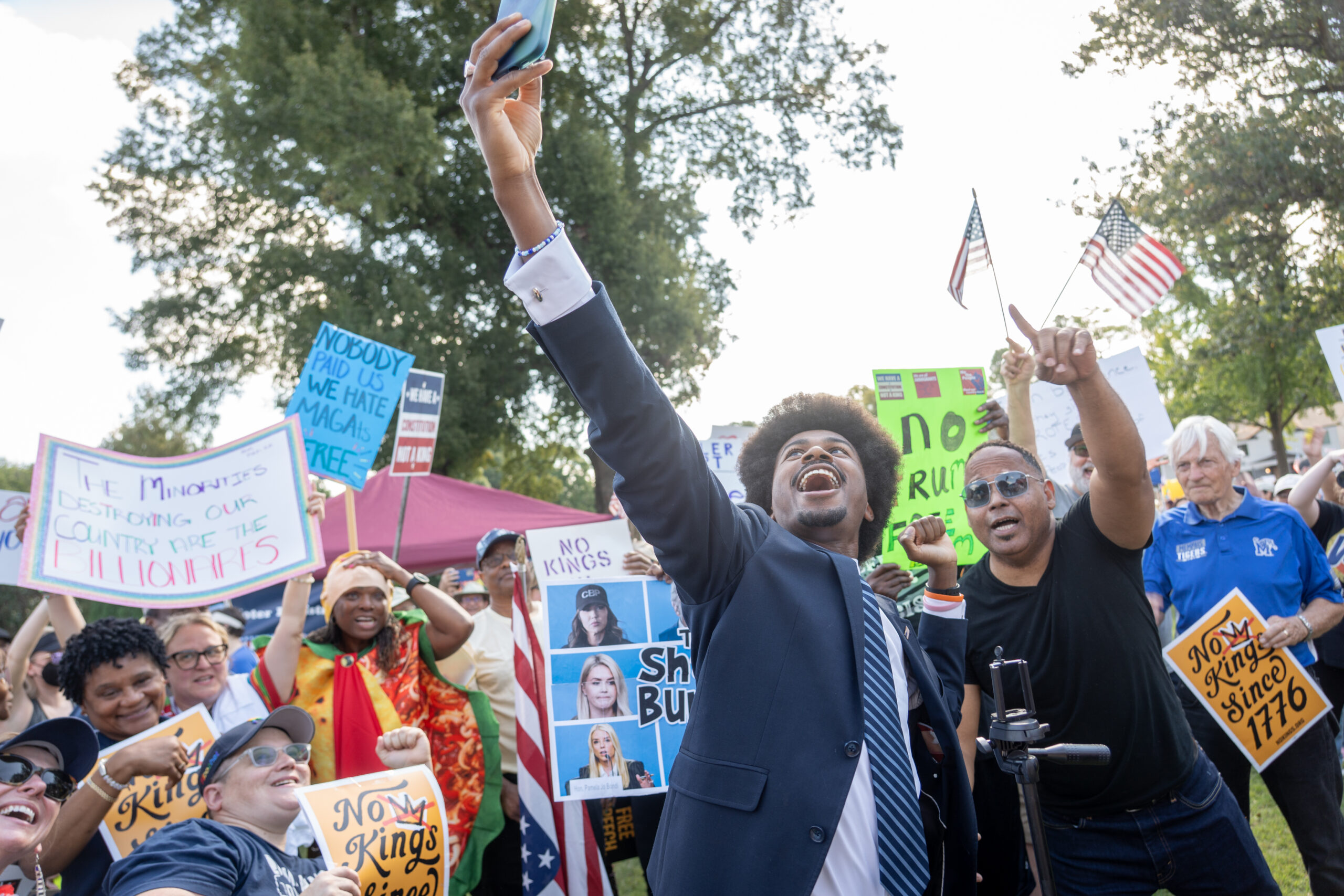
A significant rift has emerged within the Congressional Black Caucus (CBC) as discussions about generational change and leadership transition intensify. The debate centers on whether long-serving members can effectively pave the way for new leadership and ideas. Notably, this conversation has gained traction following the recent election of younger leaders in various political spaces.
Tennessee state Representative Justin Pearson voiced a compelling critique, stating, “You cannot be a part of the system for 40 years and also be the one who’s going to change it for the next 40.” His comments reflect a growing sentiment among younger members of the caucus who are advocating for a shift in leadership that better represents the interests of a new generation.
The CBC, established in 1971, has historically played a crucial role in advancing civil rights and social justice issues within the United States Congress. However, the current debate underscores a friction between the older generation, who have deep ties to the Democratic Party and established political networks, and younger members pushing for a more progressive agenda.
As the conversation unfolds, several younger members of the CBC are advocating for a reimagining of the caucus’s priorities. They argue that the changing demographics of the nation require a fresh approach to issues such as voting rights, police reform, and economic equity. These younger leaders believe their experiences and perspectives can better reflect the needs of their constituents, particularly in urban areas facing systemic inequalities.
The CBC’s internal dynamics have become increasingly visible as younger members like Pearson, alongside colleagues from various states, call for a leadership that resonates with the challenges faced by their communities today. This call for change is not merely about age; it is also about ideology and the urgency of addressing pressing social issues.
In light of these developments, the CBC is at a crossroads. The ongoing discussions highlight a critical moment in its history, where the balance between experience and innovation must be carefully navigated. While seasoned members bring invaluable knowledge and connections, younger members argue for a more agile and responsive approach to legislation that reflects contemporary issues.
As the caucus prepares for its upcoming meetings, the outcome of this generational debate will likely shape its direction for years to come. Both sides recognize the importance of unity, yet the challenge remains in melding diverse perspectives into a cohesive strategy that advances the interests of the Black community as a whole.
The CBC has always been a platform for Black representation in Congress, and its future hinges on how effectively it can integrate the voices of both established and emerging leaders. As the discussions continue, the implications of this rift will undoubtedly resonate beyond Capitol Hill, influencing broader conversations around race, representation, and leadership within the Democratic Party and American politics at large.