
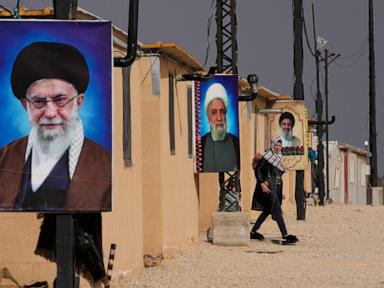
Concerns are mounting regarding a refugee compound in Hermel, Lebanon, where hundreds of Syrians have resettled following the fall of Bashar Assad. The Imam Ali Housing Compound, home to mostly Shiite Muslims, has drawn allegations of being a stronghold for Assad loyalists, a claim residents vehemently deny. This situation underscores the ongoing fears and complexities surrounding Syria’s post-civil war landscape, especially regarding identity and the risks faced by minority groups.
The Associated Press visited the compound, which consists of 228 units and features imagery of Assad allies, including Iranian leaders and fallen members of Hezbollah. The presence of such decorations has fueled media narratives suggesting that residents may be conspiring against Syria’s new Sunni Islamist authorities. In response, the Lebanese army has conducted multiple raids but reported no findings of armed activities.
Ghada Ayoub, a legislator with the anti-Hezbollah Lebanese Forces Party, highlighted her concerns about the compound being established without oversight from the state. In a recent statement, she mentioned that she formally requested information from the government about the construction of the compound, which she believes was built by an armed group in a sensitive border area. As of this week, she reported that she has yet to receive a response.
Among the residents is Mohammed Assoura, a 57-year-old Syrian who fled with his wife after receiving warnings about potential reprisals against those associated with Assad’s regime. Living in a modest unit comprising a small kitchen and bathroom, Assoura expressed his frustration at being labeled a supporter of the former regime, stating, “Do I look like a fuloul of the regime?” He now relies on aid from local NGOs to survive, holding on to hope of returning to Syria soon.
The civil war in Syria, which began in 2011, has resulted in more than 5 million refugees fleeing the country. Lebanon has taken in approximately 1.5 million of these refugees, according to government estimates. While around half a million Syrians have returned since Assad’s government was overthrown, many have continued to seek refuge in Lebanon due to ongoing violence and instability.
The mayor of Hermel, Ali Taha, noted that following Assad’s fall, approximately 50,000 people fled to his town, causing the population to double almost overnight. Many refugees initially sought shelter in mosques and schools, while others relied on relatives or set up tents in public spaces. Taha explained that the compound was intended to provide housing for those unable to pay rent, especially as classes resumed and the need to clear schools became urgent.
Funding for the housing units was sourced from Shiite religious institutions in Iraq and Iran. Taha dismissed allegations that the compound serves as a base for conspiratorial activities against the Syrian government, attributing such claims to political motivations.
The United Nations Refugee Agency has stated that it does not have a presence at the compound and lacks information about the situation within. Residents like Maha al-Abeer, a widow who opened a grocery store to support her children, expressed gratitude for sheltering in the compound rather than living in makeshift accommodations. She, along with others, denied any involvement with pro-Assad elements, emphasizing their need for safety.
The backdrop of sectarian violence continues to affect the dynamics in the region. Following the fall of Qusair, a town captured by Hezbollah in 2013, anti-Shiite sentiments have risen within Syria’s Sunni majority. As the situation evolves, minority communities remain cautious, despite assurances from Syria’s interim president, Ahmad al-Sharaa, who has promised accountability for acts of sectarian violence.
As Lebanon grapples with the influx of refugees and the complexities of its relationship with Syria, the future of the Imam Ali Housing Compound and its residents remains uncertain. The interplay of regional politics, sectarian identities, and the lingering effects of war continue to shape the narratives surrounding these displaced individuals.