
URGENT UPDATE: The tech industry is facing a reckoning as some of its most ambitious projects have turned into significant failures, costing billions and leaving consumers disillusioned. As of now, the fallout from these colossal missteps is reshaping the landscape of technological innovation.
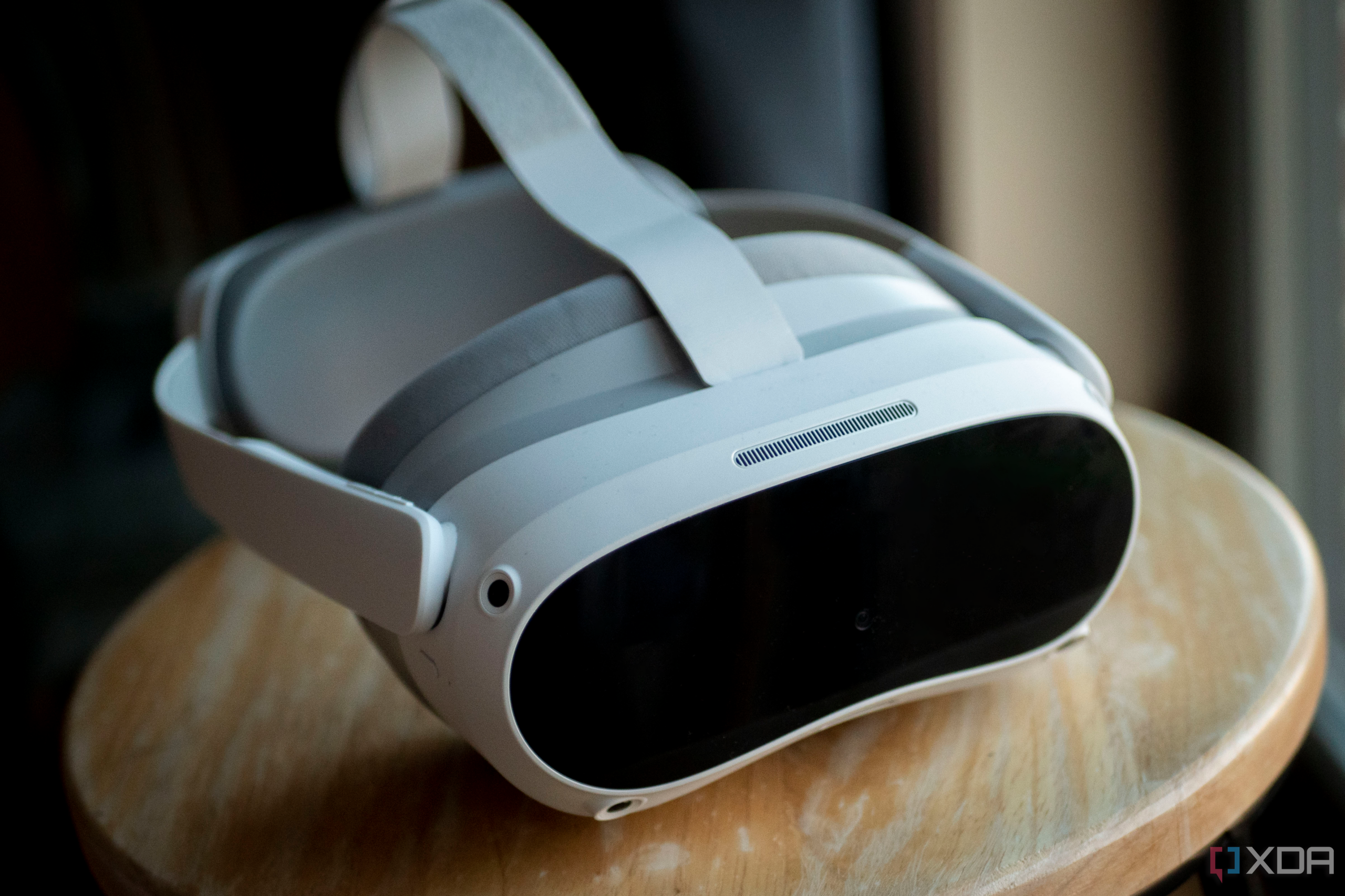
Among the most notorious flops is the Metaverse, a vision championed by Mark Zuckerberg. Launched in fall 2021, Meta’s ambitious rebranding aimed to create a digital utopia, but as of 2026, it has resulted in a staggering $70 billion financial hit. Recent reports indicate that Meta has laid off 1,500 employees from its Reality Labs division and closed VR studios, including Twisted Pixel and Sanzaru Games. The flagship app, ‘Horizon Worlds’, now struggles to attract even 900 active daily users, leading to comparisons that there are more people stuck in elevators than “living” in this virtual space.
The excitement surrounding 3D Displays has also fizzled out. Following the success of James Cameron’s Avatar, manufacturers rushed to produce 3D TVs and laptops, but the technology required uncomfortable glasses that often caused headaches. By 2026, major companies have abandoned 3D tech entirely, opting instead for popular 4K UHD displays, while Nintendo has shifted back to standard LCD and OLED screens for its Switch lineup.
Another significant flop, Google Glass, launched in 2013 at a staggering $1,500. This awkward device featured a prism over the user’s eye but failed to capture consumer interest due to its high price and unclear value. Google ceased production in 2015, yet plans to reintroduce AI-powered glasses in 2026, potentially inspired by the recent success of Meta’s Ray-Ban smart glasses.
The once-hyped motion control interfaces have also faded into obscurity. Between 2008 and 2011, devices like Microsoft’s Kinect and Sony’s PlayStation Move promised a new way to interact with technology. However, by 2026, these interfaces are nearly extinct outside VR environments. Users prefer traditional controls, as motion technology proved cumbersome for extended use.
Finally, the push for AI PCs has seen a similar lack of consumer interest. Despite significant R&D investments from companies like Intel and AMD, the launch of laptops with dedicated neural processing capabilities has not resonated with buyers. Intel’s former head of products admitted that these AI chips have underperformed in sales. Dell’s product chief recently revealed that customers are not prioritizing AI features when making their purchasing decisions.
As the tech industry grapples with these failures, one thing is clear: innovation must prioritize user comfort and practicality. While bold advancements are essential, the focus must shift to delivering solutions that resonate with everyday consumers. The lesson is simple: not every leap forward is progress, and sometimes, technology can become a solution in search of a problem.
Stay tuned for further updates as the tech world continues to navigate these turbulent waters.