
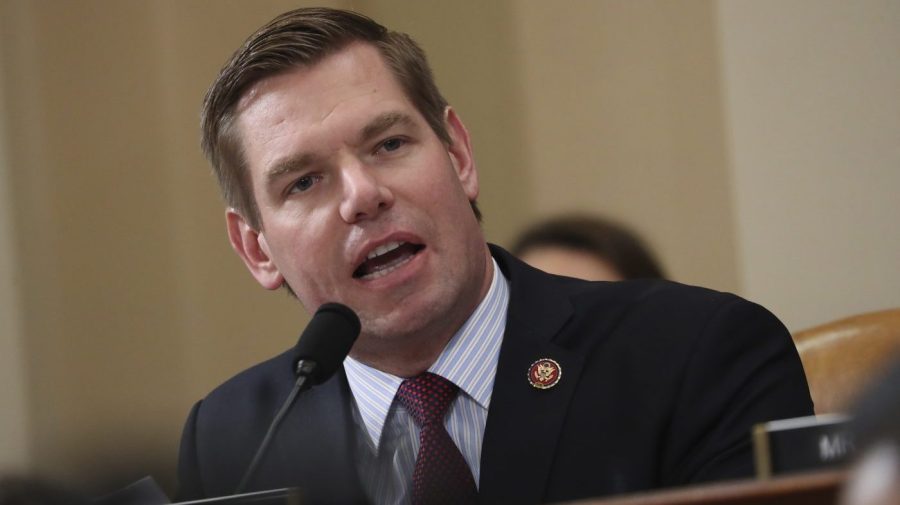
California Congressman Eric Swalwell, a candidate for governor, is firmly rejecting allegations regarding his residency made by rival candidate Tom Steyer. The controversy ignited when Ryan Hughes, general counsel for Steyer, submitted a letter to the California Secretary of State asserting that Swalwell’s residency is merely “on paper.”
Swalwell responded vigorously to these claims, branding them as unfounded and politically motivated. He emphasized that he has been a resident of California, specifically the Bay Area, for many years, a fact he believes is evident through his active participation in local and state affairs.
The letter from Hughes contended that Swalwell does not reside in California permanently and suggested that his political ambitions are disconnected from the state’s electorate. In a statement, Swalwell characterized these accusations as an attempt to distract voters from the real issues facing the state.
In the political landscape of California, residency is a critical factor for candidates seeking office. Candidates must demonstrate strong ties to their communities to earn the trust of constituents. Swalwell’s defense centers on his long-standing commitment to California and its residents, which he argues should take precedence over Steyer’s allegations.
As the campaign heats up, Swalwell has pledged to focus on key issues such as affordable housing, education reform, and climate change. He insists that his dedication to these topics reflects his genuine concern for the state and its future.
While Swalwell seeks to maintain his position as a viable candidate, the scrutiny from Steyer and his team underscores the competitive nature of the gubernatorial race. With the election still months away, both candidates are expected to continue highlighting their respective qualifications and visions for California.
As the race progresses, the focus will likely remain on the policies and character of the candidates rather than personal attacks. Swalwell’s response to the residency claims may set the tone for how both he and Steyer engage with voters in the lead-up to the election.