
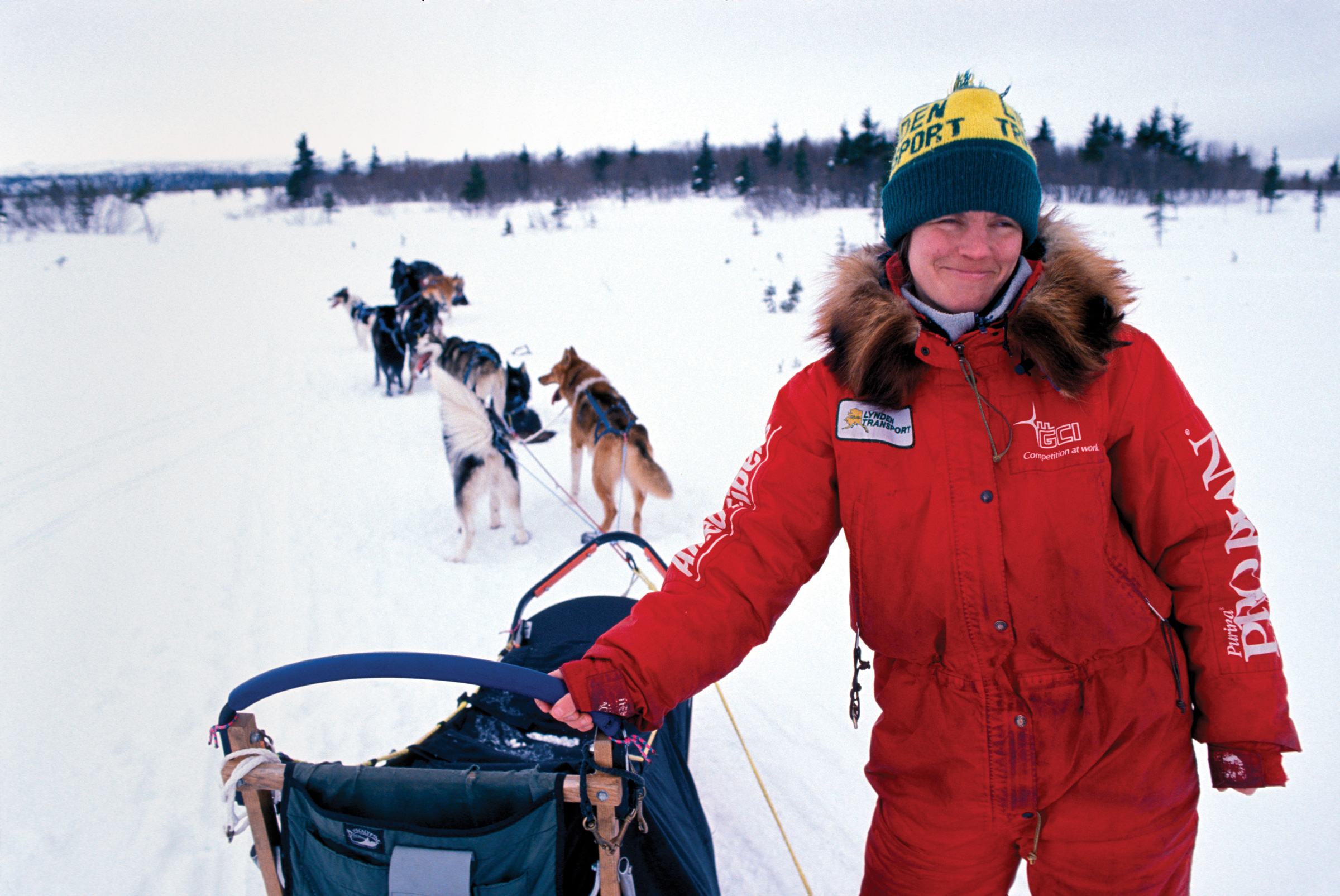
In the world of competitive mushing, few figures have left a mark as profound as Susan Butcher, a four-time champion of the Iditarod sled dog race. Her legacy extends beyond her victories; it embodies an enduring lesson that caring for animals and fostering trust can lead to success in even the most grueling competitions.
Butcher’s prowess first gained national attention during the 1988 Iditarod when she became the first woman to secure three consecutive wins, a remarkable achievement that altered the narrative surrounding women in the sport. Many remember that pivotal moment in the late 1980s when Butcher passed through Unalakleet, a key checkpoint located 775 miles into the race. The community gathered to catch a glimpse of the champion, who had become a symbol of determination and skill.
The atmosphere at Brown’s Lodge, a local eatery and boarding house, was electric. Young fans, including a 10-year-old girl who would later reflect on the experience, marveled at Butcher’s presence. As the girl stood overwhelmed by shyness, her father encouraged her to ask for an autograph, a moment she would cherish forever.
During that eventful race, sportscaster Pat O’Brien was also in attendance, further elevating the excitement. Butcher’s victory in Nome was not merely a personal triumph; it represented a significant shift in perceptions about women’s roles in sports. Alongside fellow champion Libby Riddles, Butcher helped to inspire the now-famous slogan: “Alaska… WHERE MEN ARE MEN and Women win the Iditarod.”
Despite her accolades, Butcher faced criticism, particularly from some male competitors who dismissed her approach to dog care. They accused her of “babying” her dogs, failing to understand that her empathetic leadership style was a crucial element in her success. Even decades after her passing in 2006, the echoes of this criticism persist, yet her techniques have become a standard by which many other mushers are judged.
Care is often perceived as a soft quality, but Butcher demonstrated that it requires strength and insight. Her relationship with her dogs was built on trust and mutual respect, contrasting sharply with the more authoritarian approaches of some of her contemporaries. This nurturing style has since gained recognition as essential for success in the Iditarod, where the well-being of the dogs is paramount.
Reflecting on the changes Butcher brought to the sport, it is evident that her influence extended beyond the race itself. She normalized competition between men and women, showcasing that strength comes in many forms. For many young fans like the girl in Unalakleet, Butcher was a trailblazer who illustrated that women can excel and even surpass their male counterparts.
Today, the Iditarod continues to thrive, serving as a cultural touchstone for many Alaskans. The first musher to reach Unalakleet now receives a reward of $3,000 in gold nuggets, celebrated during a ceremony that underscores the community’s appreciation for the race.
As the seasons change and the Iditarod approaches each year, the legacy of Susan Butcher remains palpable. Her life and career inspire a new generation to challenge norms, push boundaries, and advocate for a compassionate approach to both life and competition. In an era where traditional notions of leadership often prioritize control and dominance, Butcher’s example serves as a reminder that true strength can be found in empathy, care, and resilience.
Butcher’s story is not just one of personal achievement; it is a call to action. As we continue to navigate our lives and careers, her journey encourages us to embrace our instincts and foster positive change, even if some people may misunderstand our intentions. Through her dedication to her dogs and the sport, Butcher proved that caring and trust are the true keys to success in any endeavor.