
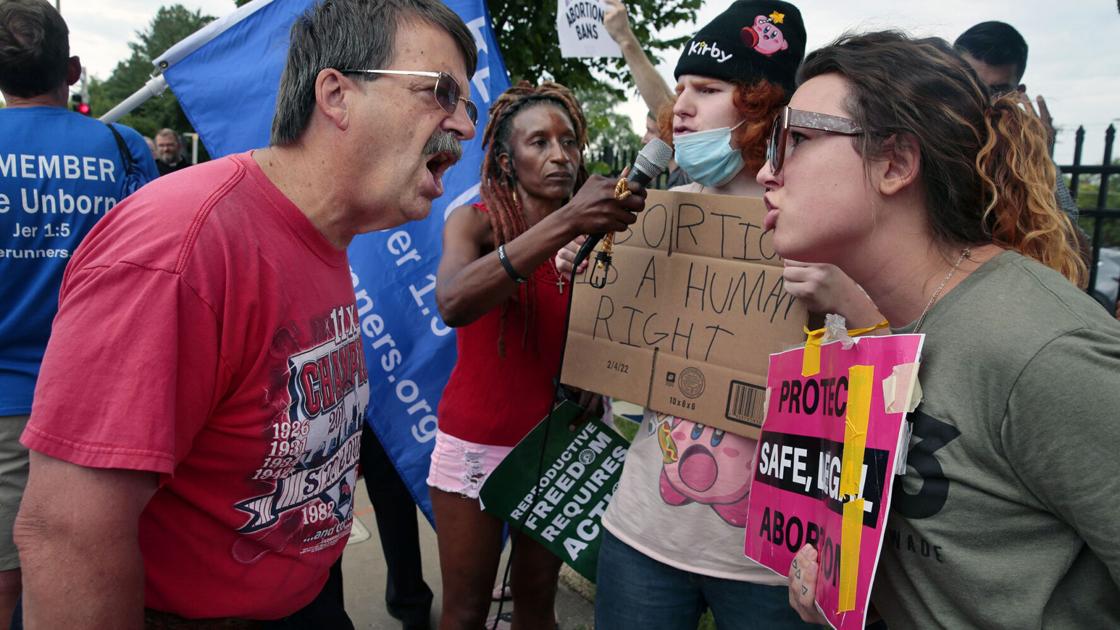
A recent Gallup poll reveals that a record 45% of American adults now identify as political independents, a significant increase from 33% in 1990. This trend highlights a growing discontent with the traditional two-party system, as more voters distance themselves from the labels of Democrat and Republican. The shift reflects a broader dissatisfaction with political discourse, particularly as both major parties increasingly cater to the most vocal and often angry factions within their ranks.
The rise in independent voters suggests that many Americans are unwilling to align themselves with parties that no longer resonate with their values. Gallup’s findings indicate that while many independents still lean toward one party, their reluctance to adopt a partisan label underscores a critical issue in American politics. Political leaders may be misinterpreting a small but passionate online minority as representative of the general populace. This phenomenon has been characterized as the “rage economy,” a term gaining traction among commentators and politicians alike.
In a recent conversation on this topic, Texas state representative James Talarico expressed his frustrations with media and social media platforms that profit from division. Talarico, who is currently in a competitive U.S. Senate primary against Jasmine Crockett, emphasized the destructive impact of a system that thrives on anger and conflict. He stated, “Because anger sells. Hate sells. Fear sells. These billionaires and their platforms are engineering our emotions so they can profit off our pain.” His remarks resonate with a growing number of Americans who feel increasingly alienated by the current political climate.
As political rhetoric grows more heated, the impact on governance is becoming apparent. The cycle of online outrage has intensified what some describe as “pendulum politics,” with power swinging sharply from one administration to another. The two nonconsecutive presidencies of Donald Trump framed an era marked by cultural battles, often perceived as disconnected from the realities of everyday Americans. As the nation approaches the 2026 midterm elections, a notable number of voters appear to be seeking a return to moderation and common sense.
Polling data from RealClearPolling indicates that public opinion toward both major parties is currently low. Approximately 52.5% of Americans view the Republican Party unfavorably, while the Democratic Party fares slightly worse at 56.2%. This dissatisfaction underscores a critical moment for both parties as they navigate the upcoming elections.
Younger voters, in particular, are demonstrating a stark departure from traditional partisanship. According to Gallup, most Gen Z voters and nearly half of millennials identified as independents in 2025. This demographic shift suggests a growing recognition among younger Americans that traditional attack ads and partisan bickering do not serve the broader interests of the population.
As both parties grapple with their identities and strategies leading into the next election cycle, there is a pressing need for introspection. The call for a political landscape that prioritizes the needs of constituents over power struggles is more urgent than ever. Winning elections is only the first step; the real challenge lies in delivering effective governance that truly represents the diverse views and interests of the American people.