
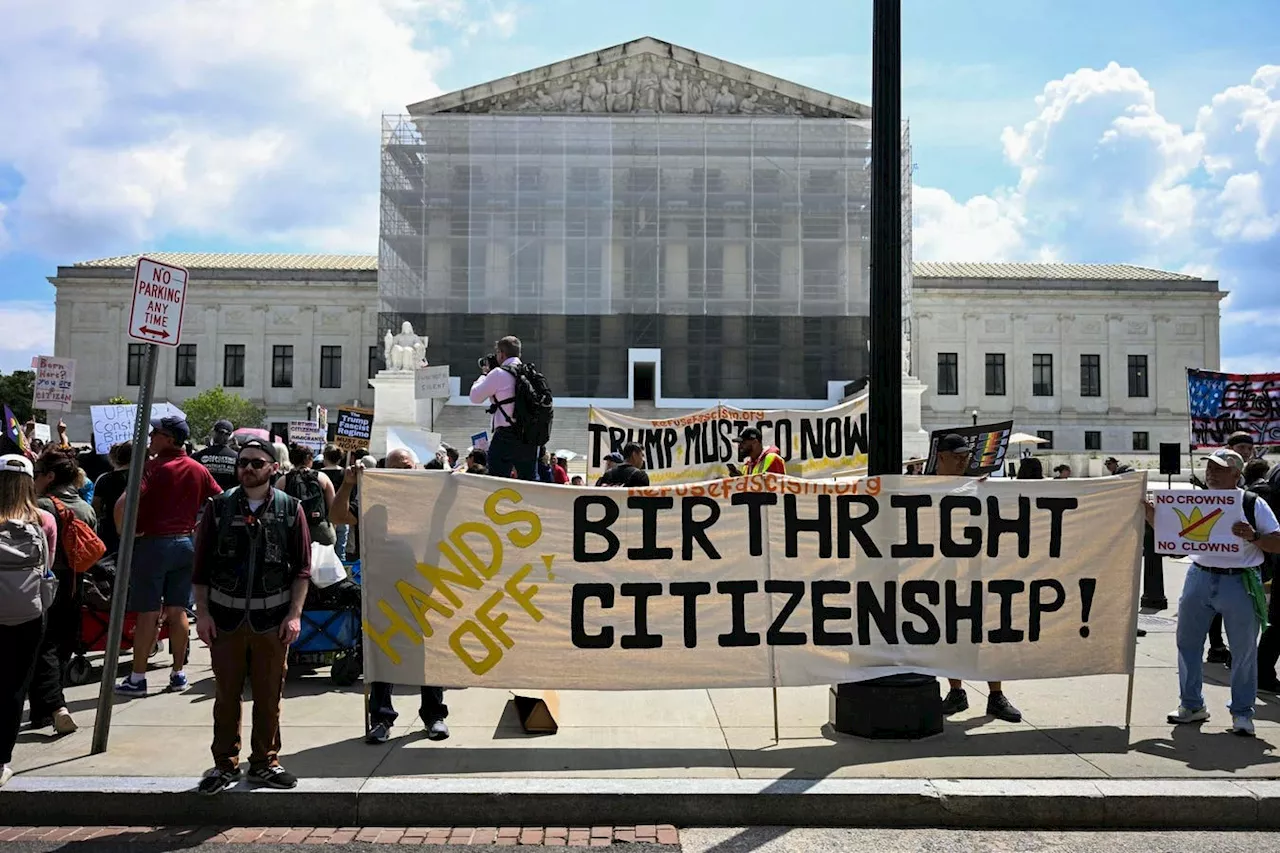
The Supreme Court of the United States will review President Donald Trump’s executive order that seeks to eliminate birthright citizenship for children born on American soil to undocumented immigrants and certain temporary foreign residents. This pivotal case will examine the legality of an order signed in January 2025, potentially overturning over two centuries of established law that grants citizenship to anyone born in the U.S.
The court’s decision will address the constitutional implications of the order, which has faced multiple legal challenges since its inception. Oral arguments are expected to occur in the spring, with a ruling anticipated by June or July 2026. The relevant constitutional provision states, “All persons born or naturalized in the United States, and subject to the jurisdiction thereof, are citizens of the United States and of the State wherein they reside.”
If upheld, the order could have significant implications for the future of immigration in the United States. According to research from the Migration Policy Institute and Penn State’s Population Research Institute, eliminating birthright citizenship could result in approximately 255,000 children being born each year without citizenship. Additionally, it is estimated that the population of immigrants lacking permanent legal status could rise to 2.7 million by 2045 and 5.4 million by 2075, should the order be enacted.
The ruling will likely impact millions of families and could reshape the discussion surrounding immigration policy in the United States. Legal experts and advocates on both sides of the issue are closely monitoring the developments in this case, as it may set a significant precedent regarding citizenship rights.
As the nation awaits the Supreme Court’s decision, public discourse continues to evolve around the implications of birthright citizenship and the broader immigration framework. The outcome will not only reflect the court’s interpretation of the Constitution but also influence future legislative efforts concerning immigration and citizenship in the United States.