
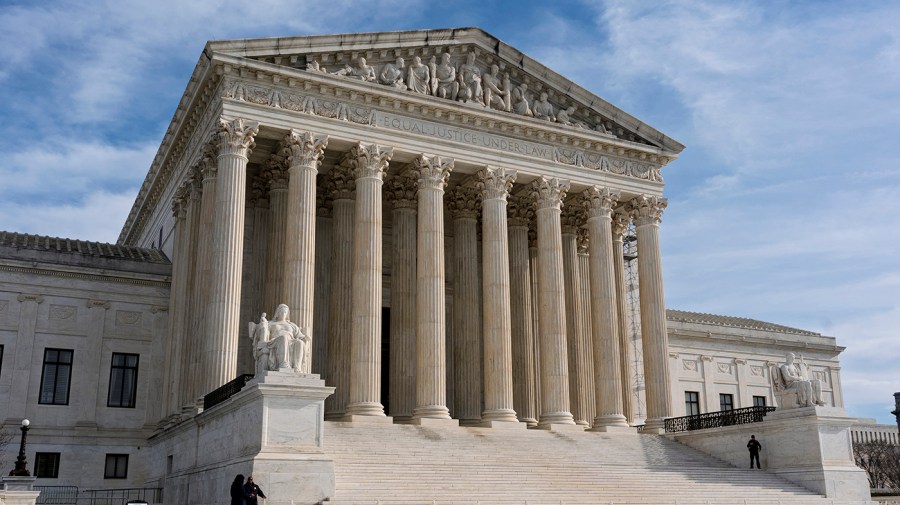
The Supreme Court engaged in oral arguments on Tuesday, November 7, 2023, regarding a significant legal dispute involving faith-based pregnancy centers in New Jersey. The case centers on a subpoena issued by the state’s Democratic Attorney General, which seeks information about the donors of the First Choice Women’s Resource Centers. The centers argue that the demand for this information infringes upon their First Amendment rights.
During the proceedings, justices expressed a degree of sympathy toward the pregnancy centers. The centers contend that complying with the subpoena would not only compromise their donor privacy but also deter individuals from contributing to their cause, which aims to provide support to women facing pregnancy-related decisions. They assert that the requirement violates their freedom of speech and association.
In contrast, the Attorney General’s office argues that the subpoena is necessary to ensure transparency and accountability. This legal battle has its roots in previous rulings from lower courts, which determined that the dispute is not yet ripe for adjudication. The courts maintained that further legal processes must occur before the Supreme Court can make a definitive ruling.
The First Choice Women’s Resource Centers serve as a network of facilities providing counseling and support to women, particularly those considering alternatives to abortion. Their operations are heavily reliant on donations, and they claim that the subpoena could significantly undermine their ability to fund their services.
The outcome of this case could have far-reaching implications for similar organizations across the United States. If the Supreme Court sides with the Attorney General, it could set a precedent that allows for greater scrutiny of donor information, potentially impacting the fundraising efforts of various nonprofit entities.
Legal experts are closely monitoring the situation, as it raises essential questions about the balance between government oversight and the rights of private organizations. The justices’ questions during the oral arguments suggested a willingness to engage with these complex issues, signaling that the Court may be considering the potential consequences for free speech and religious expression.
As the case progresses, the Supreme Court’s ruling is expected to clarify the boundaries of donor privacy and the extent of governmental authority in regulating nonprofit organizations. Observers will be keen to see how the justices reconcile the competing interests at stake in this pivotal legal challenge.