
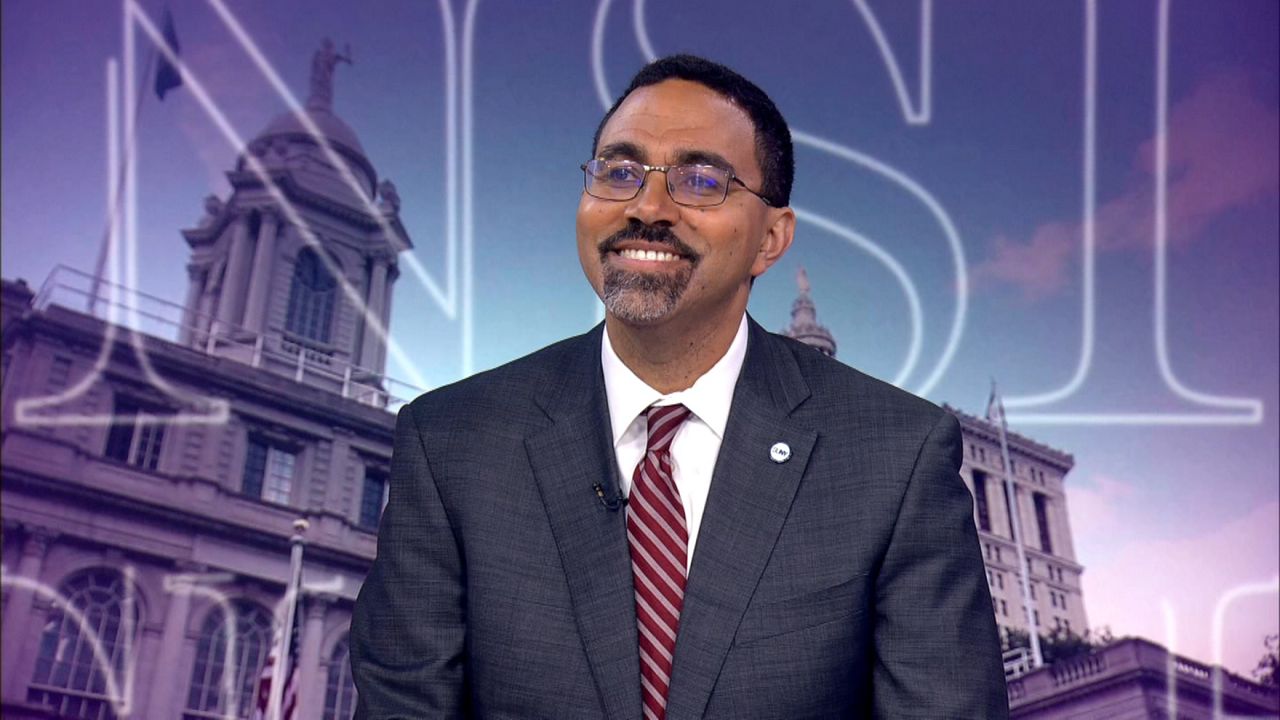
UPDATE: SUNY Chancellor John King has urgently called on New York state lawmakers for a transformative $10 billion capital plan to address a crippling $10 billion maintenance backlog threatening campuses across the state. This plea comes amid a significant rise in enrollment and improved financial forecasts, but critical infrastructure needs remain unaddressed.
In testimony delivered on October 3, 2023, in Albany, King emphasized the dire situation facing the State University of New York system, which comprises 64 campuses. “Buildings are at risk of losing heat, which is especially challenging as winter approaches,” he stated, referencing recent incidents where campuses struggled with inadequate heating and hot water.
King highlighted alarming examples from campuses such as SUNY Purchase, where academic buildings were without heat, and Buffalo State, where students were forced to shower in trailers due to hot water shortages. These maintenance issues not only disrupt day-to-day operations but also severely impact the student experience.
The urgency of King’s request is underscored by the $595 million proposed by Governor Kathy Hochul. King argues that this amount is insufficient, urging legislators to consider nearly double that figure. “We’re asking for a multi-year capital plan that provides clarity and commitment,” he asserted, envisioning a structured approach similar to those used by the MTA or the Department of Transportation.
Two years after a grim forecast projected a $10 billion deficit by 2034 for SUNY, significant state assistance has helped mitigate the crisis, bringing the deficit down to $50 million. However, continued partnership with the state is essential to sustain this progress. “Our ability to reach below $50 million hinges on ongoing support and an increase in enrollment,” King explained during an interview with Spectrum News 1.
In addition to maintenance concerns, King reported that SUNY has experienced financial losses of $43 million due to challenges posed by the Trump administration’s stance against diversity, equity, and inclusion initiatives. “We continue to litigate these pressing issues because we believe that diversity and equity align with the law,” he stated, highlighting the broader implications of federal policies on state-funded institutions.
The Chancellor’s testimony represents a critical moment for SUNY, as he urges the state Legislature to act decisively on these pressing needs. The outcome of this appeal will determine not only the future of SUNY’s infrastructure but also the quality of education and student experience for thousands of New Yorkers.
As negotiations unfold, the state’s commitment to SUNY’s capital needs will be crucial in shaping the university system’s future. All eyes will be on Albany as legislators deliberate on this urgent financial request.
Stay tuned for further developments on this evolving situation.