
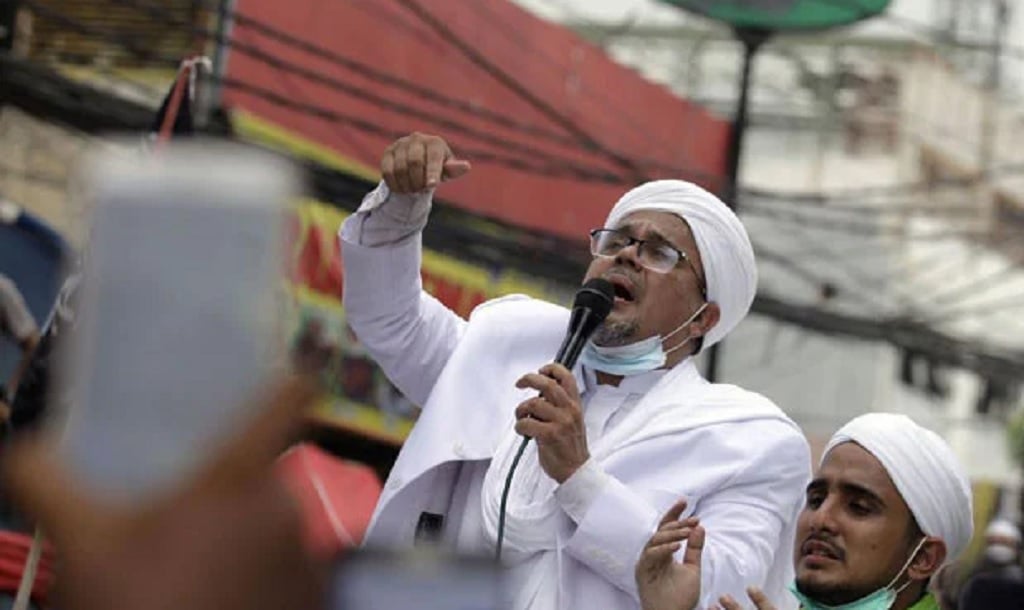
Sufmi Dasco Ahmad, the Deputy Speaker of Indonesia’s House of Representatives, met with Habib Rizieq Shihab, the leader of the Islamic Defenders Front (FPI), on March 7, 2026, in Jakarta. The meeting took place at Rizieq’s residence in Petamburan and focused on several pressing issues concerning the Islamic community in Indonesia.
Rizieq, who has been a significant figure in Indonesian politics and religious discourse, welcomed Dasco Ahmad to discuss the role of Islam in the country’s governance. The two leaders exchanged views on current socio-political conditions, which included topics such as religious freedom, community welfare, and the importance of maintaining harmony among Indonesia’s diverse population.
The meeting comes at a time when the relationship between political and religious leaders is crucial in shaping public policy. Both Dasco and Rizieq emphasized the need for collaboration to address various challenges facing the nation. They agreed that fostering unity among different religious groups is essential for national stability.
Dasco’s visit also reflects the growing influence of religious leaders in Indonesian politics. As the country prepares for upcoming elections, political figures are increasingly seeking support from influential religious leaders to strengthen their positions.
In a statement to the press following the meeting, Dasco highlighted the importance of dialogue, stating, “We must work together to ensure that the voices of our communities are heard in the political arena.” This sentiment was echoed by Rizieq, who expressed his commitment to supporting initiatives that benefit the broader population.
Such meetings between political and religious leaders are not uncommon in Indonesia, a country with the world’s largest Muslim population. The collaboration between these sectors often influences public opinion and policy direction, making it vital for leaders to maintain open lines of communication.
As Indonesia navigates its multifaceted challenges, the partnership between figures like Dasco and Rizieq may play a pivotal role in shaping the future of the nation. The discussions held in Petamburan are a testament to the ongoing interplay between politics and religion in Indonesia, highlighting the significance of cooperation in addressing the needs of the people.
In conclusion, the meeting between Sufmi Dasco Ahmad and Habib Rizieq Shihab marks a significant moment in Indonesian politics. It underscores the importance of unity and collaboration in addressing the complex issues facing the nation as it moves forward in a rapidly changing world.