
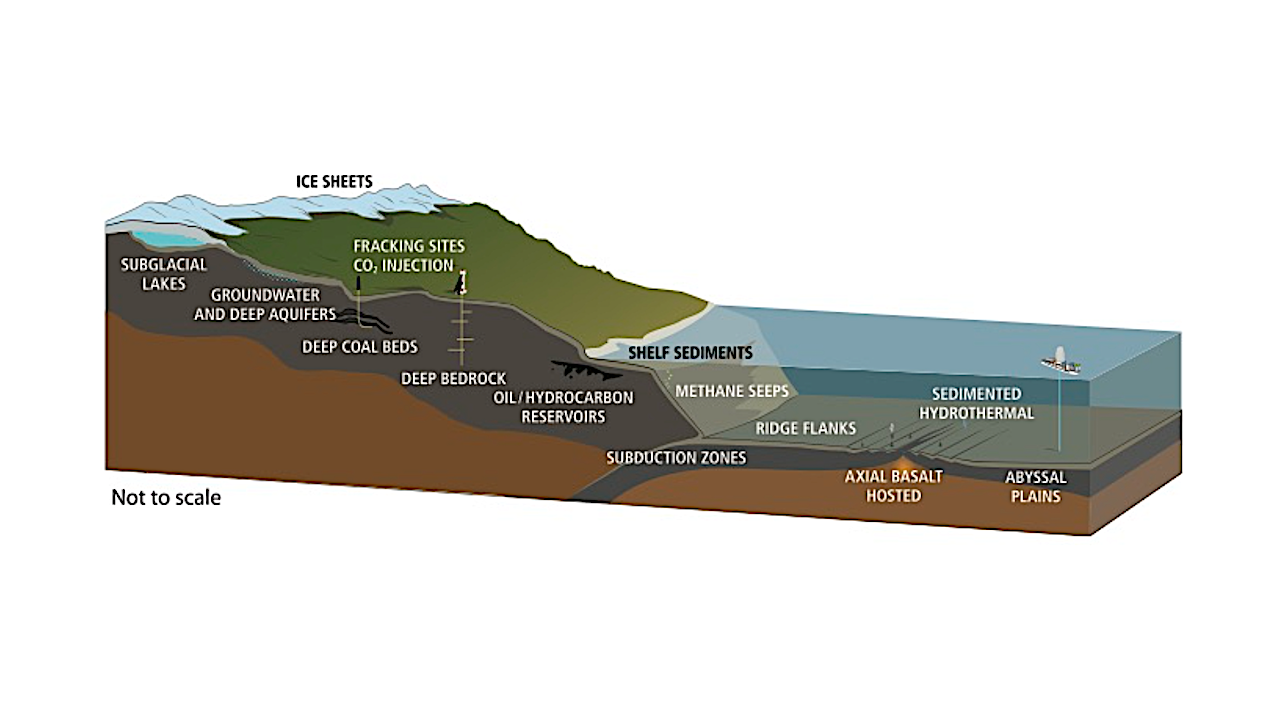
Subsurface microbiology is undergoing a significant transformation, shifting its focus from merely identifying microbial inhabitants to understanding their roles and the essential processes governing subsurface ecosystems. This evolution is crucial as the functions of subsurface microorganisms are vital for addressing pressing societal issues, particularly in combating climate change and managing waste storage. Both challenges hinge on the exploration of subsurface habitats, which are currently underfunded and overlooked.
The landscape of subsurface microbiology is characterized by limited sampling opportunities and decreasing financial support. This article aims to engage scientists interested in the geomicrobiology of subsurface environments, funding agencies globally, and professionals in the extractive and waste disposal industries. It offers a review of the field’s historical context and current status while suggesting actionable steps for future progress.
Understanding Subsurface Microbiology’s Role
Subsurface microorganisms play critical roles in nutrient cycling, bioremediation, and the degradation of pollutants. Their functionality can directly influence soil health and water quality, which are essential for sustaining ecosystems. The understanding of these microbes has implications not only for environmental science but also for public health and safety, especially in the context of waste storage and management strategies.
As the urgency to tackle climate change escalates, the need for innovative solutions becomes more apparent. Subsurface habitats could serve as potential sites for carbon capture and storage, which may significantly reduce greenhouse gas emissions. However, the effectiveness of such solutions hinges on a comprehensive understanding of the microbial processes at play within these environments.
Challenges and Opportunities for Future Research
Despite the importance of subsurface microbiology, funding for research and exploration remains inadequate. Opportunities for subsurface sampling have diminished in recent years, highlighting a critical gap in knowledge and support for this field. To bridge this gap, it is essential to engage early-career microbiologists in drilling projects. Their fresh perspectives and innovative approaches can drive new discoveries and methodologies.
The article advocates for increased collaboration between academia and industry, promoting microbiology-led drilling initiatives. By incorporating microbiologists into the planning phases of drilling projects, researchers can ensure that relevant questions are addressed and that sampling strategies are optimized. Interdisciplinary approaches can enhance the effectiveness of these projects, fostering a more comprehensive understanding of subsurface environments.
Furthermore, funding agencies are encouraged to recognize the value of subsurface microbiology in addressing global challenges. Support for interdisciplinary research that includes microbiologists can lead to groundbreaking discoveries and solutions that benefit society.
In conclusion, the field of subsurface microbiology stands at a pivotal juncture. By investing in research, fostering collaboration, and engaging emerging scientists, stakeholders can unlock the potential of subsurface ecosystems to contribute significantly to climate change mitigation and waste management strategies. The future of this vital field depends on a collective commitment to understanding and exploring the unseen microbial world beneath our feet.