
Research published on December 23, 2025, in the journal PNAS Nexus reveals that highlighting immigrants’ efforts to overcome challenges can positively influence public attitudes toward immigration. The study, led by Amine Sijilmassi and colleagues, was conducted during the 2024 French elections and demonstrates how emphasizing the “deservingness” of immigrants can reduce negative perceptions among voters.
The researchers executed three distinct studies in France, focusing on whether certain traits associated with deservingness—such as a strong motivation to work, commitment to learning the French language, and aspirations for their children’s future—could mitigate anti-immigration sentiments. In one of these studies, involving 480 participants, individuals rated fictional immigrant profiles more favorably when these profiles exhibited traits indicative of deservingness.
Methodology and Findings
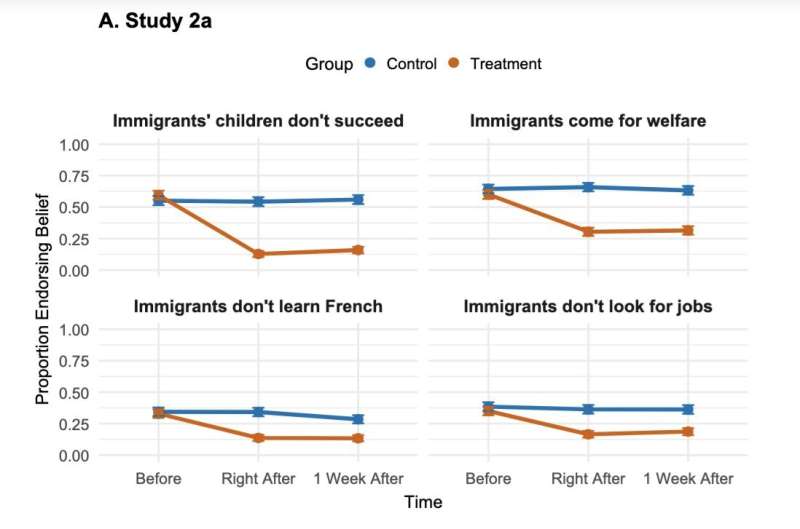
Additional longitudinal studies were conducted during the European Parliament elections with 1,506 participants and the French parliamentary elections with 1,255 participants. In these studies, participants who received accurate information correcting common misperceptions about immigrants’ deservingness reported significant reductions in negative beliefs. The likelihood of endorsing such misperceptions decreased by between 20–38 percentage points.
Alongside these shifts in belief, the intervention produced modest but significant reductions in opposition to immigration. This was reflected in a 3–5% reduction on the attitude scale, indicating a notable change in sentiment among those exposed to the targeted communication strategies. While the effects on voting behavior were minimal and varied across analyses, the impact on beliefs persisted for at least one week after the intervention.
The authors of the study assert that these findings underscore the potential of communication strategies that highlight immigrants’ contributions and cooperation with their host society. This approach appears to resonate across differing political ideologies, suggesting that promoting the narrative of deservingness may serve as an effective means to combat anti-immigration bias.
Overall, the research indicates a pathway for policymakers and advocacy groups to foster more favorable public opinions about immigration. By addressing misconceptions and showcasing the efforts of immigrants, societies may move toward a more inclusive perspective on immigration.
More information can be found in the article titled “Information about immigrants’ deservingness reduces misperceptions and opposition to immigration,” available in PNAS Nexus.