
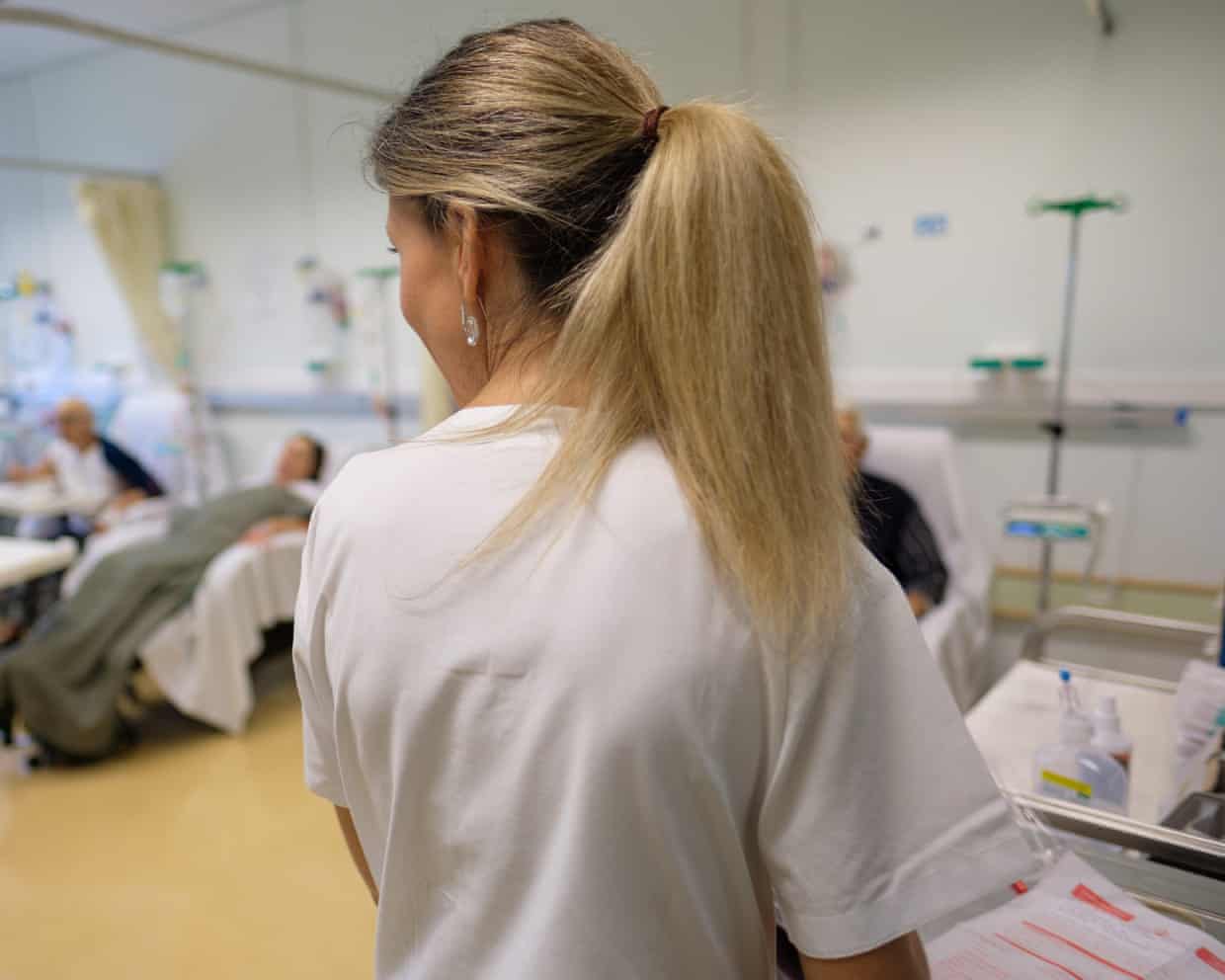
The burden of student loan debt is growing heavier for many graduates, as illustrated by the experience of Helen Lambert, who borrowed £57,000 for her university education. Despite making repayments since 2021, her total debt has skyrocketed to over £77,000 due to high interest rates, which have exceeded 8%. Lambert’s situation reflects a broader issue affecting countless graduates, particularly those on the Plan 2 repayment scheme.
After beginning her career as an NHS nurse, Lambert started repaying her student loans with monthly deductions of approximately £145. However, these payments pale in comparison to the more than £400 in interest that is added to her debt each month. By the end of November, her debt had ballooned, and with 25 years remaining in the 30-year repayment period, Lambert expressed frustration over the seemingly insurmountable challenge of managing her loans.
“I do not think my studies should have been free,” Lambert stated. “But it is disheartening to have this level of debt hanging over you with no achievable way to clear it or even reduce it while they add on upwards of £400 a month in interest.”
The impact of policy changes on student financing has exacerbated the challenges faced by many in Lambert’s position. During her university years from 2017 to 2020, financial support for nursing students significantly decreased. The NHS bursaries, which previously provided up to £16,454 annually for tuition and living expenses, were eliminated just weeks before she began her course. A partial replacement grant was introduced only after her graduation in September 2020, offering £5,000 annually.
Lambert is one of millions affected by this situation, including Nadia Whittome, a Labour MP who shared her own student debt struggles on social media. Whittome graduated in 2019 with £49,600 in debt, and despite her high salary as an MP, her repayments have only reduced her debt by £1,000 over six years. “If MPs are barely making a dent in their student loan debt after six years of repayments, what chance do other graduates have?” she asked.
Recent changes in government policy, including a freeze on the salary threshold for Plan 2 loan repayments, have further complicated the financial landscape for borrowers. The current threshold stands at £28,470 per year, and the freeze means that as salaries increase, more individuals will find themselves required to make repayments. Critics argue that this effectively transforms student loan debt into a graduate tax, as borrowers pay 9% of their earnings above the threshold.
Understanding the structure of student finance is crucial for current and future borrowers. The system consists of a tuition fee loan, which covers course fees paid directly to universities, and a maintenance loan designed to assist with living costs. Interest on these loans begins accruing immediately, and repayment amounts vary based on the repayment plan.
Plan 2 loans, like those taken by Lambert, apply to students from England who commenced their studies between September 2012 and July 2023. Graduates are required to repay 9% of their income over the threshold, with interest rates linked to the Retail Price Index (RPI) of inflation. As of August 2024, the interest rate surged to 8%, compounding the challenges for borrowers.
Lambert, who studied at Edinburgh Napier University, has seen her debt increase significantly since she first began making repayments. In the time since her graduation in 2020, she repaid just under £4,000, while her debt has increased by approximately £15,176 due to interest. Her monthly repayments vary based on her work schedule, and the interest added each month can reach as high as £488.
“My student loan is not ‘bad debt’ – it would not go against me if I apply for other financial loans,” she explained. “But each month I’m forced to pay a sizeable sum to a pointless debt that won’t ever be cleared.”
Calls have emerged from unions and political figures for backdated financial support for students like Lambert, who missed out on NHS bursaries and other forms of assistance. Despite these appeals, government officials have indicated that such measures are unlikely to be implemented.
The recent government budget announcement included plans to raise the repayment threshold for Plan 2 loans to £29,385 in April 2024. However, this increase is expected to remain frozen until 2030, which will place additional financial pressure on graduates as their wages increase.
For many graduates, the prospect of managing substantial student loan debt can feel overwhelming. Experts recommend that individuals consider their financial situation carefully before making extra repayments. According to Save the Student, overpaying student loans is not always advisable, as many borrowers will not repay their loans in full before they are written off after 30 years.
The Department for Education has responded to concerns about student loan debt, stating: “This government is making fair choices to make sure the student finance system is sustainable – protecting taxpayers and students.” They emphasized that the repayment threshold changes will not impact those who began their courses after August 2023 and that loans will continue to be written off after the designated period.
As the challenges of student loan debt persist, the experiences of individuals like Helen Lambert serve as a stark reminder of the systemic issues within the financing of higher education. With rising interest rates and policy changes, the road to financial freedom remains uncertain for many graduates navigating their repayment journeys.