
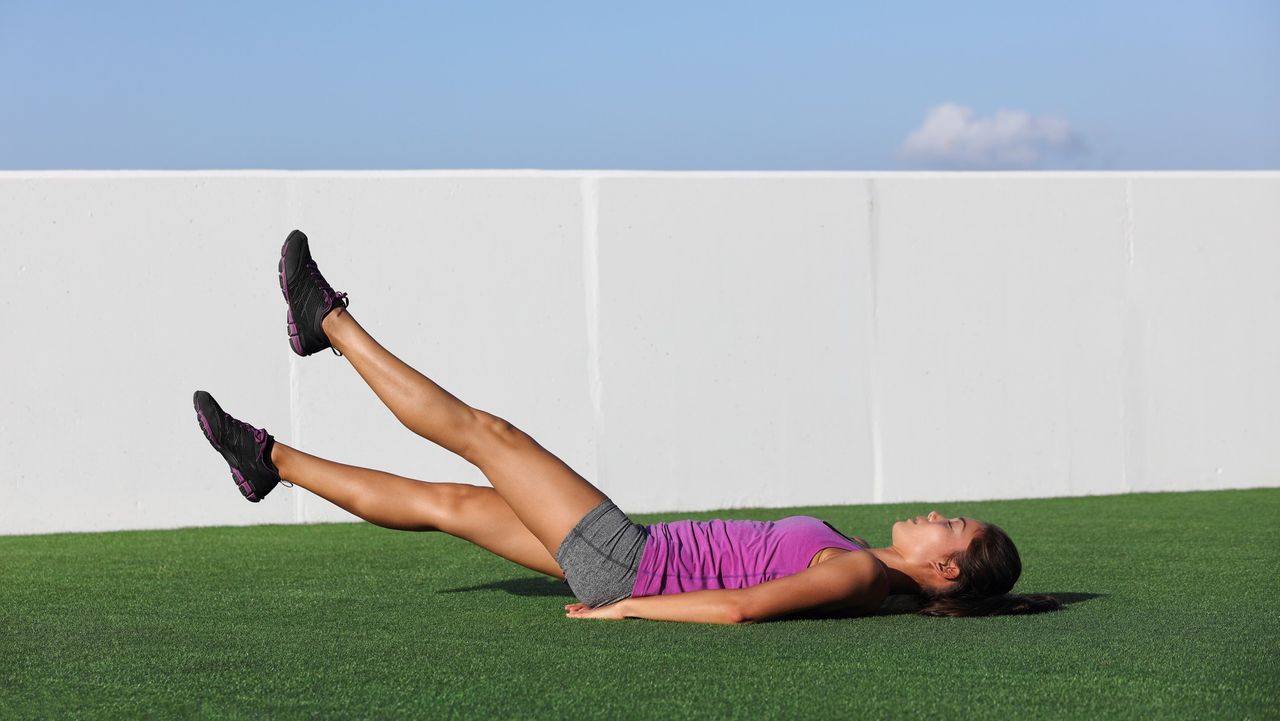
The journey to a stronger core often reveals unexpected challenges. A personal trainer, initially skeptical of Pilates, discovered the significance of core strengthening through the exercise known as flutter kicks. This revelation came after a week of daily practice, highlighting not only the physical demands but also the broader benefits of engaging the core.
Understanding Flutter Kicks
Flutter kicks are performed by lying on one’s back and lifting the upper body slightly off the ground while the legs hover just above the floor. This exercise is common in both mat and reformer Pilates routines and targets various muscle groups. While it primarily engages the abdominal muscles, including the transverse abdominis, flutter kicks also work the hips and lower body.
The effectiveness of flutter kicks lies in their ability to maintain constant tension in the core. It is imperative that participants focus on engaging their core throughout the movement, rather than relying on momentum. This exercise emphasizes the importance of a strong midsection, which contributes to overall stability, posture, and injury prevention.
Insights from a Week of Practice
After committing to flutter kicks every day for one week, several observations emerged. First, it became clear that flutter kicks are not merely an abdominal exercise. The core encompasses more than just the visible abdominal muscles; it includes the internal and external obliques, the pelvic floor, and other stabilizing muscles. This understanding is essential for anyone looking to improve their overall strength and mobility.
Throughout the week, the trainer found that their core endurance was tested significantly. Although accustomed to more explosive movements in CrossFit, the sustained effort required for flutter kicks was a new challenge. This highlights a key principle in fitness: strength in one area does not necessarily translate to endurance in another.
The mental aspect of performing flutter kicks also proved demanding. Maintaining proper form required focus on multiple factors, including breathing, core engagement, and alignment of the spine. As the trainer noted, the necessity to breathe properly while engaging the core is vital, as shallow breathing can detract from the effectiveness of the exercise.
Another notable benefit was the reduced strain on the back compared to traditional sit-ups. Flutter kicks allow for a stable back position, preventing excessive flexion and extension. This makes them a safer alternative for individuals concerned about back pain while still effectively engaging the core muscles.
While the week of flutter kicks brought noticeable improvement in core activation, it is essential to recognize that results vary based on individual fitness levels and routines. The trainer acknowledged that while they experienced delayed onset muscle soreness (DOMS), significant increases in endurance may require a longer commitment.
Ultimately, flutter kicks serve as an effective tool for activating deep core muscles and enhancing overall stability. However, they should be incorporated into a broader fitness regimen, such as yoga or weightlifting, to maximize their benefits. This week-long experience underscored the importance of a well-rounded approach to core training, emphasizing that true strength comes from a comprehensive understanding and engagement of all core components.