
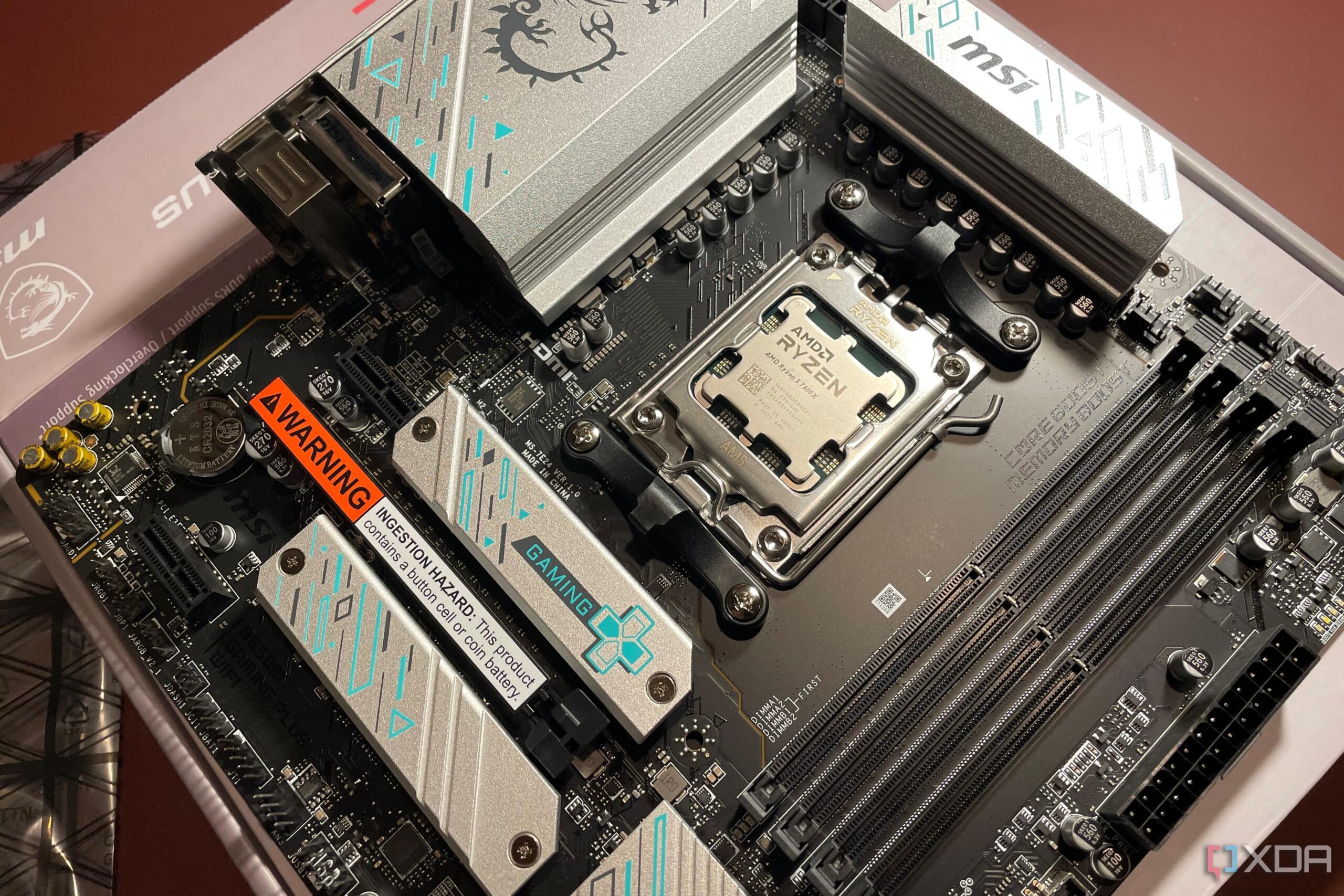
Consumers are increasingly drawn to high-priced gaming motherboards, often believing they are essential for optimal performance of advanced CPUs like the Intel i9 or AMD Ryzen 9. A recent analysis highlights that many of these premium boards, which can cost up to $450, may not offer significant advantages over more affordable options. In fact, both a $180 B-series motherboard and a $600 flagship model can run the same CPU at identical stock speeds.
The allure of gaming motherboards often comes from their flashy features, such as OLED screens, gold-plated audio jacks, and military-grade branding. These components can create the impression that they are critical for gaming performance. However, a deeper examination reveals that the actual performance differences may be negligible for most users.
Understanding Motherboard Necessities
While high-end motherboards boast advanced features, the reality is that they serve as a secondary component in the performance hierarchy. The primary role of a motherboard is to connect the CPU with other hardware components like RAM and storage devices. For average gamers and users, a motherboard’s basic functionality is often sufficient.
The focus on high-end motherboards can lead to unnecessary spending. For example, a gamer might purchase a motherboard with extensive features that they will not fully utilize, resulting in an inflated budget that could be better allocated towards other components, such as a more powerful graphics card or additional RAM.
Pricing trends in the motherboard market show a growing disparity between basic and premium models. As manufacturers compete for attention in the gaming sector, they often emphasize flashy designs and extensive features rather than practical performance improvements. This strategy targets consumers who may not fully understand the actual impact of these features on gaming or computing experiences.
Making Informed Choices
When considering a motherboard purchase, consumers should focus on their specific needs rather than marketing claims. Identifying the essential features required for one’s setup can help avoid overspending. Many users may prioritize features such as support for current RAM speeds or expansion capabilities rather than investing in luxury features that do not enhance overall performance.
For those looking to build a gaming rig, it is advisable to research and compare specifications rather than fall for marketing gimmicks. Reviews from credible sources can provide insights into the actual performance of different motherboard models. In many cases, a mid-range motherboard can deliver all the necessary performance without the added cost burden.
Ultimately, the motherboard should complement the overall system performance without unnecessarily inflating expenses. By making informed choices and focusing on essential features, consumers can maximize their investment in gaming technology while avoiding the pitfalls of high-priced motherboards.