
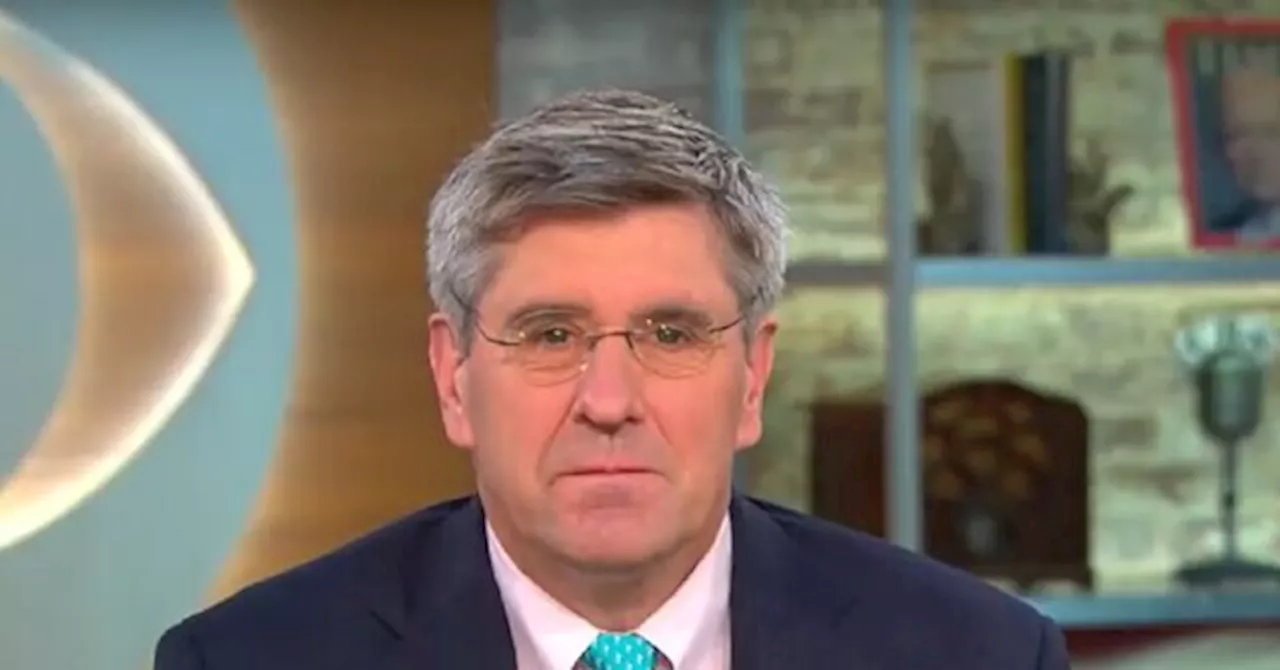
The U.S. Supreme Court recently ruled that President Donald Trump does not possess the authority to impose tariffs under the International Emergency Economic Powers Act. This decision has significant implications for the future of trade policy in the United States. Former economic adviser to Trump, Stephen Moore, expressed his views on CNN, highlighting the necessity of congressional approval for any tariff implementation.
Moore emphasized the constitutional requirement that tax bills, including tariffs, must originate in the House of Representatives. He stated that the president’s ability to raise tariffs is limited to specific circumstances such as national emergencies or national security threats. On the broadcast of CNN’s “The Lead,” Moore articulated his perspective by suggesting a hypothetical scenario involving Kamala Harris, stating that if she were president and proposed tariffs to address a climate crisis, it would likely not be well-received.
Implications of the Court’s Decision
Moore asserted that the Supreme Court made a prudent decision by reaffirming the need for congressional oversight in tariff matters. “If these tariffs are going to be imposed, the next step is to take it to the House and take it to the Senate and see if you can get the votes to do it,” he explained. He expressed skepticism regarding the likelihood of obtaining the necessary votes, indicating that this step is crucial for any future tariff actions.
In a broader context, the ruling serves as a check on executive power, reinforcing the notion that legislative bodies should hold significant authority over tax-related measures. Moore’s comments reflect a growing concern among some lawmakers and economists about the implications of unilateral tariff actions and their potential impact on international trade relationships.
The Supreme Court’s decision, rendered with a 6-3 majority, not only impacts the current administration’s trade agenda but also sets a precedent for how tariffs will be approached in the future. The ruling underscores the importance of democratic processes in economic decisions that can affect millions of citizens and businesses across the nation.
As the political landscape continues to evolve, the dialogue surrounding tariffs and trade policy is likely to intensify. Moore’s remarks on CNN serve as a reminder of the ongoing debates regarding executive authority and legislative responsibility in shaping economic policy.
The Supreme Court’s ruling marks a pivotal moment in U.S. trade policy, emphasizing the need for collaboration between branches of government to ensure that decisions made are in the best interest of the country as a whole.