
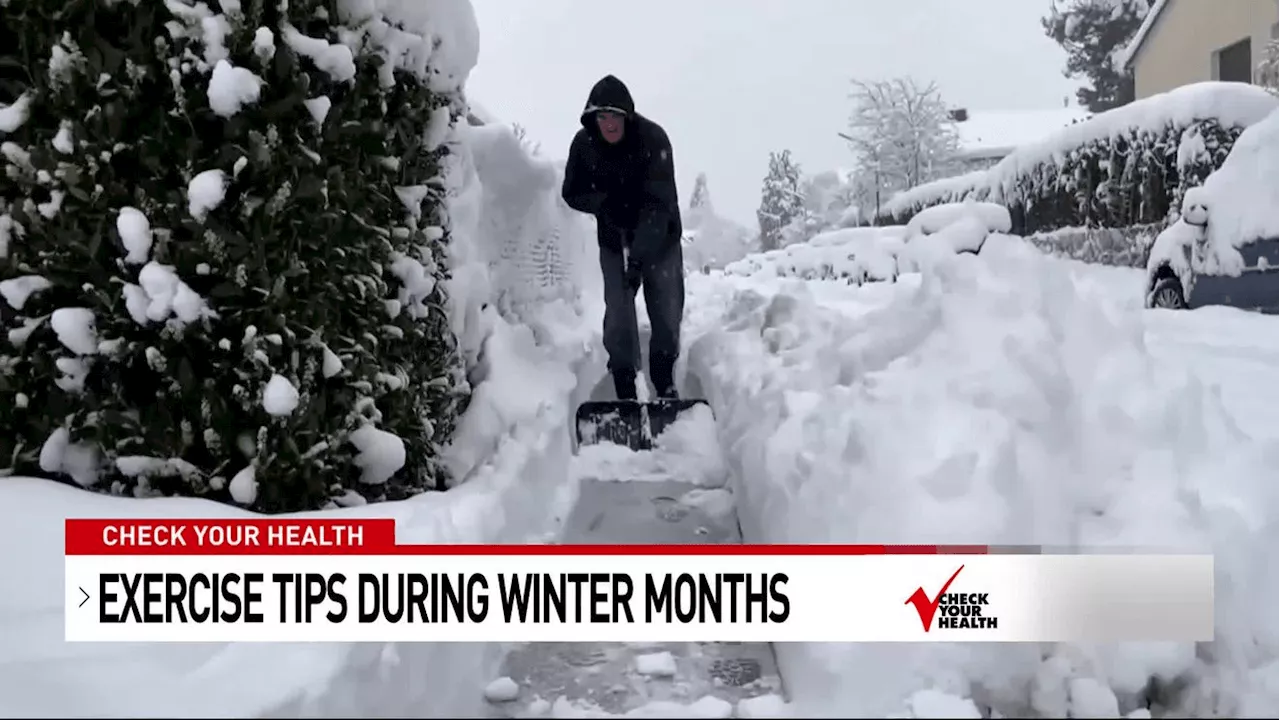
As winter settles in, many individuals prefer to stay indoors, retreating to the warmth of their homes rather than engaging in physical activity. The Utah Department of Health and Human Services emphasizes that maintaining an active lifestyle during these colder months is vital for overall health. Regular physical activity not only enhances physical fitness but also plays a critical role in improving mental well-being and reducing the risk of serious health conditions.
According to health guidelines, adults should aim for at least 150 minutes of moderate-intensity physical activity each week. Engaging in such activities can significantly decrease the risk of conditions like heart disease, type 2 diabetes, and certain cancers. It also contributes positively to mental health, helping to combat feelings of isolation and depression that may arise during winter.
Despite the challenges posed by snow, ice, and low temperatures, the right clothing and mindset can make outdoor exercise manageable. Dressing in layers is essential. This allows individuals to adjust to temperature changes as their bodies warm up during physical activity. Recommended layers include moisture-wicking base layers, insulating mid-layers, and weatherproof outer layers, along with hats, gloves, and appropriate footwear to prevent slips on icy surfaces.
Indoor Alternatives and Goal Setting
For those unable to venture outside, there are plenty of indoor options to stay active. Simple exercises such as squats, push-ups, or participating in online classes can keep individuals moving without needing to brave the cold. Additionally, walking inside shopping malls or community centers provides a safe space for physical activity.
To effectively plan a fitness routine, consider employing the FITT principle, which stands for Frequency, Intensity, Time, and Type. Frequency involves how often one takes part in physical activities each week, while Intensity refers to the level of effort put into each session. Time encompasses the duration of these activities, and Type describes the various forms of exercise undertaken.
Setting realistic and attainable goals is crucial. Gradually increasing the frequency, intensity, and duration of activities can help prevent injuries and ensure consistency. The goal is to engage in a mix of aerobic and muscle-strengthening activities, enhancing overall fitness while keeping the routine enjoyable.
In summary, winter does not have to hinder physical activity. By dressing appropriately for the weather and exploring both indoor and outdoor exercise options, individuals can maintain their health and well-being throughout the season. The benefits of staying active are profound, impacting both physical health and emotional resilience during the colder months.