
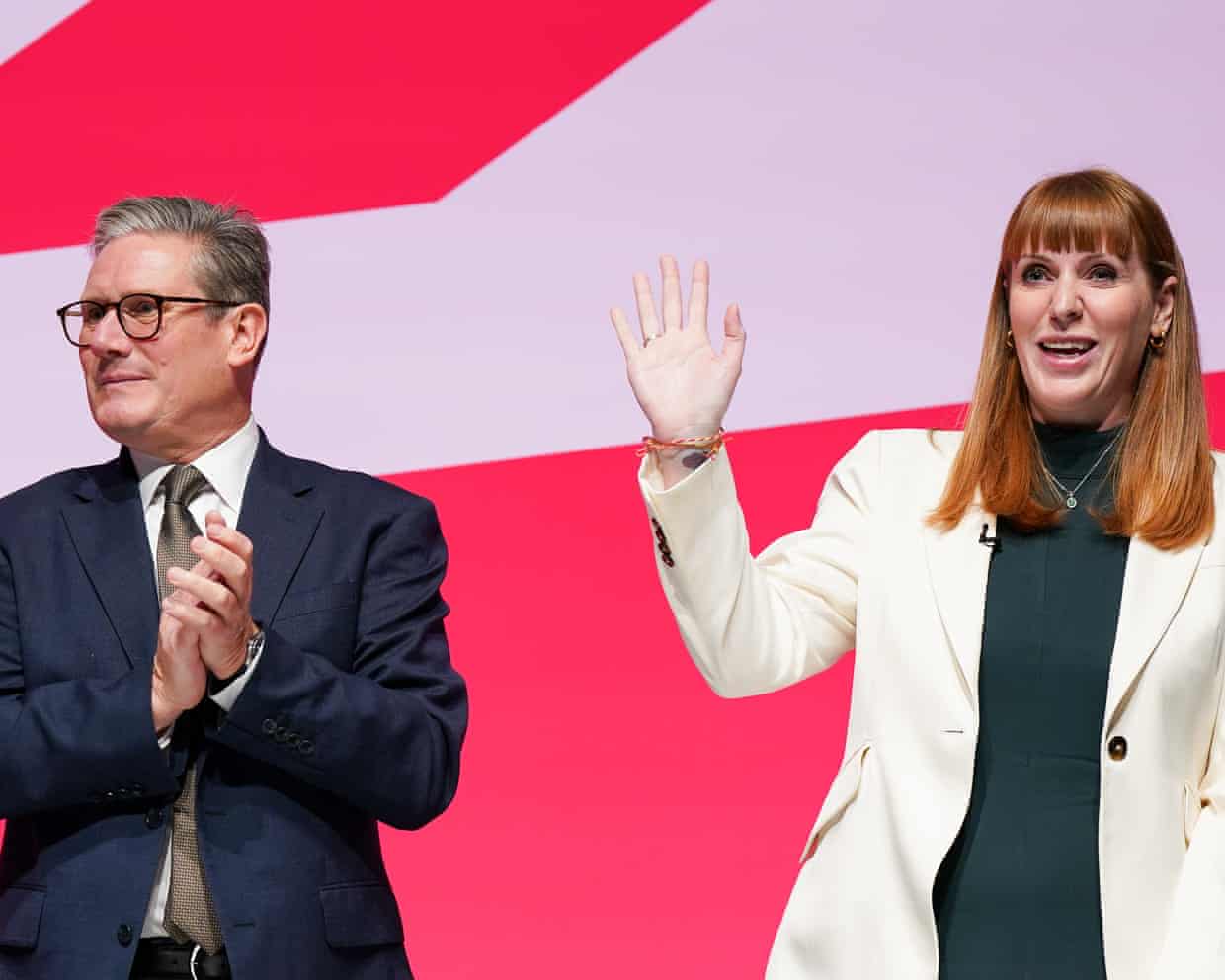
Keir Starmer, the leader of the Labour Party, announced that Angela Rayner will return to a prominent role within the party’s cabinet. This announcement marks a significant development in UK politics, as Rayner previously served as the party’s deputy leader and was a key figure in Labour’s strategy during recent elections.
During a press conference held on October 12, 2023, Starmer expressed confidence in Rayner’s abilities, stating, “She’s going to be a major voice in the Labour movement.” This statement not only signals Rayner’s reinstatement but also highlights Starmer’s intention to strengthen the party’s leadership as it prepares for future challenges.
Rayner’s return comes at a time when the Labour Party is looking to solidify its position in UK politics. Her experience and charisma have made her a popular figure among party members and the wider public. Starmer emphasized the importance of unity and collaboration within the party, suggesting that Rayner’s involvement would enhance Labour’s outreach and effectiveness.
Strategic Leadership Ahead of Elections
The timing of this announcement is crucial, as the Labour Party gears up for upcoming elections. Starmer’s leadership has faced criticism from various quarters, and the inclusion of Rayner is seen as a strategic move to galvanize support. Observers note that her history of advocating for working-class issues aligns well with Labour’s core values.
Starmer’s remarks also reflect a broader strategy to rejuvenate the party’s image following its recent electoral setbacks. By reinstating Rayner, he aims to reinvigorate grassroots support and appeal to a wider demographic. Her return could play a pivotal role in reshaping Labour’s narrative as it positions itself against the Conservative Party.
Rayner has previously held various cabinet positions and is known for her advocacy on education and social equality. Her reappointment is expected to resonate positively with voters who prioritize these issues.
Future Prospects and Challenges
As Rayner steps back into a key role, the Labour Party faces significant challenges ahead. The Conservative Party, currently in power, has been active in shaping public policy, and Labour must effectively counter these narratives to regain lost ground.
Political analysts suggest that Rayner’s strong communication skills and commitment to social justice could be instrumental in Labour’s strategies moving forward. Her ability to connect with local communities may also enhance the party’s grassroots efforts.
In conclusion, Angela Rayner’s return to the Labour cabinet represents a strategic shift for the party under Keir Starmer’s leadership. As they prepare for the impending electoral battle, her role will likely be vital in rallying support and addressing the pressing issues facing the UK.