
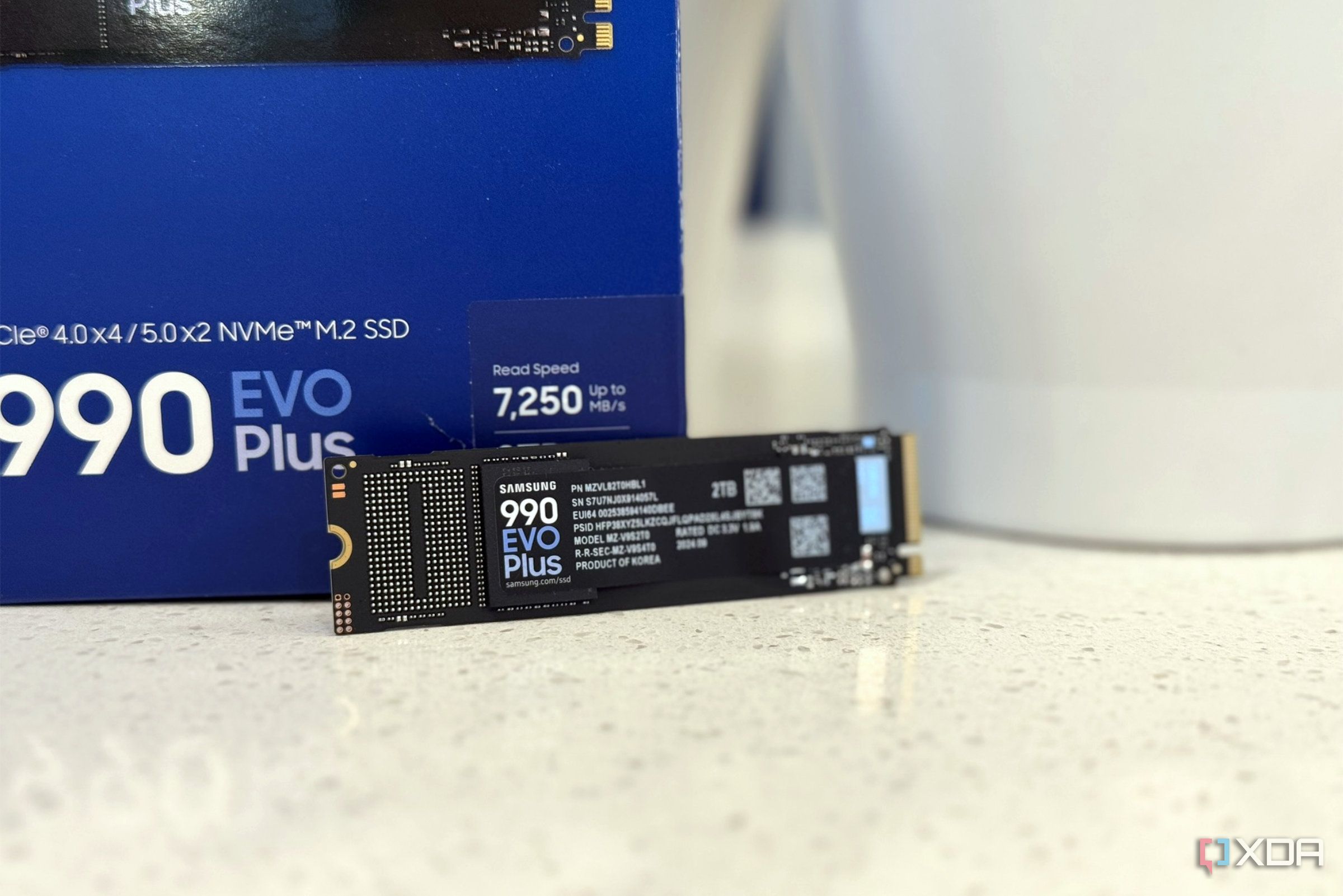
URGENT UPDATE: As consumers rush to upgrade their storage solutions, a new analysis reveals that sequential speeds are not the most critical factor when choosing an SSD. Instead, four essential features are set to redefine user experience and performance.
While high sequential speeds of up to 7,000 MB/s grab headlines, experts emphasize that everyday tasks depend more on random read/write performance, firmware quality, endurance, and thermal design. This shift in focus is crucial for anyone looking to enhance their PC experience in 2023.
The emphasis on random read/write speed is particularly urgent as it directly affects how quickly your system boots, launches applications, and handles multitasking. Unlike sequential speeds that measure large file transfers, random I/O performance dictates responsiveness during day-to-day tasks. A drive with superior random IOPS can significantly improve user experience, even if its peak sequential numbers seem modest.
Another critical factor is the firmware. The software that governs how an SSD operates can make a substantial difference. Well-optimized firmware extends the lifespan of the drive and maintains stable performance over years. Consumers are urged to choose SSDs from reputable vendors known for proprietary firmware that enhances drives’ efficiency and longevity.
Endurance is yet another essential specification, measured in terabytes written (TBW). Drives equipped with TLC NAND generally offer better performance and longevity compared to QLC NAND, especially in write-heavy scenarios. Consumers are encouraged to select drives that meet their workload needs, focusing on models with high TBW ratings.
Lastly, thermal design plays a pivotal role in performance, especially for NVMe drives. When temperatures exceed the operational threshold of 70-80°C, performance can plummet from advertised speeds to as low as 800–1,500 MB/s. Selecting SSDs with robust thermal management features is now more important than ever to ensure consistent performance.
Experts point out that while sequential speeds are often the selling point, they do not accurately reflect a drive’s overall performance and reliability. By prioritizing random I/O, firmware quality, endurance, and thermal management, users can secure a smoother and more responsive computing experience.
As the market evolves, consumers are advised to stay informed and make decisions based on these key features rather than just peak speeds. This approach will not only enhance daily user experience but also extend the lifespan and reliability of SSDs.
Stay tuned for more updates as the landscape of SSD technology continues to develop. Understanding these hidden performance indicators is essential for anyone looking to optimize their computing experience.