
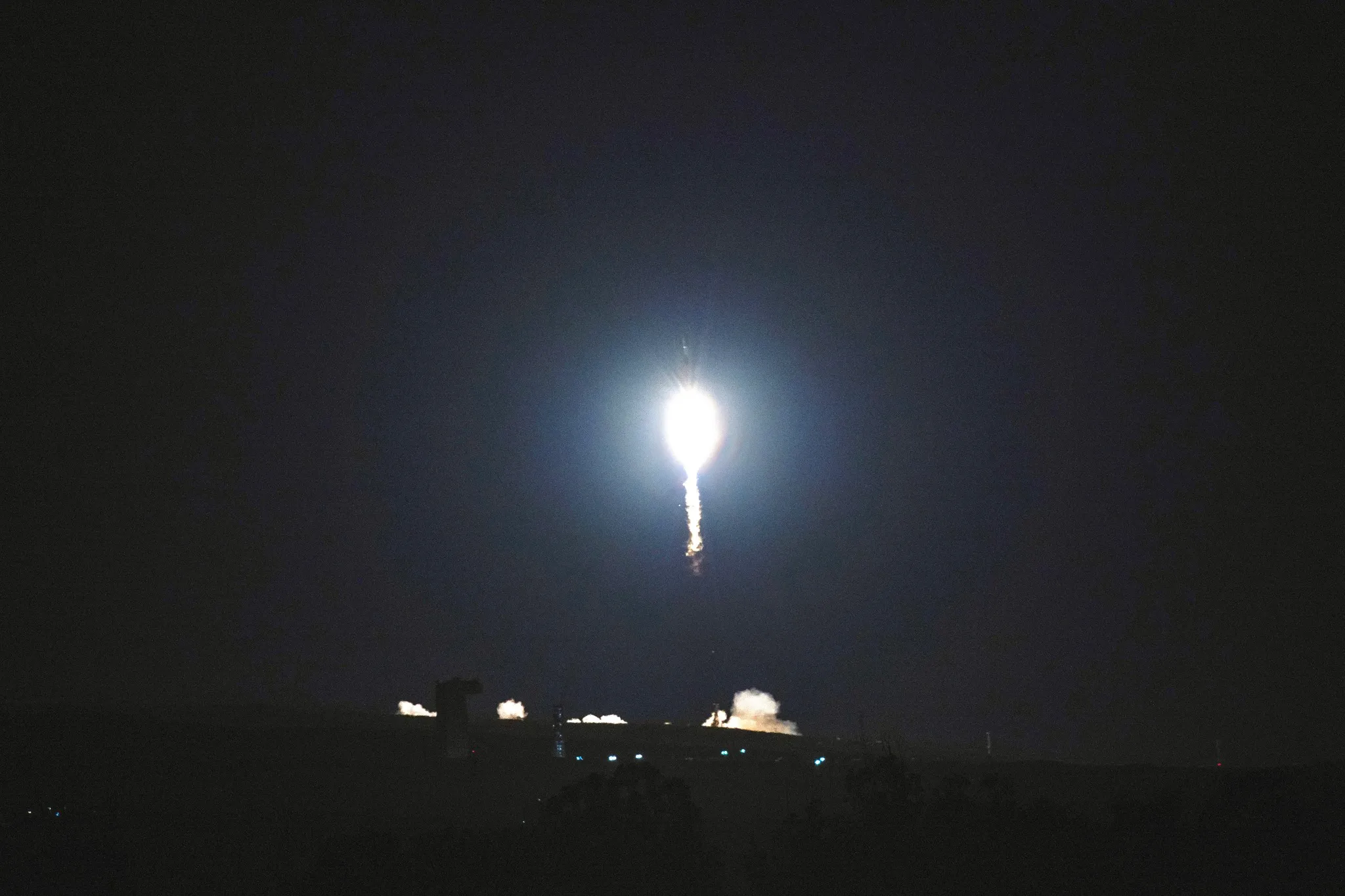
SpaceX is poised to launch its Falcon 9 rocket from the Vandenberg Space Force Base in Santa Barbara County, California, on March 6, 2024. The mission, which aims to deploy 25 Starlink satellites into low-Earth orbit, has a four-hour launch window that opens at 02:58 PT. This marks another attempt for the commercial spaceflight company, following a prior three-day postponement.
The launch will take place from Space Launch Complex 4-East (SLC-4E). As has become the norm, the Falcon 9 will ascend on a southern trajectory, allowing it to efficiently deliver the satellites. With Vandenberg being a military installation, public viewing is not available directly at the launch site. Nonetheless, clear conditions may enable onlookers to witness the event from multiple vantage points, including locations in Santa Barbara and Los Angeles.
For those wishing to catch the launch, the city of Lompoc in Santa Barbara County offers numerous excellent spots. The local tourism bureau, Explore Lompoc, has compiled a list of recommended viewing areas. Ventura County’s tourism bureau, Visit Ventura, and the San Luis Obispo County organization, SLO CAL, have also provided suggestions for optimal viewing locations nearby.
Local residents of Santa Barbara, San Luis Obispo, and Ventura counties can expect to hear sonic booms as the Falcon 9 ascends. SpaceX indicates that these thunder-like noises may last for up to ten minutes following liftoff, with initial sounds described as a low rumble during the rocket’s takeoff.
Once the Falcon 9 has completed its mission, the booster will attempt to land on a drone ship named “Of Course I Still Love You” stationed in the Pacific Ocean. This recovery process allows SpaceX to reuse boosters for future launches, reinforcing the company’s commitment to sustainable space exploration.
Founded by billionaire Elon Musk in 2002, SpaceX has established itself as a leader in commercial spaceflight. The company operates from its headquarters at Starbase in South Texas and has a robust portfolio of government contracts, providing launch services for both civil and military missions. The Falcon 9 rocket is frequently utilized for NASA missions, including transporting astronauts to the International Space Station.
SpaceX’s Starlink project, which consists of nearly 10,000 satellites, aims to provide global internet coverage. The satellites operate at an altitude of approximately 341 miles, significantly closer than traditional satellites, enhancing internet speed and accessibility. This capability is particularly crucial for reaching rural and underserved areas.
The Vandenberg Space Force Base, established in 1941, has transitioned from a military-only site to a hub for both civil and commercial launches. Managed by Space Launch Delta 30, the base supports various launch operations and missile tests, contributing to the ongoing evolution of space exploration.
As anticipation builds for the upcoming launch, observers are reminded to stay updated on any potential changes to the schedule due to weather or technical issues.