
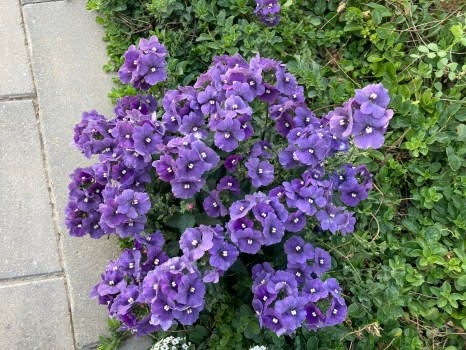
Southern California gardeners are turning to Cape jewels, known scientifically as Nemesia caerulea, for vibrant blooms that can brighten their gardens year-round. These perennial flowers thrive in the region’s climate, which mirrors that of their native South African Cape Floristic Province, although local summers tend to be hotter. While purple is the traditional color of the Cape jewels, gardeners can also find varieties in blue, lavender, and pink, all of which are celebrated for their intense fragrance.
In addition to Cape jewels, the gardening community is also exploring other native plants and vegetables that flourish in Southern California’s unique climate. For instance, while the California fan palm (Washingtonia filifera) is often regarded as the region’s sole native palm, the Guadalupe palm, native to the islands off the western coast of northern Baja California, also qualifies as a California native. This palm can grow to heights of up to 30 feet and produces edible fruit resembling dates, which becomes black when ripe. It is especially fruitful along the coast, where conditions are optimal.
Gardeners are encouraged to view lettuce not just as a food source but also as an ornamental element. With varieties available in shades of green, red, burgundy, and bronze, lettuce can add color and texture to any garden. By planting lettuces at three-week intervals, gardeners can ensure a continuous supply for salads. Harvesting young leaves is recommended, as they tend to be sweeter than older ones. Selecting heat-resistant varieties can help prevent bolting during hotter months.
Herbs are another focal point for gardeners. Yerba mate (Ilex paraguariensis) can be cultivated in areas where coffee thrives, making it a suitable choice for local growers. Popular in Argentina and gaining traction among caffeine enthusiasts worldwide, yerba mate can reach heights of three feet before leaves are harvested. Starter plants are readily available from various online vendors.
As gardening activities ramp up, it is crucial for gardeners to manage weeds effectively. Weeds can serve as compost but should be removed before they flower and produce seeds. The adage, “One year’s seeding makes seven years’ weeding,” highlights the importance of controlling weed populations. Care should be taken not to compost perennial weeds with invasive root systems, such as nutgrass and field bindweed, as these can proliferate throughout gardens.
With the right combination of native plants, vegetables, and herbs, Southern California gardeners can create vibrant and sustainable outdoor spaces. The ongoing popularity of Cape jewels and other local flora reflects a commitment to cultivating gardens that are not only beautiful but also well-suited to the region’s environmental conditions.