
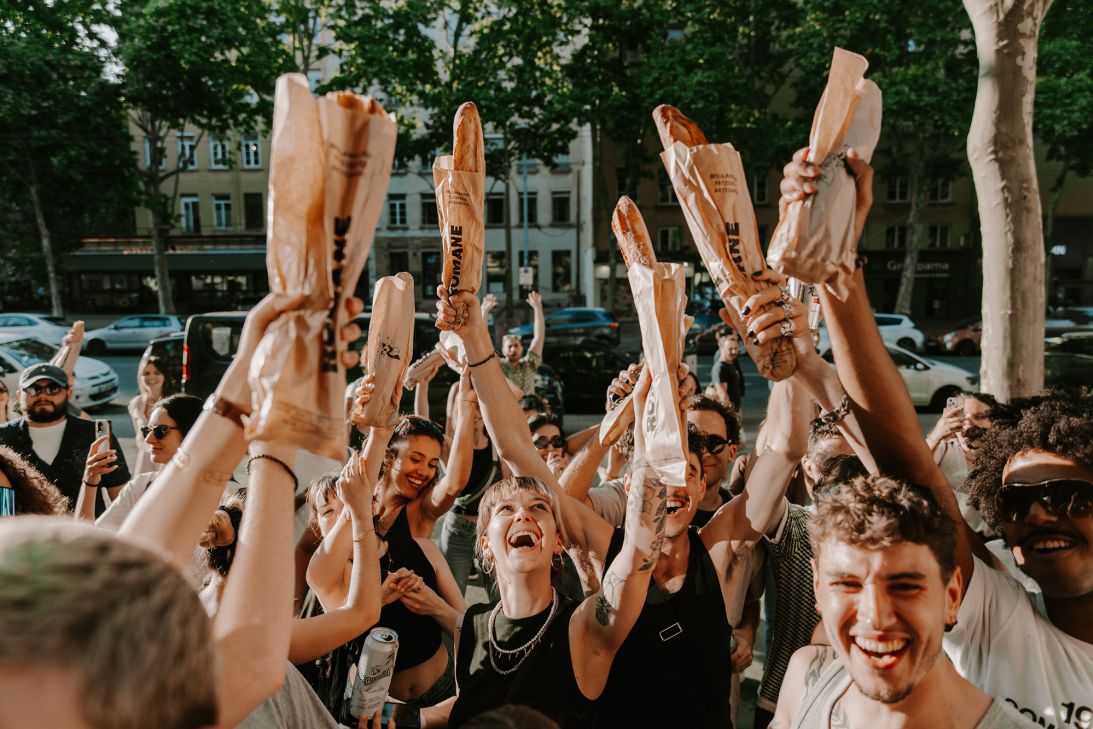
A growing aversion to alcohol is reshaping the global party scene, pushing events towards a more health-conscious direction. One notable shift is the rise of sober raves, such as the Coffee Rave hosted by the Seoul Morning Coffee Club. Launched in May 2023, this event has attracted hundreds of attendees, showcasing a trend that reflects changing attitudes towards nightlife.
On a Saturday morning in October, Park Jihyun, a 29-year-old from Seoul, began her day unlike most partygoers. Instead of the typical club attire, she opted for running tights and shoes, jogging five miles to the venue in Yongsan-gu. The event, which starts at 7 a.m., features an enthusiastic crowd dancing to energetic beats fueled solely by caffeine. “It’s just random people who meet for the first time. But as we start dancing together, it becomes crazier as time flies,” Park shared.
The Seoul Morning Coffee Club’s Coffee Rave charges 20,000 won (approximately $14) for entry, providing a unique platform for socializing without the influence of alcohol. Attendees order drinks like iced Americanos or matcha, creating a vibrant atmosphere free from traditional nightlife’s excesses. According to founder Park Jae-hyun, the event offers a “fresh start to the day,” emphasizing that excitement can exist without alcohol.
The concept of sober raves is not entirely new, with organizations such as Daybreaker in New York and Morning Gloryville in London paving the way over the past decade. However, the recent surge in popularity has seen these events transition into community spaces like coffee shops and bakeries worldwide, challenging the conventional clubbing experience.
Global Movement Towards Sober Socializing
This cultural shift has resonated particularly with younger generations, including Gen Z and Millennials, who are increasingly prioritizing their health and well-being. For instance, the bakery rave phenomenon began in Paris with Alexis Duvivier, also known as Aazar, who combined his love for music and French baked goods in 2019. His inaugural event at The French Bastards featured free pastries alongside live DJ performances, creating a unique visual experience that quickly captured attention on social media.
While Duvivier’s intention was to celebrate his music, the movement has evolved beyond his original vision. He now hosts events across Europe, illustrating a broader societal trend towards seeking genuine connections in a post-pandemic world. “I want to help Koreans have a freer life,” Park stated, addressing the mental health challenges prevalent in South Korea, where the suicide rate remains the highest among OECD countries, standing at 23 per 100,000 people in 2023.
In a society marked by intense competition and long work hours, younger South Koreans are increasingly rejecting traditional norms. They seek community through events like the Coffee Rave, which not only provide an outlet for self-expression but also create safe spaces for social interaction. Participants range from families with young children to older adults, fostering an inclusive environment.
The Future of Daytime Parties
Similar trends are emerging in cities like London and Toronto. In London, DJs Manpal Bhullar and Vishal Kamle have introduced sober daytime raves at coffee shops, catering to a demographic that favors socializing without the late-night chaos. “I’m at that age where I don’t want to be out until the early morning,” Kamle noted, highlighting a common sentiment among young Britons.
A report from the Night Time Industries Association UK indicates that 61% of young respondents have been going out less frequently due to financial pressures and safety concerns. This disillusionment with traditional nightlife has opened the door for innovative alternatives like sober raves.
In Toronto, the emergence of the Coffee Party has attracted individuals seeking a community aligned with their lifestyle choices. Matthew Campoli, co-founder of The Coffee Party, believes the shift reflects a growing desire for authentic connections, especially after the isolation of the pandemic. Attendees like Franklin Vaz, who quit alcohol but still enjoys music, find motivation and companionship at these events, highlighting the potential for personal growth within this new party landscape.
As sober raves continue to gain momentum across the globe, they represent not just a shift in nightlife preferences but also a broader cultural movement towards prioritizing health, connection, and self-acceptance. With the success of events like the Coffee Rave, it seems that the future of partying may be less about indulgence and more about community and well-being.