
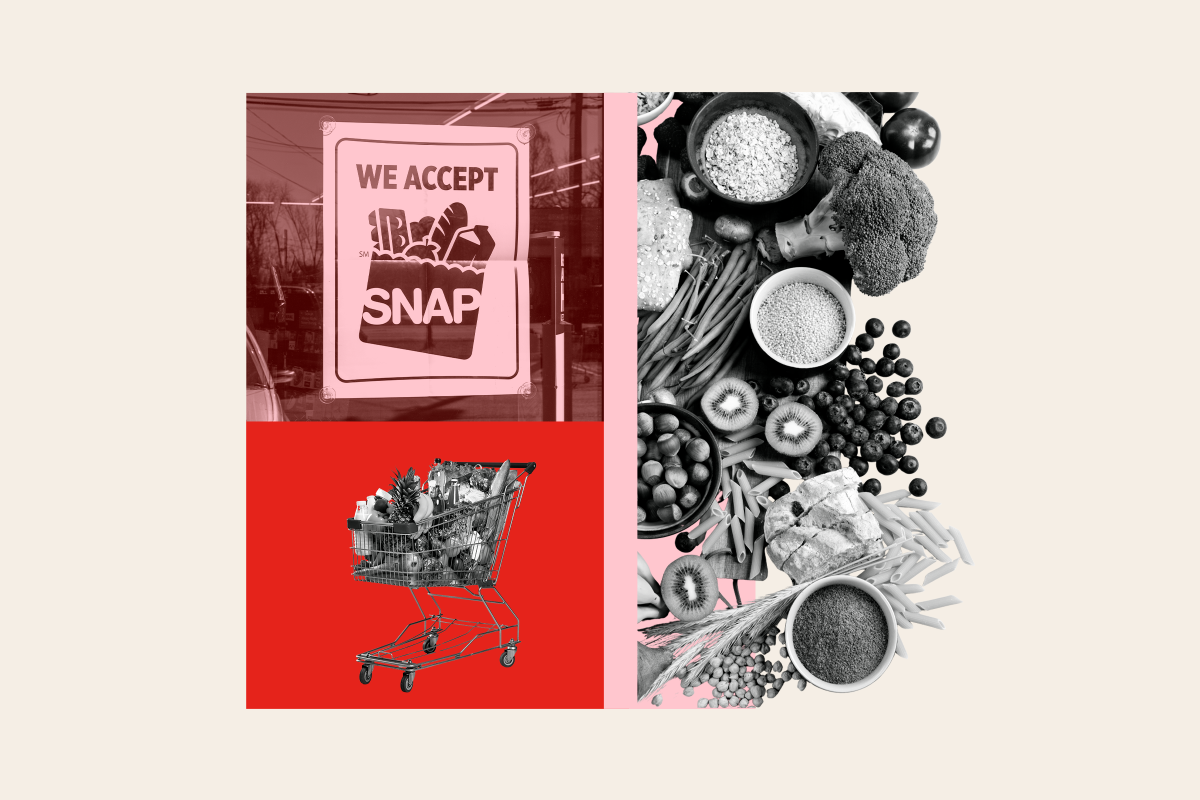
UPDATE: Significant changes to the Supplemental Nutrition Assistance Program (SNAP) are confirmed for 2026, impacting millions of beneficiaries across the United States. With 42 million low- and no-income individuals relying on this crucial assistance, the new regulations will introduce a ban on junk food purchases in 18 states starting in January 2026.
This drastic shift follows an initiative by several Republican-led states and the federal government to promote healthier eating habits among SNAP recipients. The states enacting these changes include Arkansas, Colorado, Florida, Hawaii, Idaho, Indiana, Iowa, Louisiana, Missouri, Nebraska, North Dakota, Oklahoma, South Dakota, Tennessee, Texas, Utah, Virginia, and West Virginia.
Agriculture Secretary Brooke Rollins stated, “President [Donald] Trump has made it clear: we are restoring SNAP to its true purpose—nutrition.” This statement underscores the administration’s commitment to fighting food insecurity while pushing for healthier dietary choices among beneficiaries.
The junk food ban specifically targets items high in calories but low in nutritional value, including sugary drinks and sweets. Implementation dates will vary by state, with some enforcing these bans as early as January 2026. The uncertainty remains about whether more states will adopt similar restrictions.
Additionally, SNAP work requirements are witnessing a significant overhaul due to the passage of the One Big Beautiful Bill Act earlier this year. The new regulations will tighten conditions for able-bodied adults without dependents (ABAWDs), requiring them to work or engage in job training for at least 20 hours per week to maintain their benefits.
Changes to the exemptions under the ABAWD policy are particularly notable. The upper age exemption will now extend to adults up to age 65, while the caregiving exemption has been narrowed to only include parents or guardians of children under 14. The removal of exemptions for homeless individuals, veterans, and young adults aging out of foster care is especially concerning for advocates, who warn it could lead to “fewer meals, increased risk of malnutrition, and greater stress” for those already in unstable situations.
In November, Rollins announced a nationwide effort for all SNAP recipients to reapply for benefits to combat fraud and abuse in the program. Minnesota will serve as the first state to participate in this pilot program, prompting concerns following the conviction of over 60 individuals involved in a massive fraud case during the pandemic.
As these changes approach, recipients and advocates are bracing for potential disruptions. Brittany Christenson, CEO of AidKit, emphasized that these adjustments could lead to “unnecessary confusion and disruption,” further burdening a system already under strain.
The rollout of these new regulations begins in just a few weeks, and the impact will be felt immediately by millions of Americans. As the situation develops, SNAP beneficiaries and advocates alike must stay informed about how these changes will affect their access to essential food assistance.
Stay tuned for ongoing updates as more information becomes available about the implementation of these crucial changes to SNAP.