
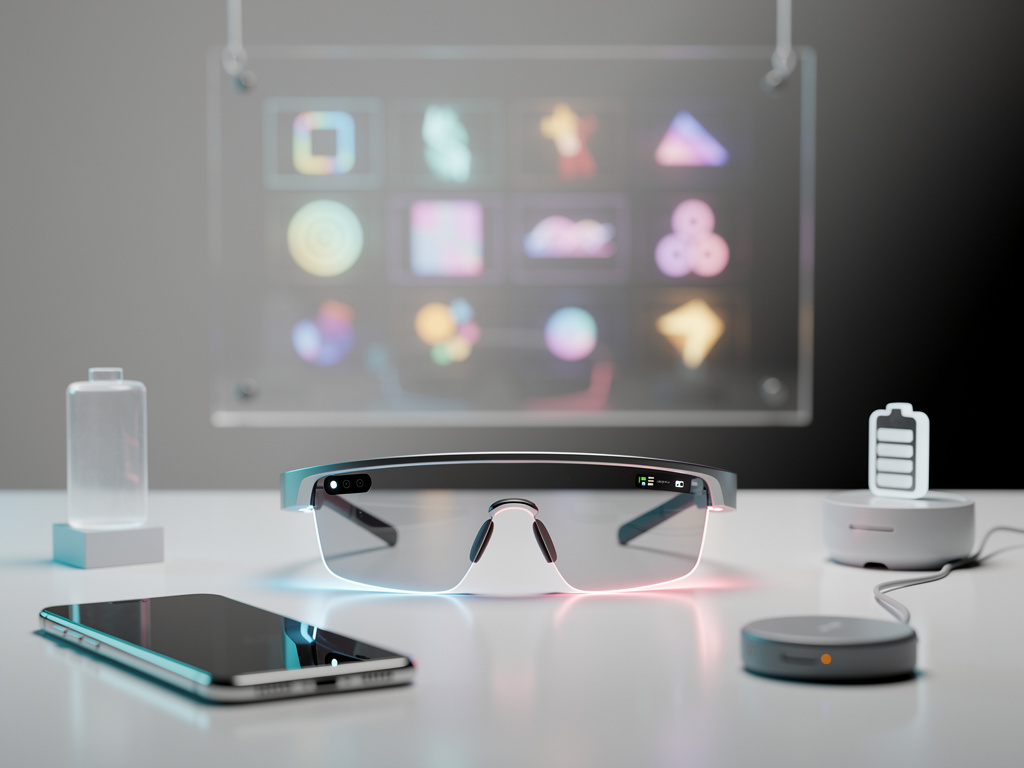
UPDATE: Smart glasses are revolutionizing TikTok content creation as of 2025, allowing users to capture and share videos hands-free. This urgent shift is changing how millions engage with the platform, responding to increasing demands for authentic, real-time content.
The rise of this technology follows a tumultuous history, with previous models like Google Glass facing backlash due to privacy concerns. However, leading brands such as Meta and Rokid are now introducing sleek designs that seamlessly integrate with TikTok, making content creation faster and more intuitive than ever.
Ray-Ban Meta Smart Glasses have gained traction, enabling users to record point-of-view footage effortlessly, syncing directly to social feeds. Recent data indicates a 40% increase in point-of-view videos on TikTok, attributed largely to these innovative devices. Creators can now film while walking, cooking, or dancing, capturing genuine experiences that resonate with audiences.
Notably, Rokid’s latest smart glasses feature multiple camera aspect ratios optimized for social media, eliminating the need for time-consuming cropping. As highlighted by Gizmodo, the glasses streamline the posting process, drastically enhancing user experience.
Innovations also include AI-driven features that enhance creativity. Real-time overlays provide subtitles and effects, turning solo creators into polished producers. Users are thrilled, with influencers sharing HD video directly from their glasses on TikTok, fostering a surge in creative content.
As the trend gains momentum, adoption rates soar among Gen Z and millennial creators. Many now view smart glasses as a vital tool for immersive content creation. The stigma from past failures has faded, and users are excited to post content that feels like a window into their world, significantly boosting engagement metrics.
Style remains a crucial factor. The latest trends on TikTok emphasize fashionable frames, blending aesthetics with functionality. Popular hashtags like #TikTokGlassesTrend showcase oversized or sustainable designs that serve as smart devices, appealing to eco-conscious creators.
Accessibility features are also expanding the user base. AI-powered glasses provide real-time captions for the deaf or hard of hearing, making TikTok more inclusive and inspiring content around these innovations.
However, the rise of smart glasses isn’t without challenges. Privacy concerns persist, with built-in cameras raising alarms over unsolicited recordings. Regulators are closely examining how these devices handle data, especially concerning TikTok’s algorithms.
Battery life and comfort are additional pain points, though improvements are being noted. Recent updates from brands like Meta have enhanced endurance, allowing hours of use. User feedback highlights seamless streaming capabilities to various platforms, including OnlyFans, underscoring the technology’s versatility.
The competitive landscape is heating up, with Meta’s partnership with Ray-Ban positioning it as a leader. Newcomers like Rokid are challenging with affordable options. Industry reports indicate that smart glasses shipments have doubled in 2025, fueled by social media tie-ins.
Looking ahead, the implications for social media ecosystems are significant. Users are now streaming to multiple sites simultaneously, redefining content strategies and making smart glasses essential for influencers. Health and wellness integrations, such as UV protection, further enhance their appeal, especially for outdoor creators.
Despite some critics arguing that reliance on these devices might dilute creativity, advocates believe they empower users, particularly those with disabilities. The technology is fostering innovative user experiences, such as live streaming from glasses that provide unfiltered glimpses into daily life.
As 2025 draws to a close, smart glasses stand at the forefront of a content creation revolution. They promise to make TikTok posting not just faster but fundamentally more engaging for creators worldwide. With ongoing innovations, the line between observer and participant in social media continues to blur, heralding an era where technology truly sees through our eyes.
Stay tuned for further developments as this exciting trend unfolds.