
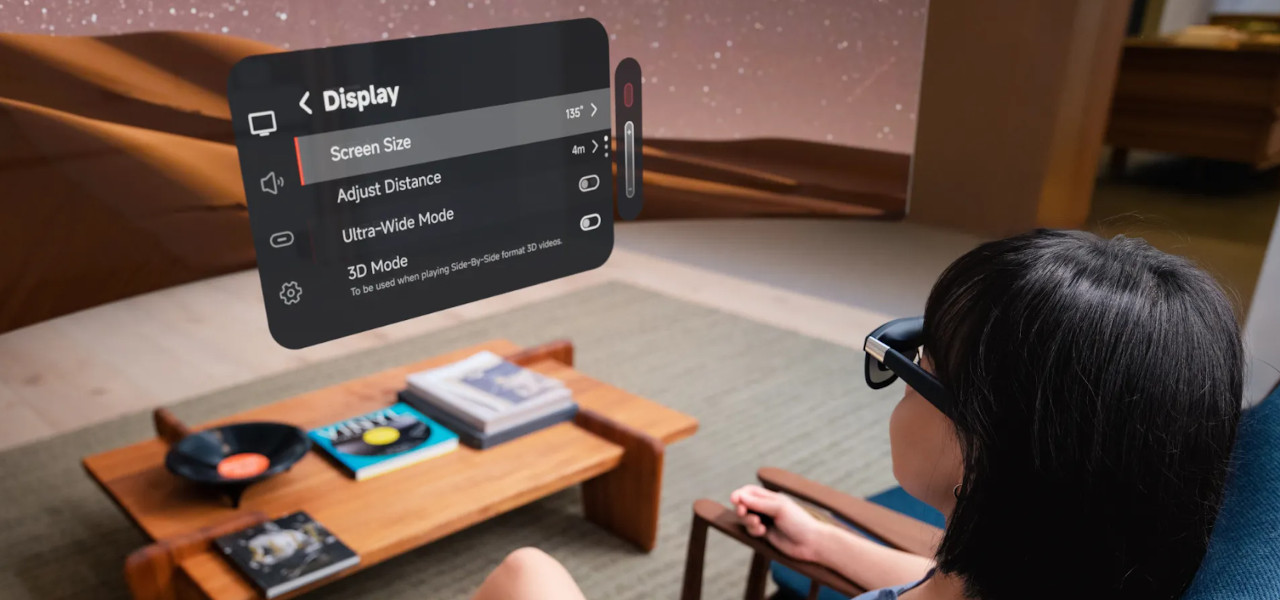
The future of smart glasses is under scrutiny as experts debate the technology’s potential and consumer readiness. In an article by Alfred Poor published in IEEE Spectrum, the question is posed: what do consumers truly want from smart glasses? Since the launch of Google Glass in 2012, the market has struggled to identify a compelling use case that resonates with users.
With the rise of augmented reality (AR) and advancements in artificial intelligence (AI), the landscape appears to be shifting. Current developments showcase two noteworthy contenders: One Pro from Xreal based in Beijing, and AI Glasses from Halliday in Singapore. Each product embodies different design philosophies, reflecting the diverse directions the market may take.
Two Competing Visions in Smart Glass Technology
The contrasting approaches of these companies suggest a broader evolution in the realm of smart glasses. While Xreal emphasizes a sleek and minimalist design, Halliday focuses on integrating AI capabilities to enhance user interaction and functionality. This divergence highlights the ongoing experimentation in finding the right combination of aesthetics and practicality for smart glasses.
In discussing the future of this technology, Louis Rosenberg, CEO and chief scientist of Unanimous AI, expresses a bold prediction. He asserts that within five years, immersive AI-powered glasses could supplant smartphones as the primary mobile device in people’s daily lives. Such a seismic shift would redefine how individuals interact with technology and access information.
The Challenge of Consumer Acceptance
Despite the excitement surrounding new innovations, the question remains: are consumers ready to embrace the concept of wearing a computer screen on their faces? The public’s reaction to promotional materials, such as those provided by Halliday, reveals a mix of curiosity and skepticism. Many users are intrigued by the possibilities of augmented reality but are also wary of privacy concerns and the practicality of smart glasses in everyday life.
While predicting the future is inherently complex, the dialogue around smart glasses is vibrant and evolving. The technology’s potential to change how we communicate, work, and view the world is immense.
For those interested in exploring this topic further, IEEE Spectrum offers insights on related innovations, including a focus on smart glasses that can detect various environmental factors and the launch of open-source operating systems designed for cross-compatibility in smart eyewear.
The conversation about smart glasses continues to be a hot topic in technology circles. As advancements unfold, it remains to be seen how consumer acceptance will shape the future of this intriguing device.