
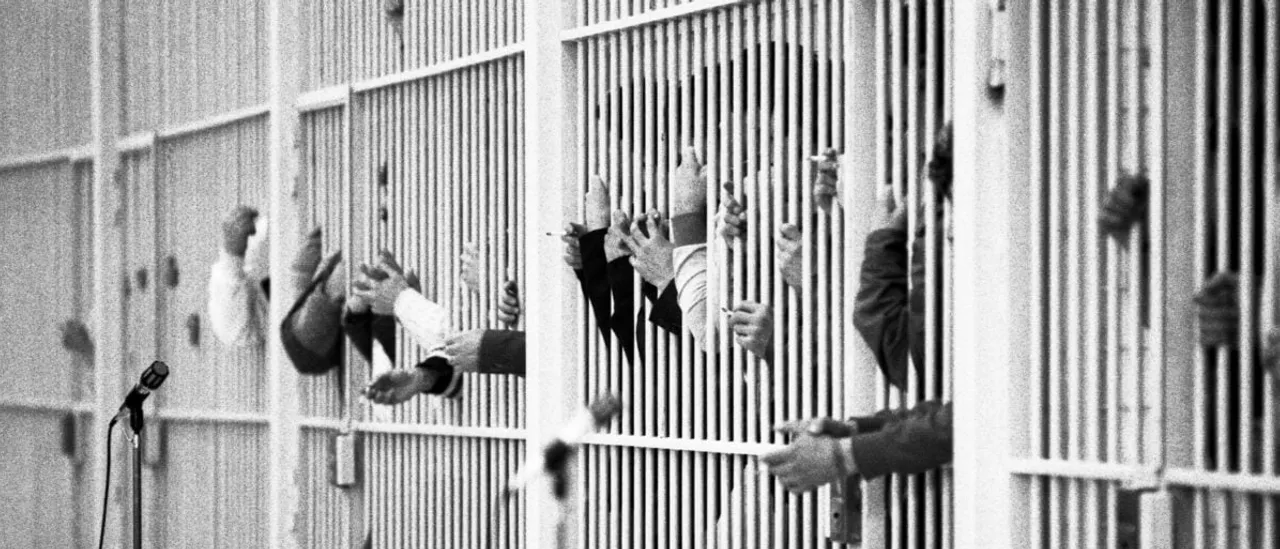
Across the globe, numerous faith leaders have faced persecution, including imprisonment, for their beliefs and practices. As 2026 approaches, seven influential Christian leaders remain behind bars, often with little hope of release. Their cases highlight the ongoing struggles for religious freedom in various countries.
Pastor Mingri “Ezra” Jin’s Arrest in China
In October 2025, Pastor Mingri “Ezra” Jin, the founder of one of China’s most prominent house churches, was arrested during a significant crackdown on Christianity by the Chinese Communist Party (CCP). Alongside 30 other pastors, Jin’s detainment marked the most extensive assault on Christian leadership in nearly a decade. His daughter informed Reuters that Jin, who has diabetes, faces charges of “illegal use of information networks” after leveraging Zoom sermons during the pandemic to grow his congregation to approximately 5,000 regular worshippers across nearly 50 cities.
If convicted, he could face up to seven years in prison. Jin’s daughter spoke at a November congressional hearing focusing on religious freedom abuses in China, where U.S. Secretary of State Marco Rubio called for her father’s release.
Ukrainian Orthodox Church Leaders Under Fire
In Ukraine, the situation is similarly dire for members of the Ukrainian Orthodox Church (UOC). Metropolitan Arseniy, abbot of the Sviatohirsk Lavra monastery, has been detained without bail since April 2024. He was charged following a sermon in which he criticized Ukrainian checkpoints that restricted access for UOC pilgrims. The authorities accused him of “dissemination of information on the movement or location of the Armed Forces of Ukraine.”
Metropolitan Arseniy’s health has reportedly declined due to alleged inhumane treatment during his confinement. He has conveyed to the Daily Caller, “Banning our church brings us no nearer to peace or security. It only sows division.”
In stark contrast, Russian Pentecostal pastor Nikolay Romanyuk was sentenced to four years in a labor camp after delivering a sermon titled “Not Our War.” His message, which condemned killing regardless of orders, directly opposed statements made by Patriarch Kirill of the Russian Orthodox Church, who justified military actions.
Long-Term Detention in Eritrea
Haile Naizghe, the chairman of the Full Gospel Church of Eritrea, has now spent more than 21 years in detention without trial. His imprisonment makes him one of the longest-serving religious prisoners of conscience worldwide. Naizghe is believed to be held in a maximum-security facility along with six other pastors. Eritrea, ranked sixth on Open Doors’ World Watch List for the most dangerous countries for Christians, does not recognize Christian denominations outside the Catholic, Orthodox, and Lutheran churches.
Naizghe was arrested in 2004 while applying for national recognition for his network of 150 house churches. Since then, he has faced severe conditions, highlighting the risks faced by unrecognized religious groups in Eritrea.
Religious Freedom Challenges in Vietnam and Cuba
In Vietnam, missionary Ksor Ruk has been imprisoned since 2018 after being accused of “undermining the state’s unity policy.” Ruk, who previously served six years for similar charges, is currently serving a ten-year sentence. His case underscores the Vietnamese government’s ongoing crackdown on religious practices among ethnic minorities, particularly the Montagnard Christians.
In Cuba, Loreto Hernández García and his wife, Donaida Pérez Paseiro, remain in a maximum-security prison, separated from their children. García received a seven-year sentence for participating in a peaceful human rights protest, while Paseiro was sentenced to eight years for “attacking” authorities. Reports from the U.S. Commission on International Religious Freedom indicate that both have endured physical abuse and denied medical treatment while in custody.
Paseiro was released briefly in January 2025 but was rearrested in June after continuing to voice criticism against the government.
These cases reveal the harsh realities faced by religious leaders advocating for their faith in environments hostile to their beliefs. Efforts to promote religious freedom continue, yet the plight of these leaders serves as a reminder of the broader challenges that many still face worldwide.