
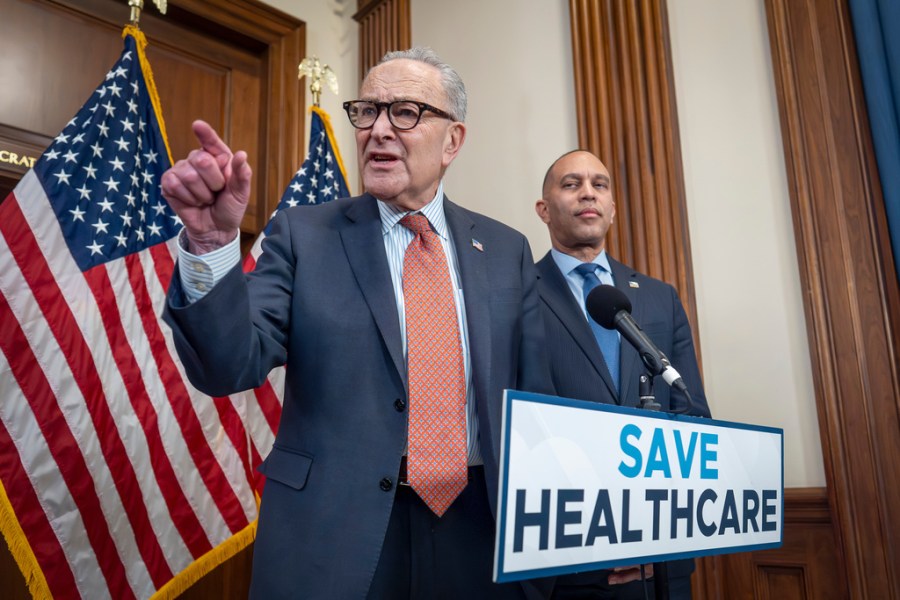
After a lengthy government shutdown lasting 43 days, eight Democratic senators have joined their Republican colleagues to support a bill aimed at extending enhanced tax credits for the Affordable Care Act (ACA). This legislation seeks to preserve critical financial assistance for individuals purchasing health insurance, with the current credits set to expire on December 31, 2025. Despite this bipartisan action, the broader issue of soaring health insurance costs remains unresolved.
The decision to support the Republican bill underscores a growing recognition among lawmakers that affordable health insurance is a pressing concern for many Americans. The enhanced tax credits introduced under the ACA have played a significant role in reducing premiums and expanding coverage for millions. According to the Centers for Medicare & Medicaid Services, nearly 14 million people benefited from these credits last year, making health care more accessible for low- and middle-income families.
While the extension of these tax credits represents a step forward, it does not address the fundamental challenges associated with high health care costs. Critics argue that merely extending financial assistance does not solve the underlying issues, such as rising premiums and out-of-pocket expenses that continue to burden consumers. The debate around health care affordability highlights the ongoing struggle in Congress to find comprehensive solutions that would ensure equitable access to medical services.
As discussions evolve, experts emphasize the importance of targeted reforms that go beyond tax credits. Potential measures include regulating pharmaceutical prices, improving transparency in medical billing, and incentivizing preventive care to reduce long-term costs. The ongoing negotiations among lawmakers could shape the future of health care in the United States, determining how effectively the government can address the affordability crisis.
In the wake of the shutdown, the cooperation among senators from both parties signals a willingness to collaborate on health care issues, even as partisan divisions remain evident. The support for the bill may reflect a strategic move by some Democrats to secure benefits for their constituents while navigating a complex political landscape.
In summary, the recent bipartisan vote to extend ACA tax credits is a significant development in the ongoing dialogue about health care affordability in the United States. While the extension provides temporary relief, lawmakers must confront the deeper issues that contribute to the high cost of health insurance and care to create lasting solutions for the American public.