
On March 3, 2026, a vote in the U.S. Senate regarding a War Powers Resolution intended to limit military action against Iran did not receive enough support, as the Republican majority blocked its advancement. The resolution aimed to address concerns over President Donald Trump‘s ongoing military actions, which have been conducted without congressional approval, thus raising constitutional questions. The vote concluded with 47 senators in favor of the resolution and 53 opposing it, reflecting a division largely along party lines.
The push for the resolution was framed by Democratic senators as not only a necessary step to halt what they termed an unauthorized war but also a means to inform voters about their representatives’ positions on the issue. Senate Minority Leader Chuck Schumer emphasized the importance of this vote, stating, “Today every senator, every single one, will pick a side: Do you stand with the American people who are exhausted of forever wars in the Middle East?”
Senator Tim Kaine of Virginia, who authored the resolution, expressed his frustration regarding the lack of debate and congressional oversight when it comes to military engagements. He stated, “We can’t afford to hide under a desk and let any president, Democrat or Republican, send our best and brightest into war to risk their lives unless we have debated it.”
In response to the vote’s outcome, Cavan Kharrazian, Senior Policy Advisor for Demand Progress, criticized the senators who opposed the resolution. He remarked, “The American people will remember who voted to continue an illegal, unnecessary war,” underscoring the sentiment that the opposition to the resolution contradicted public opinion and the safety of military personnel.
Despite the Senate’s failure to pass the resolution, the administration’s military actions in Iran have continued to provoke significant public and political backlash. Although Trump has not formally declared war, he has referred to the military operations as a war, indicating a willingness to escalate military engagement.
The War Powers Resolution of 1973 requires the President to seek congressional authorization for military action, except in cases of direct threats to the U.S. or its forces. The resolution states that the President’s powers as Commander-in-Chief can only be exercised with a formal declaration of war, specific statutory authorization, or a national emergency created by an attack on the United States. Critics argue that the Trump administration has failed to provide adequate justification for its military actions against Iran.
In a recent letter to Congress, the administration cited a “responsibility to protect Americans and United States interests” but did not specify any imminent threat, which is a requirement under the War Powers Resolution. The administration’s narrative has shifted rapidly since the start of military operations, with officials attempting to justify actions based on unverified claims of impending attacks and the need for regime change.
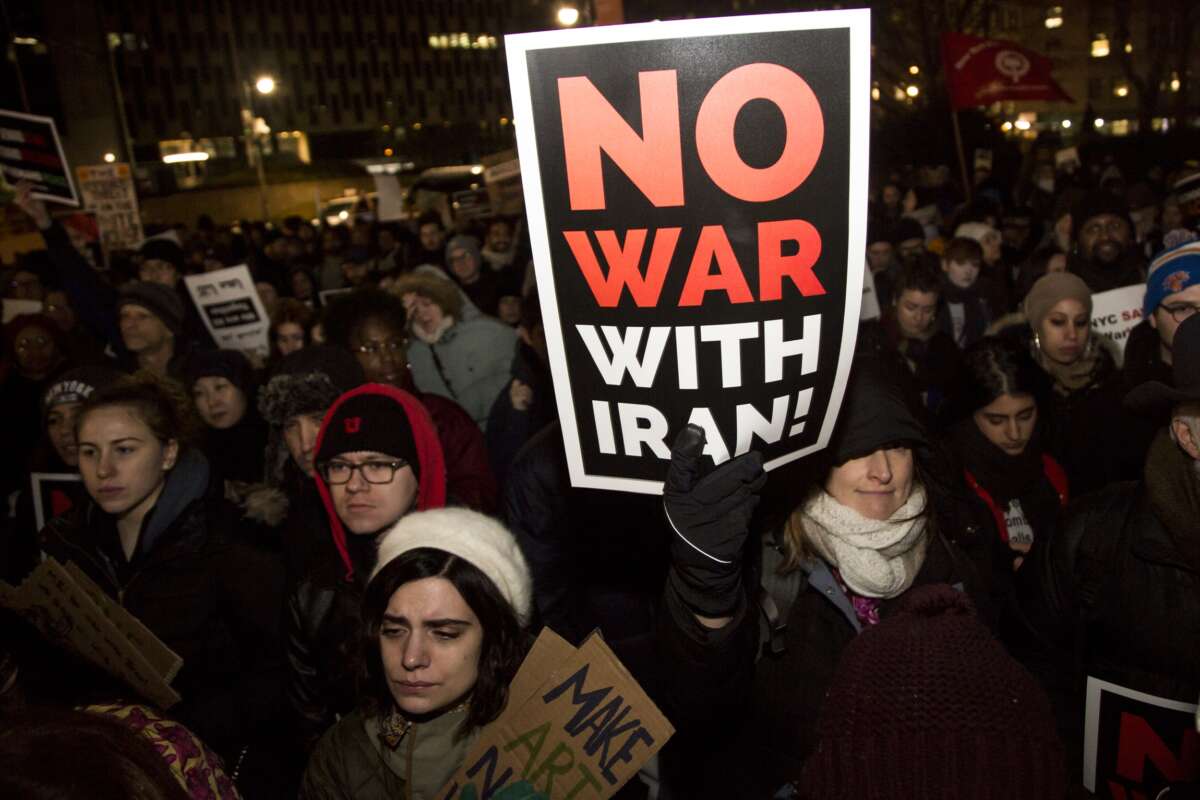
As protests against the war are planned for March 7, 2026, various organizations, including the ANSWER Coalition and the National Iranian American Council, are mobilizing demonstrations in multiple cities across the United States. Richard Becker, a coordinator for the ANSWER Coalition, described the decision to engage in military action as “a violation of the U.S. Constitution, and an immoral, illegal, horrendous act against a country.”
Becker emphasized the necessity for public intervention in the political process to hold the administration accountable and foster a lasting anti-war movement. “It’s going to take the intervention of the people in the political struggle and process to bring about real change,” he asserted.
As the political landscape continues to evolve, the implications of the Senate vote and the upcoming protests may play a significant role in shaping future military policy and public sentiment regarding U.S. involvement in conflicts abroad.