
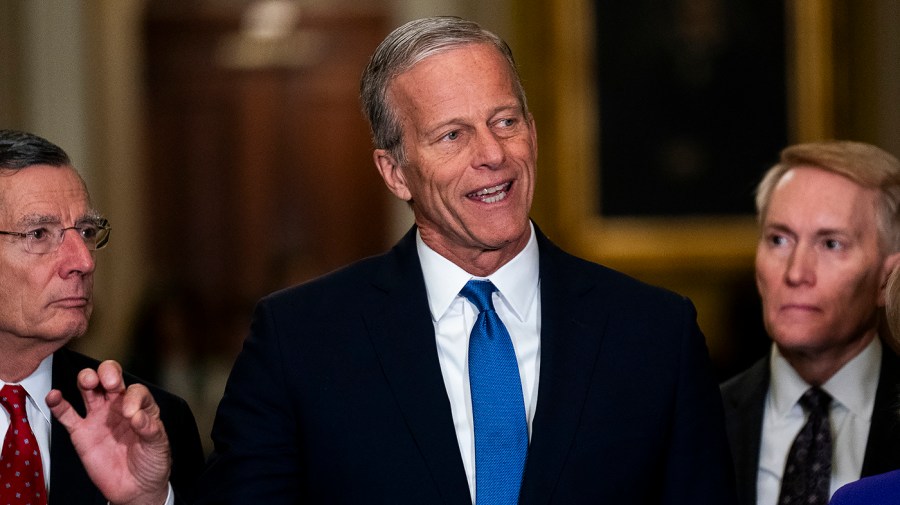
The United States Senate has taken a significant step towards completing essential government funding measures, clearing a final procedural hurdle on September 28, 2023. Lawmakers voted overwhelmingly to advance a package of three spending bills, known as a “minibus,” with a decisive vote tally of 85-14. This advancement is crucial as it ensures that half of the fiscal year 2026 funding measures are finalized just two weeks before the deadline to prevent a partial government shutdown.
The approved bills encompass funding for various critical sectors, including healthcare, education, and transportation. This action reflects the Senate’s commitment to maintain government operations and avoid disruptions that could impact millions of citizens. Senate Majority Leader Chuck Schumer emphasized the importance of this legislative progress, stating, “Completing these funding measures is essential for the smooth operation of our government and services that Americans rely on.”
In contrast, Senate Minority Leader Mitch McConnell expressed cautious optimism, highlighting the need for bipartisan cooperation in the legislative process. “We must continue to work together to ensure that we meet our responsibilities and fund the government adequately,” he noted.
The funding package must still be reconciled with the House of Representatives, where discussions will likely focus on differing priorities and budget allocations. With the September 30, 2023 deadline looming, lawmakers are under pressure to establish a consensus that will avert a government shutdown.
As negotiations continue, the outcome of this legislative effort will have widespread implications. A partial government shutdown could lead to furloughs for federal employees, disruptions in services, and delays in funding for essential programs. The Senate’s swift action is a clear indication of the urgency surrounding this issue, with both sides acknowledging the need for a cooperative approach to governance.
Looking ahead, the Senate will need to address funding for the remaining sectors by the end of the fiscal year. This will require ongoing dialogue and compromise among lawmakers to ensure that a comprehensive budget is passed. The stakes are high, as failure to reach an agreement could have serious consequences for the American public and the economy.
In conclusion, the Senate’s advancement of the funding bills marks a critical moment in the legislative calendar, underscoring the importance of timely and effective governance. As discussions move forward, all eyes will be on Congress to see how they navigate the challenges ahead in securing the financial resources necessary for the nation’s continued operation.