
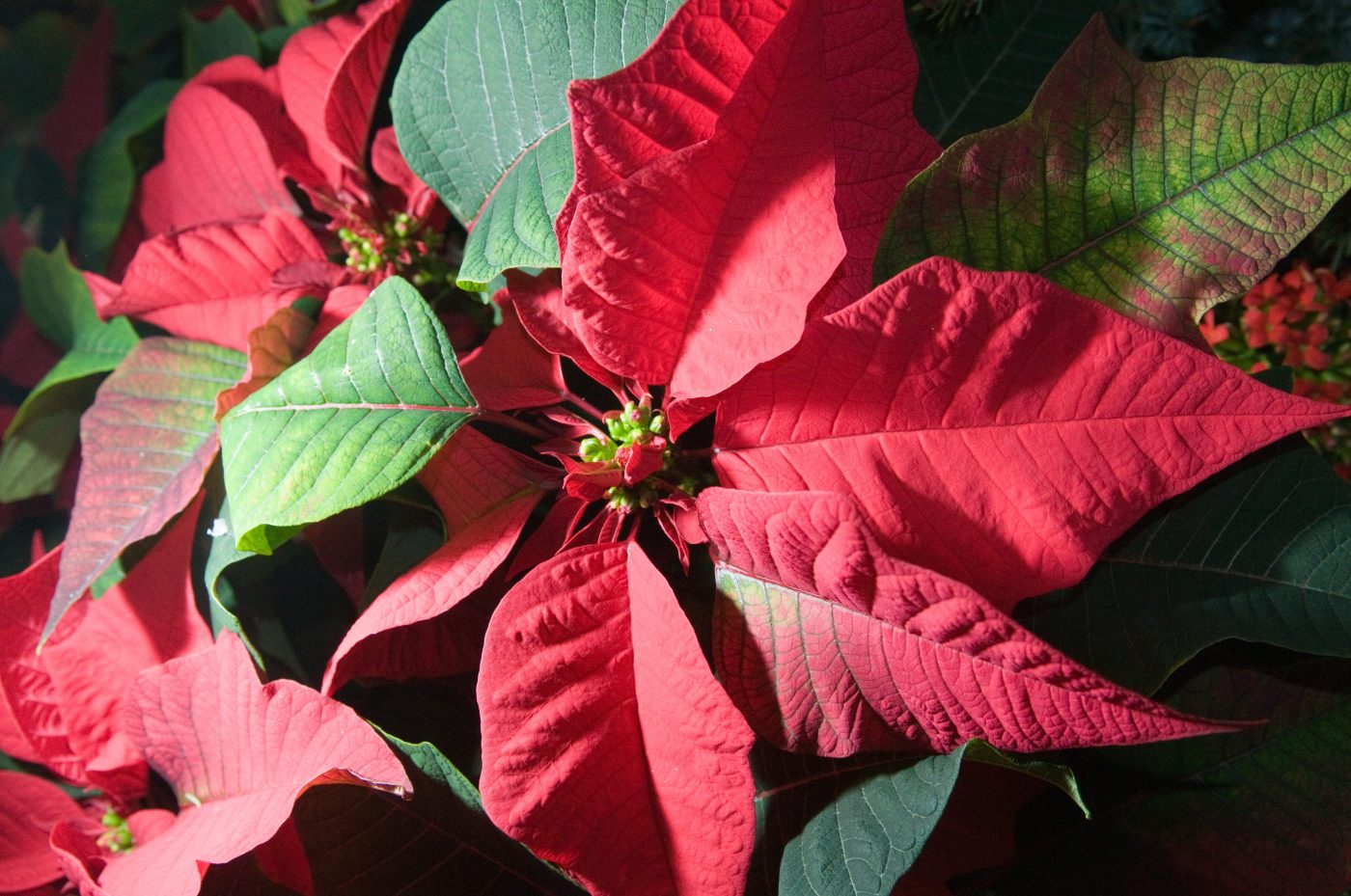
As the holiday season approaches, many individuals are looking to enhance their home décor with festive plants. Poinsettias, with their vibrant colors, are a popular choice. Selecting the right poinsettia and knowing how to care for it can ensure a beautiful display throughout the holidays and beyond.
Choosing a Healthy Poinsettia
When selecting a poinsettia, consider the variety that appeals to you most. Traditional red varieties are popular, but newer cultivars offer a range of colors, including pink, white, yellow, and even multicolored options. It is crucial to choose a healthy plant to ensure longevity.
Look for poinsettias with dark green foliage extending down to the top of the pot. Avoid plants with yellowed or fallen leaves, as these are signs of poor health. Ideally, the pot should not be visible from above, indicating robust growth. Those with pale green leaves may have been under-fertilized, while plants displayed too closely may have yellow or damaged lower leaves.
Be cautious of wilted plants, as this can indicate stress that shortens their display time. If the plants appear wilted but the growing medium is moist, root rot may be an issue. Additionally, inspect the undersides of leaves for insects that could harm the plant.
To ensure longevity, examine the flowers, which are located above the colored bracts. Fresh-looking green or red-tipped flowers will retain their color longer than those covered in yellow pollen.
Caring for Your Poinsettia
When transporting your poinsettia home, protect it from cold temperatures, especially if the outside temperature drops below 60 degrees Fahrenheit. A protective sleeve can shield the plant from chilling winds and also prevent damage during transport. Upon arriving home, promptly remove any protective coverings that could harm the plant if left on too long.
Poinsettias thrive in bright, indirect sunlight but are sensitive to extreme temperatures. Keep them away from drafts and heat sources, and avoid placing them near busy entrances where doors frequently open and close. Daytime temperatures around 65 degrees are ideal for prolonging the vibrant bracts.
Water your poinsettia thoroughly when the soil feels dry to the touch. If the pot is wrapped in foil or placed in a decorative container without drainage holes, remove it before watering to avoid standing water, which can lead to root rot. During the holiday season, there is no need to fertilize your poinsettia.
While poinsettias contain a milky sap that is mildly toxic to cats and dogs, the likelihood of serious harm is low. Pets would need to consume a significant amount of foliage to experience adverse effects, and the sap has an unpleasant taste that deters most animals. However, some individuals may experience mild skin irritation from contact with the sap.
For further assistance, the Plant Information Service at the Chicago Botanic Garden can provide expert advice. Reach them at [email protected].
In summary, choosing a healthy poinsettia and caring for it properly can contribute to a joyful and vibrant holiday atmosphere in your home.