
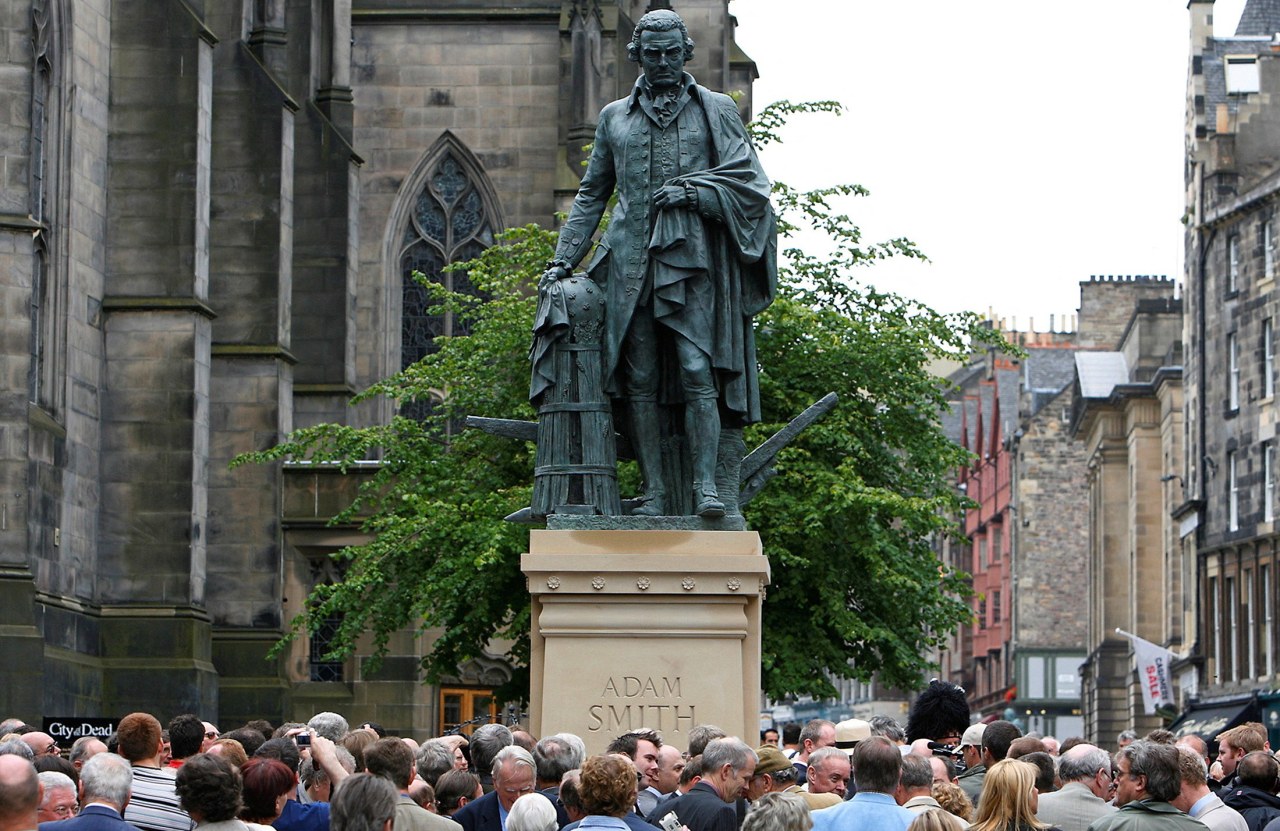
The discourse surrounding the revival of the Scottish Enlightenment has gained momentum, with prominent figures like Fraser Nelson responding to critiques from Barton Swaim and Allan Massie. This renewed interest in the intellectual movement that flourished in the 18th century has sparked conversations about its potential implications for contemporary society.
In a recent exchange, Nelson defended the idea that Scotland could be on the brink of a new intellectual renaissance. He highlighted the attributes that defined the original Scottish Enlightenment, which included rigorous debate, innovation in philosophy, and a commitment to reason. According to Nelson, these principles are not only relevant today but also urgently needed in a world characterized by polarization and misinformation.
The original Scottish Enlightenment produced influential figures such as David Hume and Adam Smith, whose ideas on economics and ethics continue to shape modern thought. Nelson argues that the modern equivalent of these thinkers is emerging, fueled by a blend of technology and a resurgence in philosophical inquiry. He posits that Scotland’s rich intellectual tradition could once again serve as a model for global thought leadership.
In response to Swaim’s and Massie’s critiques, Nelson acknowledged the challenges that come with reviving such a significant historical movement. He emphasized that while the context may have changed, the fundamental quest for knowledge and understanding remains constant. Nelson contends that fostering a culture of debate and inquiry is essential for addressing today’s complex issues.
The conversation underscores the broader implications of an intellectual revival. Nelson suggests that a new Scottish Enlightenment could inspire not only regional growth but also contribute to global discussions on ethics, governance, and social responsibility. He envisions a collaboration among scholars, policymakers, and the public that would leverage Scotland’s historical legacy to address contemporary challenges.
As discussions continue, the notion of a renewed Scottish Enlightenment resonates with those advocating for a return to the values of reason and inquiry. The potential for Scotland to lead in this intellectual resurgence invites further exploration and engagement from various sectors, including academia, government, and the public.
Ultimately, the revival of the Scottish Enlightenment hinges on the collective willingness to engage in meaningful discourse. As Nelson and others push for a return to these foundational principles, the world watches closely. The outcome of this intellectual movement could have far-reaching effects, not just within Scotland but across the global landscape.