
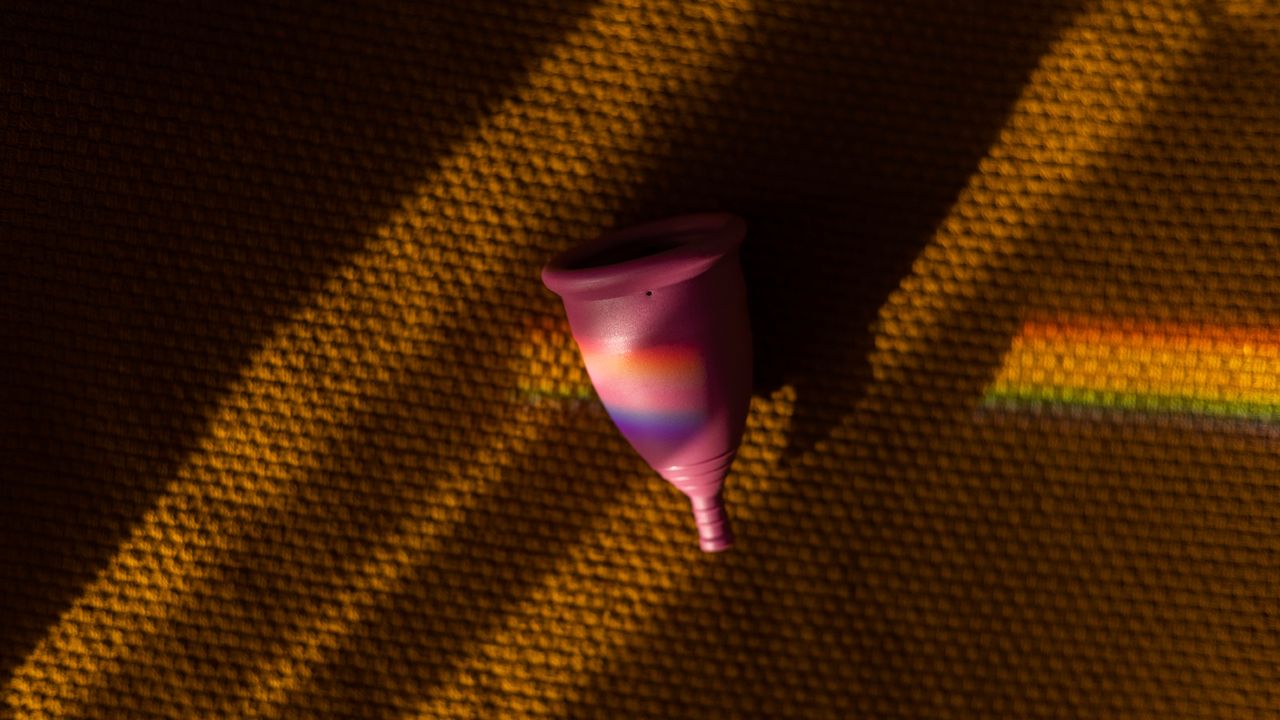
Researchers have successfully tested menstrual cups in space to explore their viability for future missions. The AstroCup project launched two menstrual cups made by the brand Lunette aboard an uncrewed rocket, reaching a height of 1.9 miles (3 kilometers) during a flight lasting approximately nine minutes. This experiment aimed to assess how well these reusable products withstand the stresses of space travel.
The menstrual cups were subjected to various conditions that could potentially damage their structure or influence liquid retention. Following the flight, leak tests using glycerol and water indicated that the cups remained intact, with no observable degradation. The findings were recently published in the journal NPJ Women’s Health on December 2, 2023.
Menstrual Cups as a Sustainable Solution
Menstrual cups are flexible, silicone-based containers designed to collect menstrual blood, and they have gained popularity as a sustainable alternative to disposable products like tampons and pads. Their reusability allows them to be used for years, significantly reducing waste associated with single-use items.
While many astronauts currently manage their menstrual cycles by using hormonal suppression to postpone menstruation, the ongoing exploration of space raises questions about the practicality of this approach. Not all astronauts may wish to suppress their cycles, and traditional recycling systems on spacecraft were not originally designed to handle menstrual blood. The AstroCup team posits that menstrual cups could offer a practical solution for menstrual management during long-duration space missions.
Future Research and Implications for Space Travel
Despite the positive results of the initial tests, the authors of the study acknowledged the need for further research. They aim to investigate how menstrual cups perform in reduced gravity conditions and during extended missions, particularly regarding the removal of the cup and its contents. The research team hopes to send various menstrual products to the International Space Station for comparative testing.
“Now we can start implementing and redefine health autonomy in space,” stated Lígia Coelho, lead researcher of AstroCup and a fellow at Cornell University.
Currently, astronauts have options for temporarily stopping their periods through hormonal contraceptives, which can alleviate the challenges of managing menstruation in space. However, not all individuals may be suitable candidates for hormonal suppression, and potential side effects, including impacts on bone density and blood clotting risks, warrant further investigation.
As humanity prepares for missions to the Moon and Mars, understanding and managing menstrual health will be crucial. The ability to provide various options for menstrual care will enhance the autonomy of female astronauts, allowing them to make choices aligned with their health and personal preferences.
The research findings highlight the importance of preparing for the diverse needs of future space travelers. As more women are likely to participate in extended missions, ensuring their health and comfort during menstruation will be paramount for successful exploration beyond Earth.