
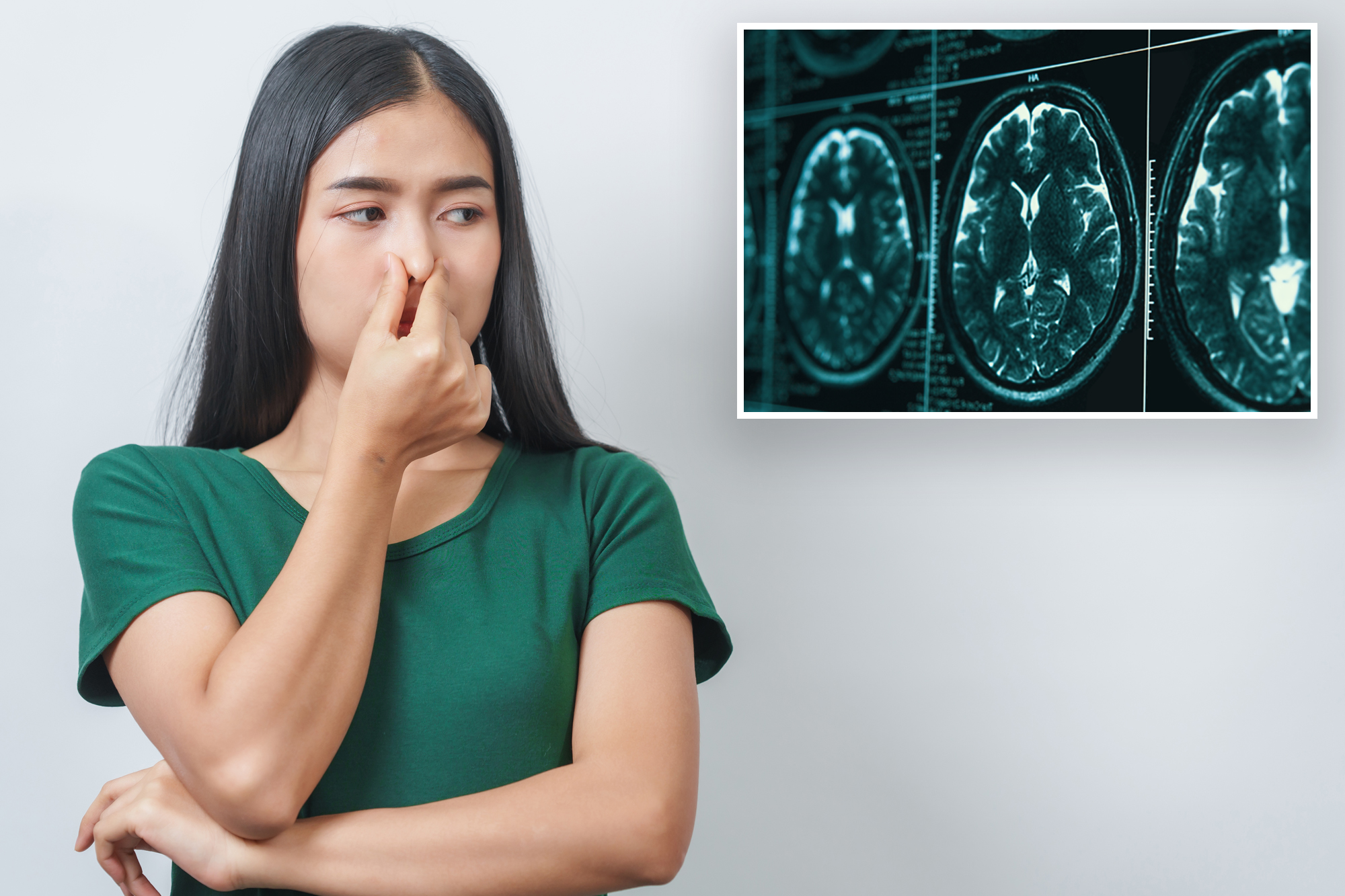
Researchers at Johns Hopkins Medicine have unveiled findings suggesting that hydrogen sulfide—a gas produced during digestion—may play a crucial role in protecting brain cells from cognitive decline associated with aging and Alzheimer’s disease. This study, published in The Proceedings of the National Academy of Sciences, indicates that this compound could lead to innovative treatments for the roughly 500,000 new Alzheimer’s cases diagnosed annually in the United States.
In their groundbreaking research, the team utilized genetically modified mice that replicate human Alzheimer’s disease. The researchers administered a compound known as NaGYY, which gradually releases hydrogen sulfide throughout the body. After a period of 12 weeks, the team observed significant improvements in both cognitive and motor functions in the treated mice, with enhancements reaching approximately 50% compared to those that did not receive the treatment.
Dr. Bindu Paul, an associate professor at Johns Hopkins and co-author of the study, emphasized the significance of these findings. “Our new data firmly link aging, neurodegeneration, and cell signaling using hydrogen sulfide and other gaseous molecules within the cell,” she stated. The implications of this research could pave the way for new drug developments aimed at combating Alzheimer’s disease.
The human body produces small amounts of hydrogen sulfide naturally, which helps regulate various bodily functions. An enzyme known as glycogen synthase beta is vital in managing these cellular processes. As individuals age, levels of hydrogen sulfide typically decline, leading to detrimental effects on brain health. According to earlier studies, when glycogen synthase beta is absent, hydrogen sulfide binds excessively to a protein called Tau. This process causes Tau to form clumps within neurons, hindering communication between nerve cells and ultimately resulting in cell death.
The findings suggest that restoring hydrogen sulfide levels could reverse some behavioral outcomes associated with Alzheimer’s disease. Mice treated with the hydrogen sulfide compound displayed improved physical activity and enhanced memory function. “The results showed that the behavioral outcomes of Alzheimer’s disease could be reversed by introducing hydrogen sulfide,” the research team concluded.
These promising results open new avenues for research into potential treatments that could mitigate the effects of Alzheimer’s. While further studies are necessary to determine the efficacy of hydrogen sulfide in human patients, the potential for developing new therapeutic drugs targeting this mechanism offers hope in the fight against a disease that impacts millions globally. The research highlights the importance of continued exploration into the biochemical processes that underlie neurodegenerative diseases and the potential for innovative interventions.