
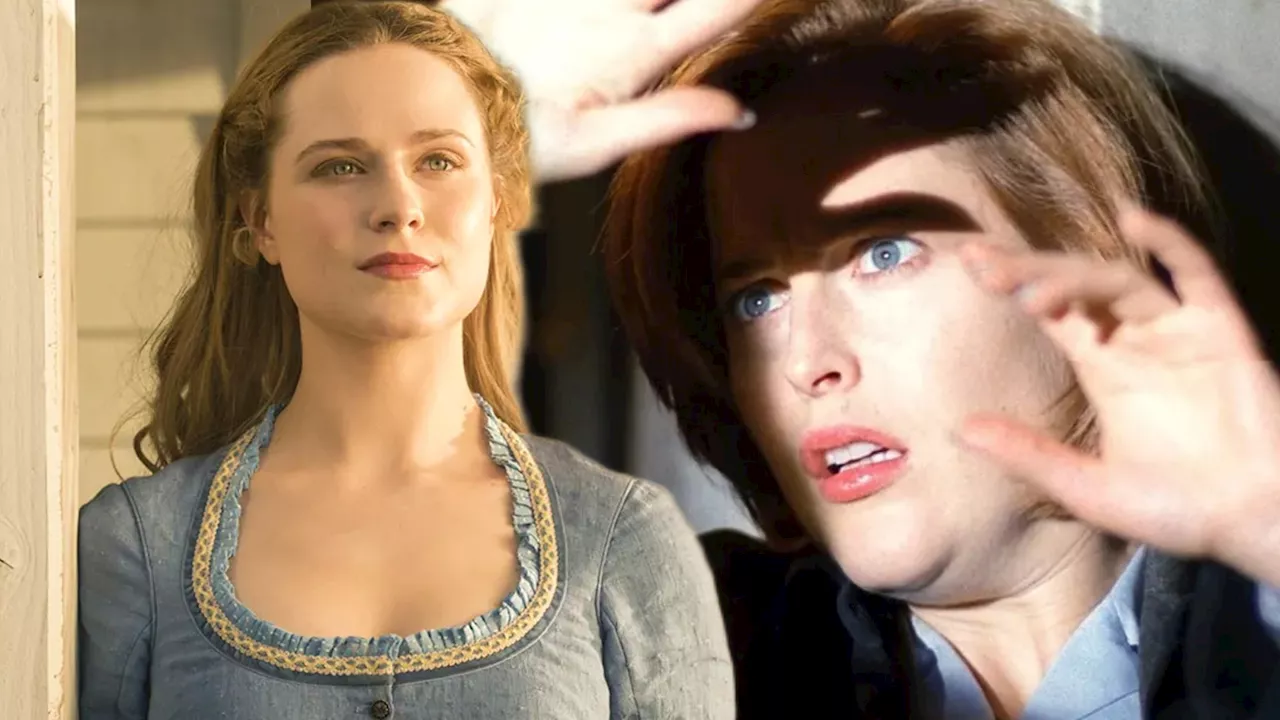
The science fiction television genre has produced numerous acclaimed series that have captivated audiences worldwide. However, many of these shows often struggle to maintain their initial momentum, leading to disappointing final seasons that undermine their legacies. This article examines the recurring challenges faced by sci-fi shows as they approach their conclusions, highlighting the impact of plot inconsistencies and character mishandling on viewer satisfaction.
Common Pitfalls in Final Seasons
Despite the genre’s potential for rich storytelling, numerous science fiction series have faltered at the finish line. Examples abound of shows that, while initially engaging, failed to deliver a satisfying resolution. One notable case features a show that delved into the complexities of artificial consciousness. Although its early seasons were praised for their philosophical depth, the final season veered into convoluted territory, losing the thoughtful narrative that had originally defined it.
Another series, set in a post-apocalyptic world and focusing on the struggles of various survivor communities, faced a similar fate. Despite a generally strong run, the concluding season felt rushed and disconnected from the show’s earlier strengths. The pressure to conclude the narrative led to a disjointed experience that disappointed fans who had invested emotionally in the characters and their journeys.
Even long-running series that significantly influenced the genre have suffered. One iconic show, celebrated in its earlier years, continued for too long, resulting in a decline in quality. By the eleventh season, it had lost the compelling storytelling elements that once made it a favorite, and the finale left viewers feeling unsatisfied.
Factors Contributing to Declining Quality
Several factors contribute to the decline in quality of final seasons in sci-fi television. Creative fatigue among writers and showrunners is a common issue, particularly in long-running series. The departure of key creative personnel can disrupt the consistency of storytelling and character development. Additionally, external pressures, such as studio demands, can lead to rushed conclusions that do not align with audience expectations.
The impact of industry events, like the Writers Guild strike, further complicates matters. For instance, one series saw a return to form in its third season after being affected by the strike, only to unravel again in its fourth and final season. The resolution felt forced, ultimately tarnishing the achievements of the previous seasons and leaving fans disillusioned.
The repercussions of these disappointing endings extend beyond individual shows. Audiences may become hesitant to invest in new series, fearing they will face similar letdowns. This trend emphasizes the importance of careful planning and a consistent creative vision for any long-running series.
As the sci-fi genre continues to evolve, the lessons learned from these missteps serve as reminders of the complexities involved in concluding a beloved series. To honor the legacy of earlier seasons, creators must navigate the delicate balance of providing a satisfying conclusion while maintaining narrative coherence. The challenge remains significant, but it is essential for preserving the integrity of the genre and the trust of its audience.