
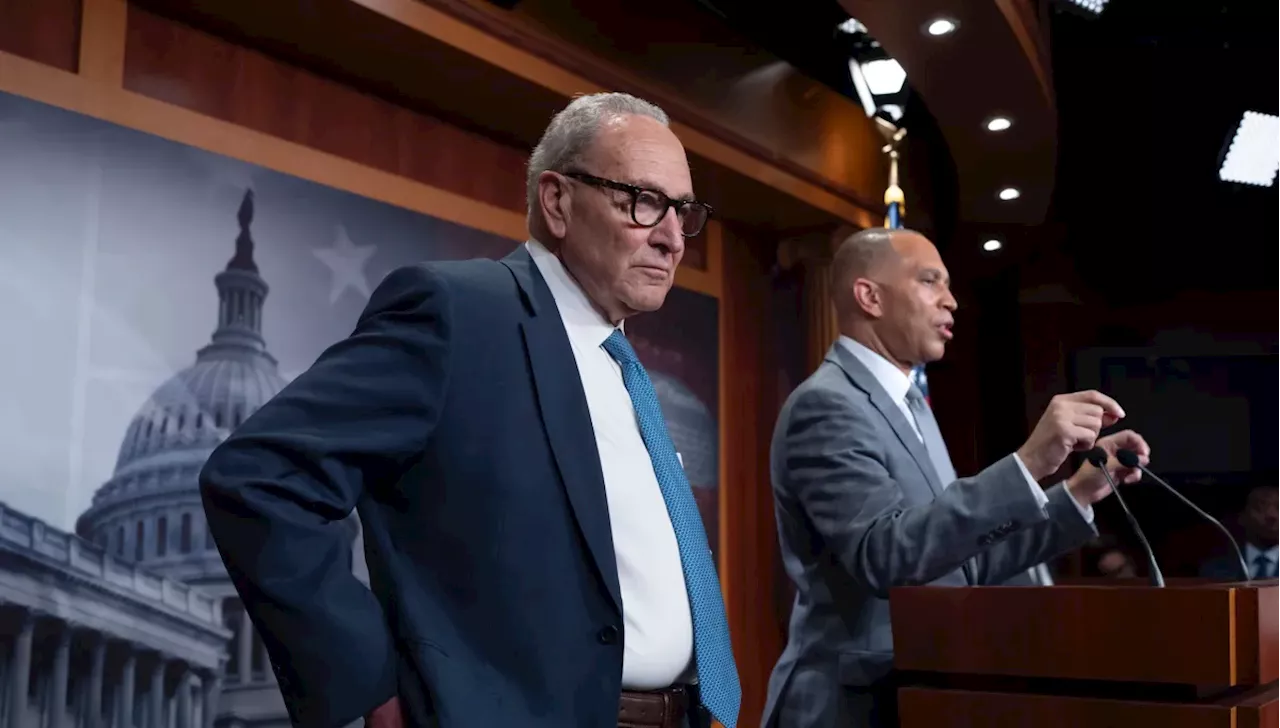
Senate Majority Leader Chuck Schumer has called on Republican lawmakers to reassess the Trump administration’s recent military actions in Venezuela, particularly following the arrest of President Nicolás Maduro. Schumer emphasized the importance of congressional oversight regarding military operations, questioning the legality of launching such actions without prior authorization from Congress.
Concerns About Military Operations
In remarks made to reporters, Schumer highlighted that several Republican committee chairs have privately expressed apprehension about the implications of the military operation. “Maduro is an illegitimate dictator, but launching military action without congressional authorization and without a credible plan is reckless,” he stated. Schumer, alongside Senator Rand Paul and other lawmakers, introduced a resolution aimed at curbing the administration’s military powers, which he promised to bring to the Senate floor for debate next week.
Schumer noted that he has been in discussions with Democratic leaders and ranking members of relevant committees to develop a unified response to the administration’s actions against Maduro. “You’ll be hearing more from them in the coming days,” he said, stressing the need for Congress to be involved in decisions that could lead to further military engagement.
The Senate leader underscored that Congress should not be sidelined while the administration pursues what he described as a “nation-building quagmire.” He reiterated the importance of transparency and accountability in military decisions, as Congress was not informed of the operation until after it had occurred. “It’s been sort of a dark screen,” Schumer remarked, highlighting the lack of communication from the White House.
Calls for Briefings and Accountability
In response to the operation, the bipartisan leadership known as the “Gang of Eight” has requested a briefing from the White House to discuss the objectives and strategies behind the military action. Schumer criticized the administration for its secretive approach, arguing that such actions undermine the limitations on executive power established by the War Powers Act of 1973. He stated, “One of the reasons we have hearings and discussions with Congress is to ensure debate before momentous actions occur.”
Some Republican lawmakers have also expressed concerns regarding the potential ramifications of the operation. For instance, Senator John Thune noted that he anticipates further briefings on how the military operation fits into the administration’s counternarcotics strategy.
Representative Don Bacon highlighted the broader implications, warning that Russia or China might exploit the situation to justify their military ambitions. “Freedom and rule of law were defended last night, but dictators will try to exploit this to rationalize their selfish objectives,” he stated.
The Trump administration has defended its actions by invoking Article II of the Constitution, arguing that the military operation was a law enforcement effort aimed at arresting Maduro on charges of narco-terrorism, rather than a declaration of war against Venezuela. The Justice Department unsealed an indictment against Maduro shortly before the operation, echoing similar charges filed in 2020.
Senator Tom Cotton, chair of the Senate Intelligence Committee, defended the lack of prior notification to Congress, stating that such notifications are not standard practice during law enforcement operations. “Congress isn’t notified when the FBI is going to arrest a drug trafficker or cyber criminal here in the United States,” he remarked on a recent news program.
As the debate unfolds, Schumer has refrained from suggesting that the administration’s actions could serve as grounds for impeachment should Democrats regain control of Congress. Instead, he expressed hope for bipartisan support to prevent further escalation. The situation in Venezuela remains fluid, and the coming days are likely to see intensified discussions in the Senate regarding the administration’s military strategy.