
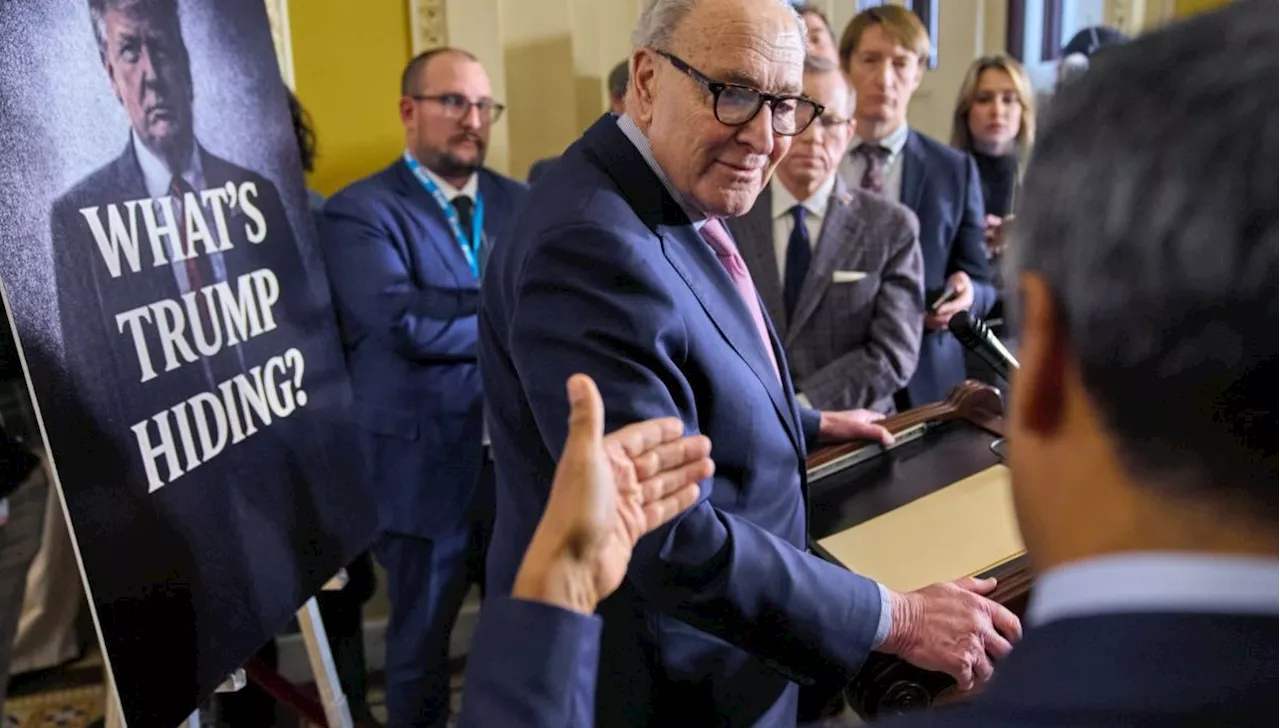
Senate Minority Leader Chuck Schumer announced plans for a crucial vote on military authorization regarding Venezuela, stating it will take place this week. This decision follows the recent capture of former Venezuelan President Nicolas Maduro by the U.S. military, which has drawn significant attention and debate over foreign intervention and its implications.
During an appearance on ABC News, Schumer described Maduro as a “horrible person,” but emphasized that responding to “lawlessness” with further “lawlessness” is not the solution. He criticized the tactics of the Trump administration, arguing that they have exacerbated the situation rather than helping it.
The proposed resolution, co-sponsored by Tim Kaine, Rand Paul, and Schumer, is designed to limit presidential military authority in Venezuela. Schumer noted, “That’s a privileged resolution, which means the Republicans can’t block it. It’s going to come to the floor this week, and if it is voted for in both Houses, then the president can’t do another thing in Venezuela without the OK of Congress.”
Schumer also expressed skepticism about the viability of conducting new elections in Venezuela at this time, asserting that the current regime has been entrenched for 15 years. Instead, he indicated that the focus should be on addressing the issues created by Maduro’s leadership.
Critics of the Trump administration’s actions in Venezuela, including several Republican committee chairs, have raised concerns about the military operation. This division has led to a broader debate among Senate candidates, particularly in Texas, where opinions are sharply divided. Republicans tend to praise the military action as decisive, while Democrats label it reckless and a violation of legal frameworks.
As tensions continue to unfold in Venezuela, the implications of the Senate vote will likely resonate not only within U.S. politics but also have broader international ramifications. Schumer’s call for Congressional oversight reflects ongoing concerns about the balance of power regarding military interventions and foreign policy decisions.