
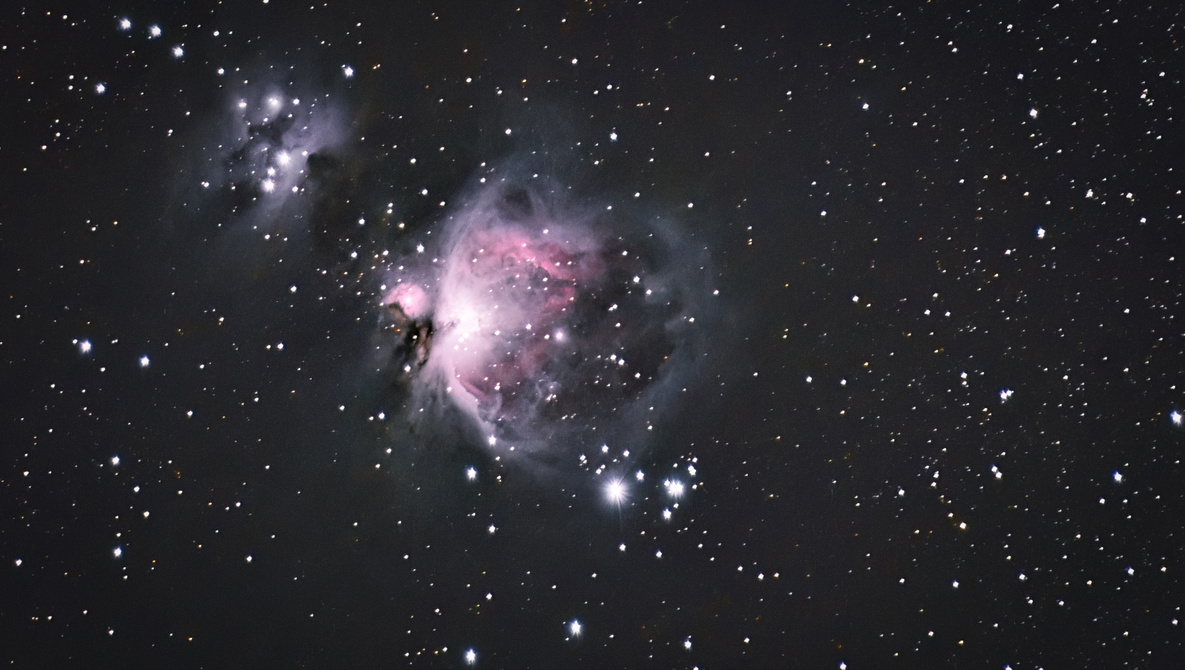
Astrophotography, while celebrated for its breathtaking visuals of the cosmos, often comes with a hefty price tag. Enthusiasts can find themselves spending substantial amounts on specialized equipment, from high-end cameras to intricate mounts. With costs easily spiraling, many hobbyists look for ways to sustain their passion without breaking the bank. Fortunately, there are effective strategies to minimize expenses while still capturing stunning celestial imagery.
Cost-Effective Approaches to Astrophotography
The world of astrophotography is often dominated by discussions about camera modifications. A prevalent topic is whether to remove a camera’s stock infrared-cut filter. Making this modification can enhance sensitivity to deep-red hydrogen-alpha (Hα) light, allowing for improved capture of certain nebulae. However, many modern DSLR and mirrorless cameras already possess adequate sensitivity for general astrophotography. In fact, the real challenge often lies in the post-processing stage, rather than the camera hardware itself.
Overzealous post-processing or reliance on auto white balance can diminish the visibility of red emissions in images. A modified camera may inadvertently push images too far into the red spectrum, obscuring the beautiful color diversity of targets like the Andromeda Galaxy. This can lead to results that resemble a “giant red cotton ball,” rather than showcasing the intricate hues present in the cosmos.
For those seeking to dive into astrophotography without investing in a telescope and mount, there are viable alternatives. Renting time on remote telescopes is becoming increasingly popular. This option allows photographers to capture deep-sky objects from premium dark-sky locations, such as Chile, without the burden of maintenance or light pollution concerns.
Numerous platforms offer access to remote-controlled telescopes situated in the U.S., Spain, and Australia. These services enable users to schedule imaging sessions, select targets, set exposure parameters, and download their data post-session. Notable observatories in Texas also provide opportunities to host personal telescopes remotely or utilize their preset setups. Such flexibility allows aspiring astrophotographers to access world-class skies without the need for physical travel or significant financial investment.
Building Your Astrophotography Setup
While renting remote telescopes is a practical solution, nothing quite matches the satisfaction of owning a personal setup. Beginners can start small by mounting a DSLR on a star tracker and using a standard telescopic zoom lens. This straightforward arrangement can yield impressive results, and the entire kit is portable enough to fit in a backpack, making it easy to reach remote dark-sky locations.
Star trackers are essential for compensating for the Earth’s rotation, allowing for longer exposure times without star trails. Combining this with a modest DSLR and lens can result in captivating deep-sky images. This approach is particularly suited for newcomers who wish to explore astrophotography without overwhelming financial commitments.
Astrophotography, though often perceived as an expensive hobby, is ultimately fueled by curiosity and patience rather than the price tag on equipment. Many successful photographers, including international award-winning astrophotographer Prashant Naik, demonstrate that captivating images can be captured with minimal gear. Naik’s work, featured in renowned publications like The Guardian and BBC Sky at Night, showcases the beauty of the night sky without excessive expenditure.
In summary, while the allure of complex and expensive gear is strong, aspiring astrophotographers can find joy in simplifying their setups. By starting small, utilizing remote services, and focusing on technique, anyone can embark on a rewarding journey in astrophotography without depleting their finances. Whether through personal exploration or remote assistance, the cosmos offers a wealth of opportunities for those willing to look up and capture the stars.