
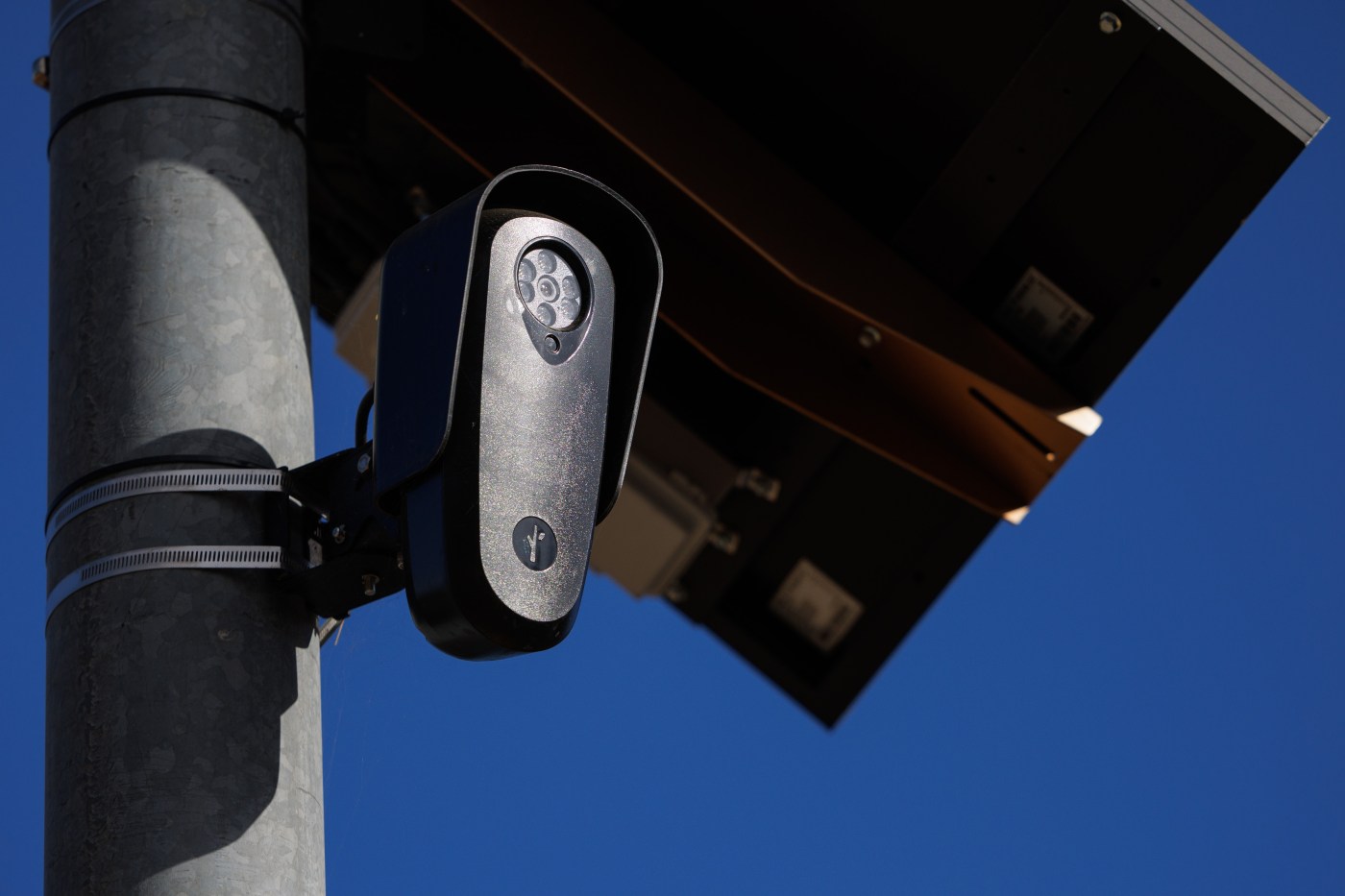
UPDATE: San Jose Police Department is implementing significant changes to its license-plate reader (LPR) policies in response to growing public concern over surveillance practices. The decision, announced by Chief Paul Joseph, aims to enhance privacy protections as the debate surrounding surveillance technology intensifies across the Bay Area.
In a policy memo released on October 10, 2023, Chief Joseph proposed a drastic reduction in data retention from one year to just 30 days. The memo, which will be presented to the City Council on March 10, 2024, also seeks to prohibit LPRs from capturing data at sensitive locations such as houses of worship and reproductive health clinics.
This move comes amid mounting scrutiny and criticism from civil rights advocates, including the ACLU and the Electronic Frontier Foundation. These organizations argue that the current unrestricted data access leads to potential violations of privacy rights, particularly concerning immigration enforcement.
In an urgent effort to quell concerns, Chief Joseph emphasized that the revisions are intended to maintain the effectiveness of the city’s 474 automatic license-plate reader cameras while addressing legitimate privacy issues. “We have to have the tools available to law enforcement to be as effective as possible, while acknowledging privacy concerns,” he stated in a recent interview.
The updated policy will enhance the vetting process for outside agencies seeking access to LPR data, requiring detailed justification for requests. New safeguards will prevent data from being shared with federal immigration authorities, a point underscored by the recent disabling of the “Federal Sharing” setting in the police software portal.
This administrative shift follows significant backlash against surveillance technologies, with various Bay Area cities reevaluating their use of LPRs. For instance, the Mountain View City Council voted to terminate its contract with Flock Systems, a major vendor of LPR technology, after audits revealed unauthorized access by federal agencies.
Santa Clara County supervisors have also moved to restrict their sheriff’s office from accessing data from Flock cameras, while Santa Cruz officials ceased using LPRs altogether due to similar concerns. In contrast, Oakland recently approved a new contract worth $2.25 million for Flock, highlighting the divided opinions on the issue.
San Jose’s LPR cameras have garnered praise from officials for their role in solving crimes, particularly homicides. Chief Joseph pointed to recent high-profile arrests facilitated by the LPR system, reinforcing its value as a crime-fighting tool. “These cameras are the linchpin of everything we’re trying to do with technology here at San Jose PD,” he affirmed.
As the debate over surveillance technology continues, the San Jose Police Department’s proposed changes represent a critical step in addressing community concerns while maintaining law enforcement capabilities. The upcoming City Council meeting on March 10 will be pivotal in determining the future of these policies and their alignment with public sentiment.
This is a developing story. Stay tuned for further updates as the situation unfolds.