
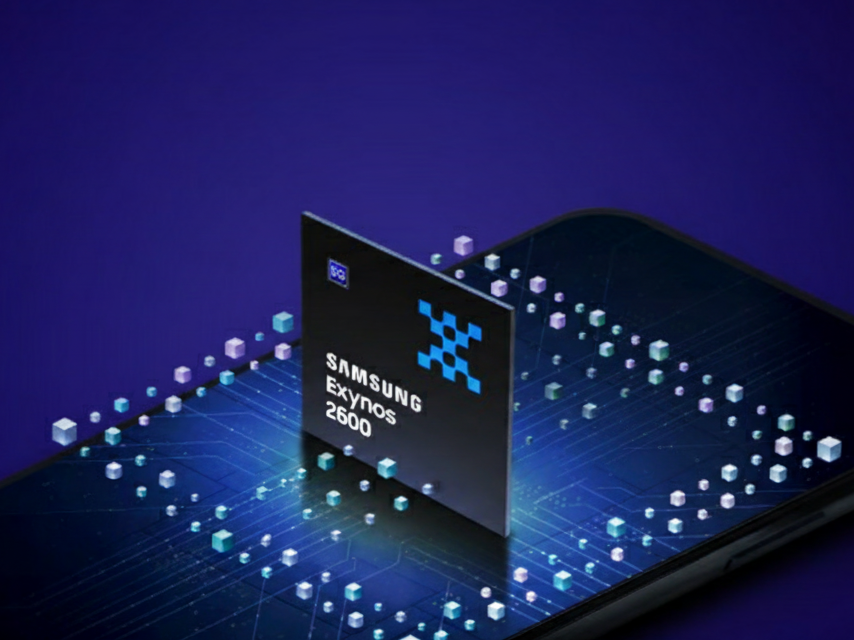
The upcoming Galaxy S26 series from Samsung may feature its Exynos 2600 processor exclusively in South Korea, according to a recent report from Digitimes. This decision appears to stem from ongoing challenges related to manufacturing yields and existing contractual obligations with Qualcomm.
Reports indicate that Samsung’s struggle to achieve high production rates for the Exynos 2600 could limit its availability outside of its home market. The company has historically relied on Qualcomm’s Snapdragon processors for its flagship devices in international markets. This latest development suggests a significant shift in Samsung’s strategy, potentially impacting the global perception of its flagship Galaxy S series.
Manufacturing Challenges and Strategic Decisions
The low yield rates associated with the Exynos 2600 have raised concerns within Samsung. Manufacturing complexities may hinder the company’s ability to deliver enough units for a broader rollout. In light of these issues, Samsung appears focused on prioritizing its domestic market, where it can better manage supply and demand dynamics.
Samsung’s relationship with Qualcomm adds another layer of complexity. The company has existing contracts that may require it to utilize Qualcomm’s chips in various regions outside South Korea. This contractual obligation could restrict Samsung’s flexibility in deploying the Exynos 2600 globally, making it challenging for the firm to compete effectively in international markets.
Implications for Consumers and Market Dynamics
For consumers, the decision to limit the Exynos 2600 to South Korea means that users in other regions may still rely on Qualcomm’s offerings for their Galaxy S26 devices. This could lead to varied experiences based on the processor used, as Qualcomm’s chips often have different performance benchmarks compared to Samsung’s in-house processors.
The potential exclusivity of the Exynos 2600 could also influence Samsung’s competitive positioning in the smartphone market. As the company navigates these challenges, it will need to ensure that its product offerings meet the high expectations of global consumers.
In summary, Samsung’s decision regarding the Exynos 2600 in the Galaxy S26 series highlights the complexities of modern technology manufacturing and the intricate relationships between major players in the industry. As the situation develops, further updates may provide clarity on how Samsung will address these manufacturing and contractual challenges.