
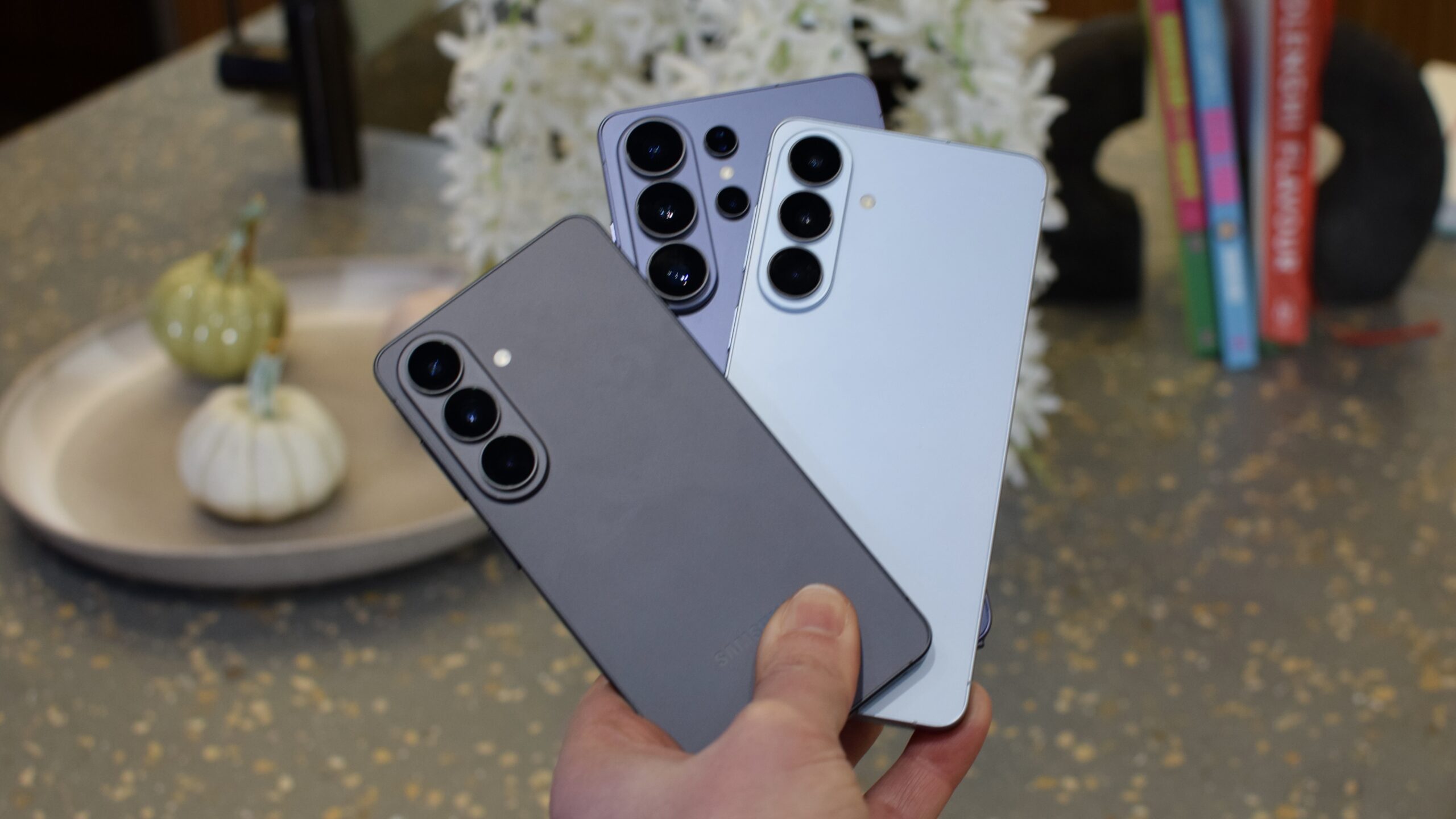
UPDATE: The highly anticipated Samsung Galaxy S26 series has officially launched, but it arrives with notable absences that may disappoint tech enthusiasts. As of today, October 25, 2023, users are questioning whether the new features justify the upgrade.
After months of speculation and leaks, the Samsung Galaxy S26 lineup offers only incremental updates, with many expected features missing. The Galaxy S26 Ultra stands out with its new Privacy Display, but critics highlight five significant features that are conspicuously absent.
1. Silicon-Carbon Batteries
Unlike competitors like the OnePlus 15 and Xiaomi 17 Ultra, which boast silicon-carbon battery technology for improved capacity, the Galaxy S26 models remain limited to a 5,000mAh battery. This capacity trails behind rival offerings that are now reaching up to 9,000mAh. Samsung has indicated future plans to adopt this technology, but for now, users are left wanting.
2. Built-in Magnets for Accessories
Rumors swirled about the inclusion of built-in magnets for easy accessory attachment, akin to Apple’s MagSafe system. Unfortunately, Samsung has opted for cases with built-in magnets instead. Users without these cases will miss out on the convenience offered by magnetic chargers, a feature that competitors are already implementing.
3. Powered-off Find Hub Tracking
Another notable omission is the powered-off tracking capability found in Google’s Pixel phones. This feature allows users to locate their devices even when turned off, but Samsung’s solution only tracks devices that are powered on, limiting functionality under certain circumstances.
4. Orange Colorway
In a time when vibrant colors are trending in tech, the Galaxy S26 series disappoints with its color options—Black, White, Sky Blue, and Cobalt Violet. There were hopes for a striking orange variant, similar to Apple’s iPhone 17 Pro, but those have not materialized, leaving consumers craving unique aesthetics.
5. High-Power Charging
While the Galaxy S26 Plus and Ultra have made strides in charging capabilities with 25W wireless and 60W wired charging, the standard Galaxy S26 remains stagnant at 25W for wired and 15W for wireless. This is significantly lower than competitors like the OnePlus 15, which supports 120W wired charging, highlighting a critical gap in Samsung’s offering.
As of now, the Samsung Galaxy S26 series appears to be a cautious evolution rather than a groundbreaking revolution. While fans may appreciate the incremental improvements, many are left with unmet expectations regarding essential features.
Next, tech enthusiasts are eager to see how these devices perform in real-world scenarios and whether Samsung can address these shortcomings in future models. The reaction from consumers will be crucial as they weigh their options against a competitive market that continues to innovate rapidly.
Stay tuned for further updates and in-depth reviews as we continue to monitor the impact of the Galaxy S26 launch. Don’t forget to follow our updates on social media for the latest tech news!