
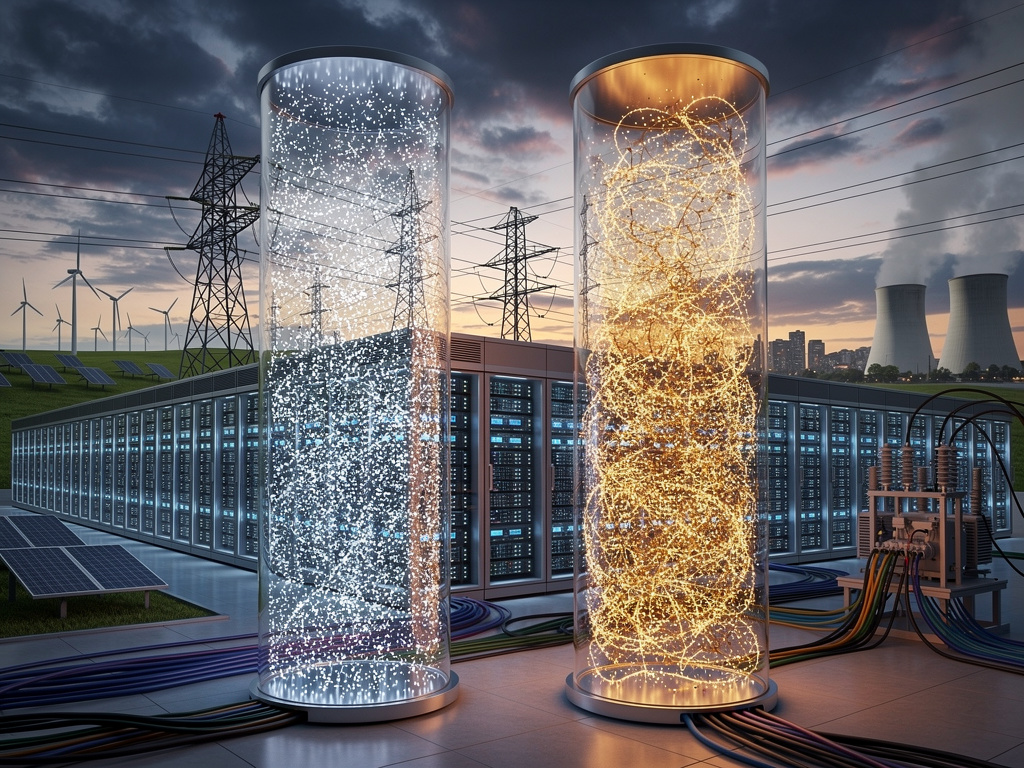
OpenAI’s CEO, Sam Altman, has publicly defended the energy consumption associated with artificial intelligence, arguing that it should be viewed in the context of human energy usage. During a recent event, Altman asserted that the energy demands of AI systems are not disproportionate when compared to the energy expended by humans in their daily lives. His remarks highlight the growing scrutiny surrounding the energy consumption of AI technologies as the industry expands rapidly.
Altman’s comments come as OpenAI and other tech giants, including Microsoft and Google DeepMind, are significantly increasing their AI infrastructure. With the International Energy Agency projecting that global data center electricity consumption could exceed 1,000 terawatt-hours annually by 2030, Altman’s framing seeks to reposition the conversation about AI’s energy needs. He contends that the energy used by AI systems should be compared to the cumulative energy footprint of human workers whose tasks are increasingly automated.
Reassessing Energy Consumption
Altman contends that humans consume energy for a multitude of needs, including food, transportation, and housing. He posits that when AI automates tasks previously performed by humans, the energy implications are not as one-sided as critics suggest. He argues that the energy used by data centers running AI models should be seen as a replacement for the energy previously consumed by the human laborers. This perspective aims to provide a new narrative amid growing concerns regarding the sustainability of advanced AI systems.
The AI industry’s rapid growth has prompted urgent discussions about its energy demands. Microsoft has committed substantial investments to expand data center capabilities, and projects like the Stargate initiative, announced by President Trump in January 2025, highlight the scale of investment in AI infrastructure, which is expected to reach $500 billion over the next four years.
Local power grids in states such as Virginia and Texas are already under pressure due to these demands, leading to warnings from utility companies about the feasibility of meeting new energy requests. Critics have raised concerns that residential consumers might end up subsidizing the energy needs of large tech companies, complicating the narrative Altman seeks to establish.
The Controversy Surrounding AI’s Energy Use
The comparison of AI energy consumption to human energy usage has not gone unchallenged. Environmental groups, including the Sierra Club, argue that the AI sector’s energy growth coincides with a critical need for the United States to reduce its overall electricity consumption. While OpenAI has pledged to pursue carbon neutrality and clean energy, the pace of new data center construction is outstripping the growth of renewable energy sources in many areas.
Researcher Sasha Luccioni from Hugging Face has called for increased scrutiny of the industry’s energy claims, emphasizing the lack of transparency regarding the actual energy consumption of AI models. Without robust data, it is challenging to verify the claims made by industry leaders like Altman.
Altman’s remarks are not merely about energy use; they also carry significant political implications. The AI industry is actively lobbying for favorable energy policies, seeking expedited permitting for new power generation and access to nuclear energy. By framing AI’s energy needs as a subsumption of human energy demands, Altman aims to garner support for the tech sector’s resource requirements, aligning them with essential industries.
As the industry moves forward, the debate over AI’s energy consumption and its environmental impact will likely intensify. The relationship between artificial intelligence and energy resources poses critical questions about the future of technology and its implications for society. If AI continues to be perceived as an environmental threat, it could provoke a significant political backlash that may reshape the landscape of AI development and regulation.
The ongoing discourse, as highlighted by Altman’s statements, ensures that the conversation surrounding AI’s energy consumption remains a focal point as the industry undergoes unprecedented growth. The outcomes of this debate will depend on how effectively the sector addresses its energy demands and how these demands align with broader environmental goals.