
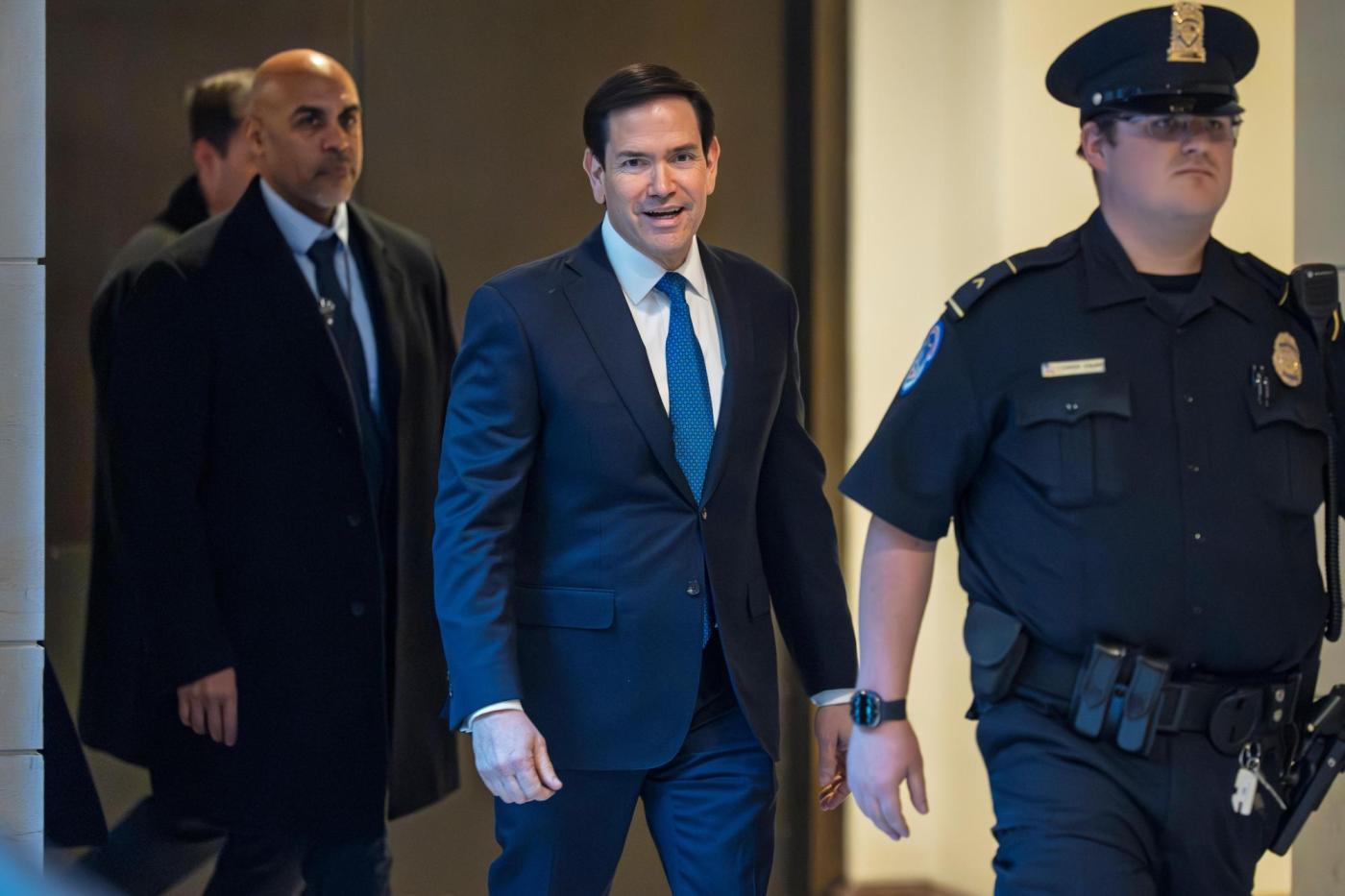
UPDATE: In a surprising move, Secretary of State Marco Rubio has ordered all diplomatic correspondence to cease using the Calibri font, mandating an immediate return to Times New Roman effective Wednesday. This decision reverses a previous shift by the Biden administration aimed at modernizing U.S. government documents, which Rubio has labeled as “wasteful” and “confusing.”
The directive, sent to U.S. embassies and consulates on Tuesday, cites that the 2023 adoption of the sans serif font stemmed from “misguided diversity, equity, and inclusion” policies initiated by former Secretary of State Antony Blinken. Rubio criticized the change, stating that it undermined the professionalism and dignity expected in official government documents.
According to the cable obtained by the Associated Press, the transition to Calibri was intended to improve accessibility for individuals with disabilities. However, Rubio claims it has failed to achieve that goal, costing the State Department nearly $145,000 without providing any supporting evidence for its efficacy.
Rubio’s sweeping changes at the State Department since taking office in January 2023 are part of a broader initiative to dismantle programs related to DEI—diversity, equity, and inclusion—aligning with the previous Trump administration’s focus on merit-based standards.
In his cable, Rubio stated, “Although switching to Calibri was not among the department’s most illegal, immoral, radical or wasteful instances of DEI, it was nonetheless cosmetic.” He emphasized that the font switch only degraded the department’s correspondence and clashed with the official State Department letterhead.
The memo further outlined that all official document templates must be updated to reflect the return to Times New Roman. The only exceptions to this mandate are documents prepared for international treaties and presidential appointments, which are required to use Courier New 12-point font.
As the State Department implements these changes, officials and diplomats will need to adjust to the revised standards. This rapid shift underscores the ongoing tensions around DEI initiatives within government agencies, raising questions about their future in U.S. diplomacy.
WHAT’S NEXT: The immediate impact of this decision will be observed within diplomatic circles, particularly as embassies adjust their correspondence practices. Observers will be monitoring how these changes are received by both domestic and international stakeholders, especially in the context of broader discussions on inclusivity and accessibility within government operations.
Stay tuned for further updates on this developing story.